
24/7 Customer Support

Free returns

Same-day & Next-day Delivery

Quality Guaranteed

Unlock Your Welcome Offers: FREE Delivery | Up to 80% OFF | Free 30-day JoyPlus trial
Download the APP
A kitchen knife set can look like an easy way to equip a new home, refresh a busy kitchen or prepare ingredients more efficiently. However, a large block of knives is not automatically practical. Some sets include several tools that rarely leave the drawer, while others use vague descriptions such as “razor sharp” without explaining the steel, edge or maintenance requirements.
Before buying, UK shoppers should look beyond appearance and promotional wording. The right choice depends on how you cook, the ingredients you prepare and how much cleaning and sharpening you are willing to do.
A household knife set may contain five or more pieces, but that does not mean every knife suits your routine. A fruit knife, chef knife and slicing knife can be more useful than several similar-looking blades. Consider whether you genuinely need a chef knife, a paring knife, a slicing knife or a heavier Chinese cleaver.
For many kitchens, one well-balanced multipurpose kitchen knife handles everyday chopping, dicing, mincing and slicing. A larger set can make sense when several people cook or when you want dedicated knives for bread, fruit and meat preparation.
A stainless steel kitchen knife generally offers useful resistance to rust and corrosion, but stainless does not mean stain-proof or maintenance-free. Food acids, moisture and dishwasher detergents can still affect the blade or handle over time.
Check the care instructions before buying. Some knives are dishwasher safe, while others should be hand washed and dried immediately. The COOKER KING hand-forged slicing knife, for example, is listed as hand wash only and should be stored in a knife block or on a magnetic strip.
A very sharp edge is useful, but balance, handle grip and blade thickness also affect control. A knife that feels too heavy may be tiring during meal preparation, while a very light blade may not provide enough weight for tougher ingredients.
Do not use a kitchen knife for prying, twisting or cutting materials it was not designed for. Bone-cutting knives and heavy kitchen cleavers are intended for more demanding preparation, but their size and weight require a stable chopping board and careful handling.
Product descriptions may mention stainless steel, high-carbon steel or a named steel grade. These terms can indicate different priorities:
Where a hardness figure is provided, treat it as one specification rather than a guarantee of lifespan. The COOKER KING Japanese Kitchen Knife lists 7Cr17MoV steel and 58±2 HRC hardness, alongside a 15° double-bevel edge.
A chef knife is a flexible all-rounder for vegetables, herbs, meat and fruit. A Chinese cleaver has a wide blade that can be useful for chopping and transferring prepared ingredients, but not every cleaver is designed for bones.
A kitchen cleaver with a thicker blade is more suitable for heavier chopping. A slicing knife normally has a narrower profile for cleaner cuts through meat or other soft ingredients. If you often prepare stir-fries, vegetables and boneless meat, a multipurpose Santoku-style blade may provide a manageable alternative to a larger cleaver.
Blade length affects control and working space. A 190 mm cleaver gives more cutting surface than a compact 170 g knife, but it may feel less nimble for smaller boards or detailed preparation.
Look for:
A kitchen knife sharpener can help maintain an edge, but check whether the sharpener matches the blade style. Ceramic blades and thinner Japanese kitchen knife profiles may require different care from a conventional stainless steel chef knife.
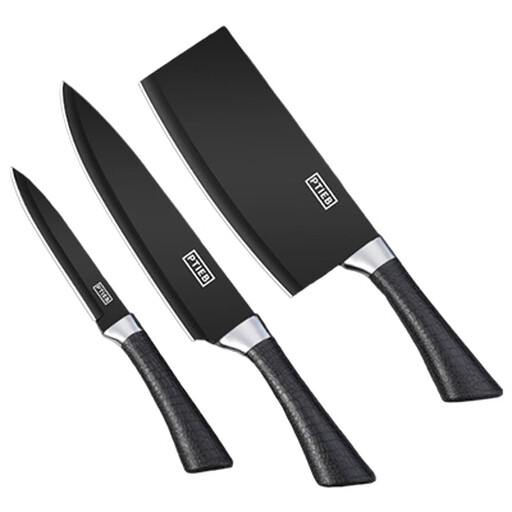
Why This Fits Their Persona: A straightforward option for a first kitchen, rented flat or new home where three clearly defined knives cover common preparation jobs without adding unnecessary pieces.
The three-piece format focuses on a fruit knife, chef knife and slicing knife rather than relying on a high piece count alone. Check the listing for exact materials and care details before purchase.
Three different blade roles; suitable for shoppers seeking a compact household knife set.
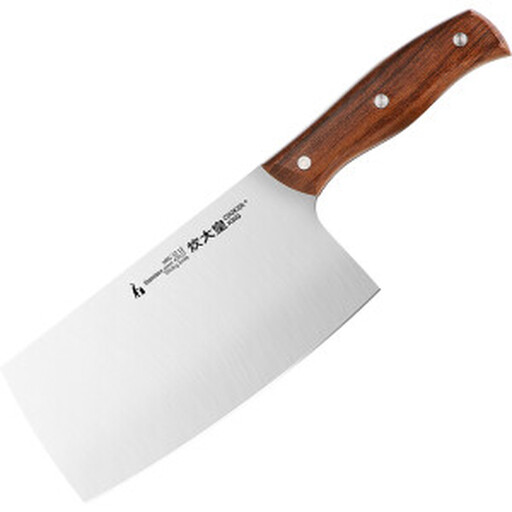
Why This Fits Their Persona: Suits cooks who want a substantial Japanese-style cleaver for regular vegetable, meat and garlic preparation, with a handle designed for moisture resistance.
The listing provides specific details including 7Cr17MoV steel, 58±2 HRC hardness, a 15° double-bevel edge and full-tang triple-rivet construction, making comparison more straightforward.
Wide blade surface; waterproof pakkawood handle; listed full-tang construction.
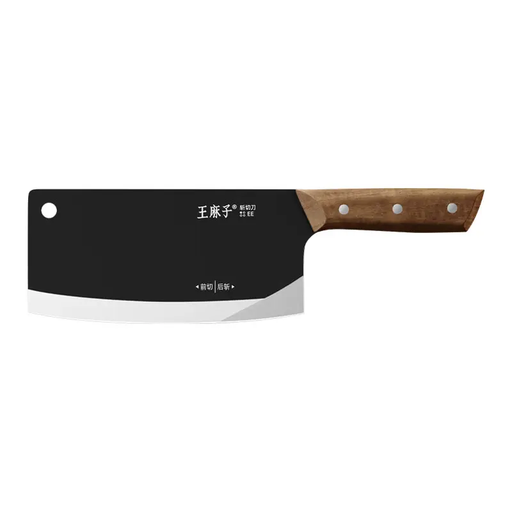
Why This Fits Their Persona: A practical match for cooks who regularly prepare meat and vegetables and want separate blades for heavier chopping and finer slicing.
The two-blade format separates chopping from slicing, rather than expecting one knife to handle every task. Use the heavier blade only for suitable ingredients and follow safe cutting practice.
Dedicated chopping and slicing knives; high-carbon steel is listed; wooden handles are specified.
We have compiled a complete, real-time list of products that fully satisfy these strict selection criteria and UK safety regulations.
For many UK households, three to five useful pieces are sufficient: a chef knife, a smaller preparation knife, a slicing knife and, optionally, a bread knife or kitchen scissors. Choose based on your cooking habits rather than the advertised number of items.
It depends on frequency of use, blade steel, chopping board material and technique. Light household use may only require occasional sharpening, while busy cooks may need it more often. Regular honing can help maintain alignment, but it does not replace sharpening.
Some sets are listed as dishwasher safe, but hand washing is generally preferable for preserving sharpness and handle condition. Always follow the product’s care instructions; knives listed as hand wash only should not be placed in a dishwasher.