
24/7 Customer Support

Free returns

Same-day & Next-day Delivery

Quality Guaranteed

Unlock Your Welcome Offers: FREE Delivery | Up to 80% OFF | Free 30-day JoyPlus trial
Download the APP
A blunt kitchen knife is inconvenient, but buying the wrong kitchen knife sharpener can create further problems. Some products look versatile yet provide little information about their sharpening stages, while others are awkward to hold or difficult to secure on a worktop.
For UK home cooks, the most common buying pitfalls include:
A multi-stage knife sharpener may combine coarse sharpening, fine sharpening and honing. This can be useful if your household has knives in different conditions, but more stages do not automatically mean a better result.
A coarse stage is generally intended for a noticeably blunt edge, while a fine stage is more suitable for refining an edge that is already in reasonable condition. If you mainly want occasional maintenance, a simpler single-handle or dual-sided design may be easier to store and use.
Look for clear information about:
A handheld knife sharpener should be easy to control without excessive pressure. A broad base, suction mechanism or non-slip contact area may help keep the tool stable, although the exact performance depends on the worktop surface and the product design.
Before buying, consider where you will use it. A compact manual knife sharpener may suit a small flat kitchen, while a single-handle design can be easier to place in a drawer. Whichever format you choose, keep your fingers away from the blade path and follow the supplied instructions.
Do not sharpen a knife while holding it in the air. Place the sharpener on a stable surface where possible, and keep children away from the work area.
Check whether the product is designed for standard household kitchen knives or a wider range of blades. A multifunctional knife sharpener may be appealing, but the word “multifunctional” should be supported by specific details rather than treated as a guarantee of compatibility.
Also check:
A kitchen knife sharpener should be treated as a maintenance tool, not a way to repair a chipped or badly damaged blade. Significant chips, cracks or bent edges may require professional attention or replacement.
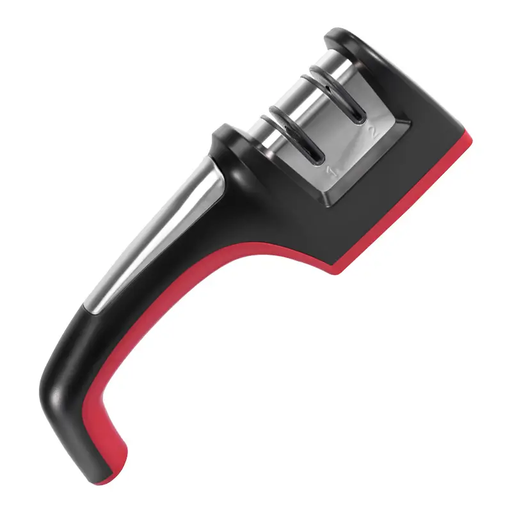
Why This Fits Their Persona: Its compact, user-oriented format suits households looking for a straightforward kitchen knife sharpening tool for routine maintenance.
The listing describes a simple sharpening slot and a compact design, helping buyers avoid paying for unspecified electronic features.
Multifunctional household format; designed for quick, simple slot-based use.
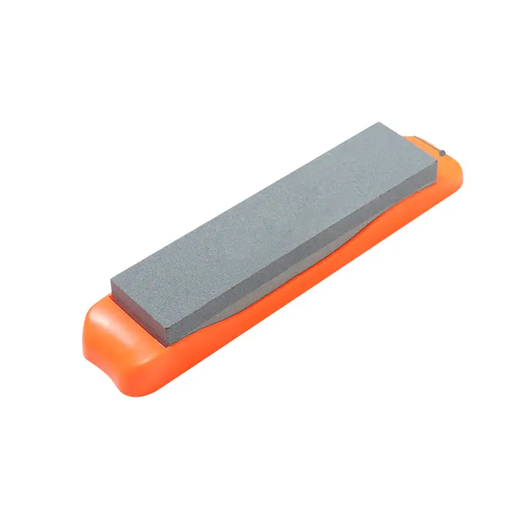
Why This Fits Their Persona: The dual-sided format may appeal to cooks who want more control over how they maintain their kitchen knives.
Its dual-sided specification is stated directly, rather than relying on a broad “professional” claim with no format details.
Dual-sided sharpening design; suitable for shoppers comparing a more hands-on sharpening method.
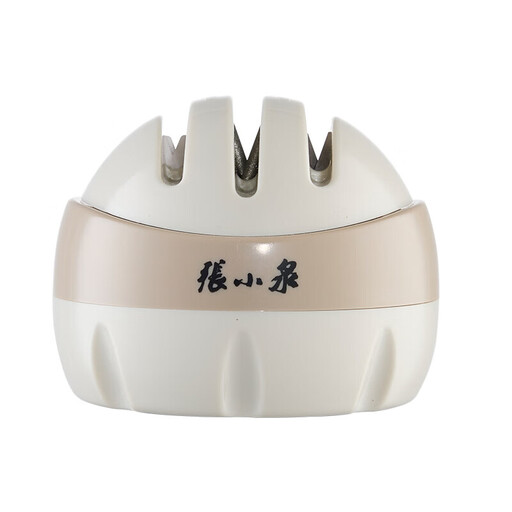
Why This Fits Their Persona: A suction-cup format is worth considering for home cooks who prioritise a fixed position while sharpening.
The suction-cup feature is specified in the product name, giving buyers a concrete stability feature to assess rather than an unclear grip promise.
Single-handle household design; suction-cup construction intended for worktop placement.
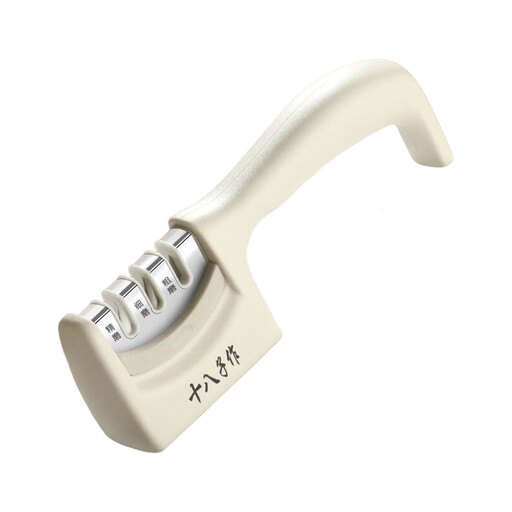
Why This Fits Their Persona: Regular cooks with several household knives may prefer a three-stage format that separates different maintenance steps.
The three-stage structure is clearly identified, so shoppers can compare the actual format instead of relying on an unsupported “one-pass” promise.
Three-stage sharpening format; single-handle household construction.
We have compiled a complete, real-time list of products that fully satisfy these strict selection criteria and UK safety regulations.
For a shared household kitchen, a simple household knife sharpener is often easier to maintain than a complicated device with features you will not use. If you cook frequently, a multi-stage model may provide a more structured routine, provided its instructions match your knives.
There is no universal schedule. Use it when the knife begins to drag through ingredients or requires noticeably more pressure, rather than sharpening automatically every day. Frequent light maintenance may be preferable to waiting until the edge becomes severely blunt.
Yes, many manual knife sharpeners are designed for household use and do not require electricity or replacement batteries. The important factors are stable placement, compatible blade design and careful pressure control.
Lifespan depends on the sharpening surface, frequency of use, knife material and cleaning routine. Check the product information for wear guidance, keep the tool dry and avoid using it on blades outside its stated compatibility range.