
24/7 Customer Support

Free returns

Same-day & Next-day Delivery

Quality Guaranteed

Unlock Your Welcome Offers: FREE Delivery | Up to 80% OFF | Free 30-day JoyPlus trial
Download the APP
A sharp, reliable kitchen knife can transform food preparation from a chore into a pleasure. Yet, navigating the market for a new one can be a frustrating experience. With so many options available, it is easy to fall for marketing hype and end up with a blade that dulls quickly or feels awkward to use. As the Joybuy Product Recommendation Officer, my role is to help you identify the key features that truly matter, so you can choose a knife that serves you well for years to come.
Before you make a decision, be aware of these common purchasing pitfalls:
To ensure your investment is a sound one, focus on these core technical specifications. They are the true indicators of a knife's performance and longevity.
The type of steel is the most critical factor determining a knife's sharpness, durability and resistance to corrosion. Look for clear specifications on the steel type. For instance, 50Cr15MoV is a common stainless steel that offers good corrosion resistance and is easy to sharpen, making it suitable for everyday use. For higher performance, steels like 9Cr18MoV or other high-carbon variants provide superior hardness, meaning the blade will hold its sharp edge for much longer.
Also, consider whether the knife is forged or stamped. A forged kitchen knife is crafted from a single piece of steel that is heated and hammered into shape. This process creates a stronger, heavier, and better-balanced blade compared to a stamped knife, which is cut from a large sheet of steel.
The tang is the part of the blade that extends into the handle. A full tang means the steel runs the entire length of the handle, visible along the spine. This construction provides superior strength, durability and balance, making the knife feel like a natural extension of your hand. Knives with a partial tang are often less expensive but are more prone to breaking under pressure and can feel front-heavy and unwieldy, especially a larger chef knife or meat cleaver.
Different knives are designed for different jobs. Understanding the main types will help you select the right tool for your cooking style:
To help you find the right fit, here are several options matched to different types of cooks and their needs.
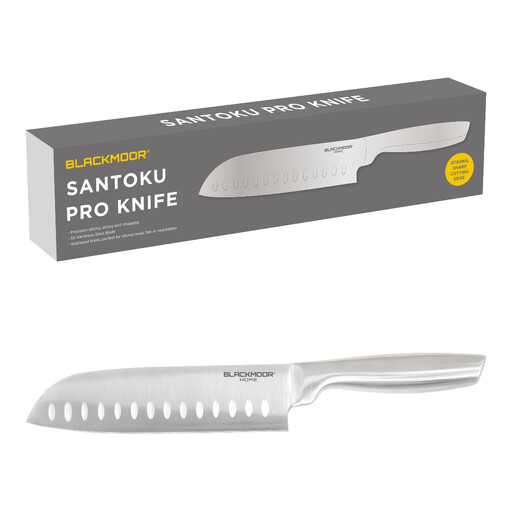
Why This Fits Their Persona: This user needs a reliable, low-maintenance workhorse for daily cooking tasks like chopping vegetables for a stir-fry or slicing chicken for a salad. The Santoku style is exceptionally versatile for these everyday jobs.
It avoids the "professional" label trap by being an honest, functional tool. Its value comes from its practical design and stainless steel blade, which is easy to maintain, rather than from overblown marketing claims.
The wide blade is useful for scooping and transferring chopped ingredients. Its balanced design and stainless steel construction make it a dependable and efficient choice for daily use.
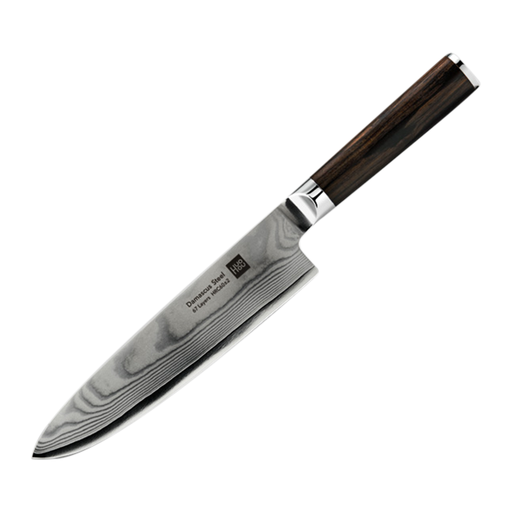
Why This Fits Their Persona: This home cook is passionate about food and willing to invest in high-performance tools. They appreciate fine craftsmanship and need a sharp cooking knife that can handle precise tasks for more ambitious weekend recipes.
This knife avoids the Damascus illusion by featuring a genuine 67-layer Damascus steel knife construction with a high-performance 90Cr14MoV steel core. The pattern is a result of the forging process, not a cosmetic etching.
The multi-layer construction provides an excellent balance of hardness for edge retention and flexibility. The ergonomic ebony wood handle and hand-honed 16° edge offer superior control and cutting performance.
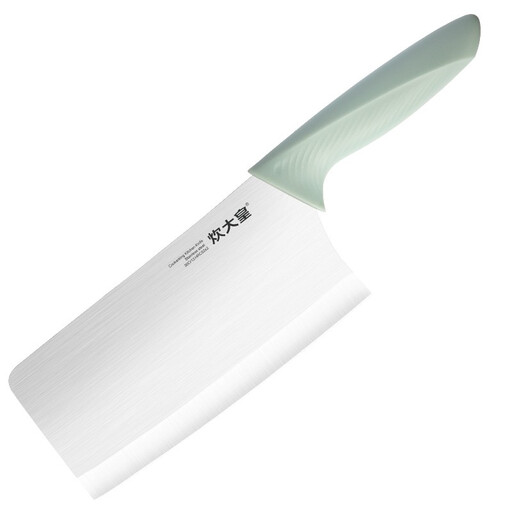
Why This Fits Their Persona: This user frequently tackles tough jobs, such as breaking down whole chickens, chopping through thick cuts of meat, or preparing large quantities of dense vegetables like squash or swede. They need a tool built for power and durability.
It avoids the unbalanced design flaw by being purpose-built for heavy work. Its weight, robust forged construction and contoured handle are all designed to provide the leverage and control needed for demanding tasks, preventing fatigue and ensuring safety.
The heavy-duty forged stainless steel construction provides exceptional strength for chopping through tough ingredients. The well-balanced shape and distinctive handle offer optimal control for heavy-duty tasks.
While a high-quality kitchen knife is essential for culinary tasks, many household projects require a different kind of blade. For DIY, crafting or general utility, a dedicated work knife is a safer and more effective tool.
We have compiled a complete, real-time list of products that fully satisfy these strict selection criteria and UK safety regulations.
Here are answers to a few common queries we receive about kitchen knife care and selection.
A forged kitchen knife is made from a single bar of steel, which is heated and hammered into its final shape. This process aligns the steel's molecules, resulting in a stronger, thicker and more durable blade that holds its edge well. A stamped knife is cut or "stamped" out of a large sheet of steel, then heat-treated for strength. Stamped knives are generally lighter, thinner and less expensive, but may not offer the same balance or long-term durability as a forged knife.
This depends on how often you use them and the quality of the steel. For a home cook using their knives daily, a light honing with a sharpening steel once a week will help maintain the edge. A full sharpening on a whetstone may only be needed once or twice a year. A high-carbon steel knife will hold its edge longer than a basic stainless steel one. The key is to act when you feel resistance; a dull knife requires more force, which is less safe.
It is strongly advised not to. The high heat, harsh detergents and potential for the blade to knock against other items can damage the edge, the handle and the steel itself, leading to dulling and corrosion. Always hand wash your quality kitchen knives with mild soap and warm water, and dry them immediately to preserve their condition.