
24/7 Customer Support

Free returns

Same-day & Next-day Delivery

Quality Guaranteed

Unlock Your Welcome Offers: FREE Delivery | Up to 80% OFF | Free 30-day JoyPlus trial
Download the APP
Whether you're dicing vegetables for a stew, slicing a crusty loaf or tackling a DIY project, the right knife makes all the difference. But the market for kitchen and utility knives is crowded with confusing claims and products that don't live up to their promise. Many of us have bought a hefty knife block only to find we use just two of the blades or a utility knife with a flimsy lock that feels unsafe.
As a Joybuy Product Recommendation Officer, my role is to help you navigate these choices. This guide cuts through the marketing jargon, focusing on the practical details that ensure you get a tool that is safe, effective and built to last. We will look at the common pitfalls to avoid and the core features that truly matter.
Before you add anything to your basket, be aware of these frequent traps that lead to buyer's remorse.
To make a smart purchase, focus on these three non-negotiable elements.
The heart of any knife is its blade. The material dictates its sharpness, durability and maintenance needs.
Using the right tool for the job is crucial for both safety and results. A good collection is built with a few versatile pieces, not a drawer full of redundant ones.
A knife's handle is your point of contact and control. It should feel comfortable and secure in your grip. For folding knives, the lock is paramount.
Instead of a generic list, we have matched specific products to different user needs, helping you find the right fit for your lifestyle.
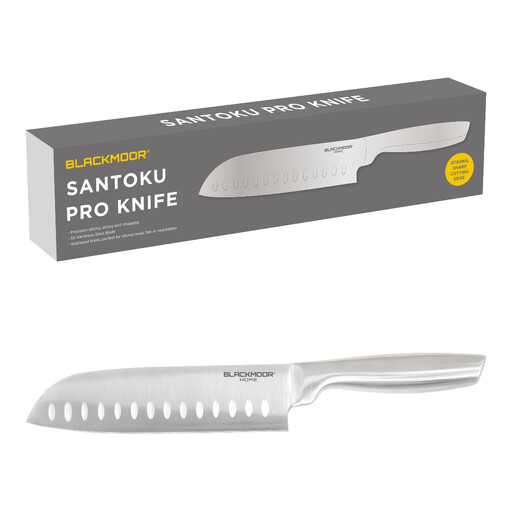
Why This Fits Their Persona: This is the perfect first "serious" knife for someone building their kitchen arsenal. A Santoku is incredibly versatile, handling the majority of daily chopping, slicing and dicing tasks for everything from a weeknight stir-fry to Sunday roast prep.
It directly counters the "complete set" illusion by offering one high-utility tool instead of a block of mediocre ones. This single purchase provides more value and performance than an entire low-end knife set.
The broad stainless steel blade is useful for scooping and transferring chopped ingredients. Its balanced design ensures comfortable and confident handling for everyday cooking.
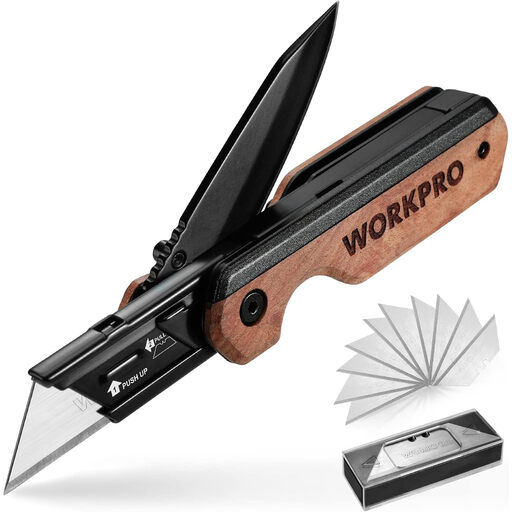
Why This Fits Their Persona: For the person who needs a reliable tool for opening packages, cutting carpet or general jobs around the house and garden. This combines two useful blade types into one compact, easy-to-carry tool.
It avoids the "unsafe mechanism" pitfall with a secure liner lock for safety during use. The focus is on practical, reliable function rather than unnecessary gimmicks.
The 2-in-1 design offers great versatility, while the quick-change mechanism and included 10 spare blades ensure it is always ready for the job. The belt clip makes it easy to keep on hand.
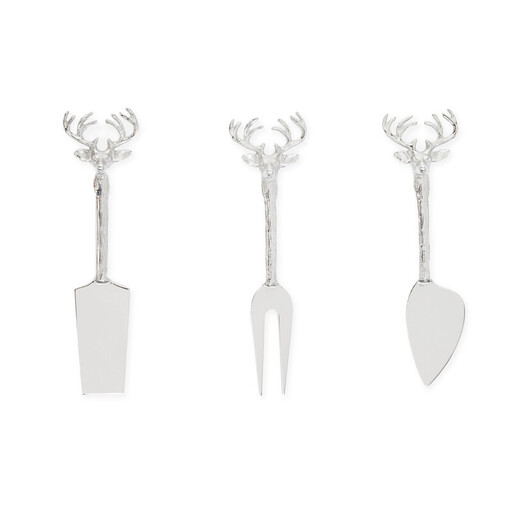
Why This Fits Their Persona: This is for the host who appreciates the finer details. Perfect for presenting a cheese board at a dinner party, a festive gathering or as a thoughtful housewarming gift. It combines function with decorative flair.
This is a specialist cheese knife set, not a poor all-rounder. It avoids the trap of trying to be a multi-purpose tool by excelling at its one specific, elegant job: serving cheese.
The intricate stag head handles provide a unique, nature-inspired aesthetic. The durable brass and steel construction ensures longevity and reliable performance for various cheese types.
We have compiled a complete, real-time list of products that fully satisfy these strict selection criteria and UK safety regulations.
This depends on the blade's steel and how often you use it. A general rule for home cooks is to have your primary chef's knife or Santoku knife professionally sharpened once or twice a year. You can maintain the edge between sharpenings with a honing rod. A dull knife requires more force to use, making it more likely to slip, so keeping your knives sharp is a key safety practice.
The main difference is the blade shape and cutting motion they encourage. A classic Western chef's knife has a long, curved blade that allows you to use a "rocking" motion on the chopping board. A Santoku knife has a straighter, wider blade with a rounded "sheep's foot" tip, which is designed more for a straight up-and-down chopping motion and making very thin slices. The choice is largely down to personal comfort and your preferred chopping style.
A well-designed folding utility knife is very safe for general use, provided you choose one with a reliable locking system. Look for models that specify a liner lock or slide lock, as these mechanisms are designed to prevent the blade from accidentally closing on your fingers. Always check that the lock is fully engaged before starting a task and retract the blade completely when you are finished.