
24/7 Customer Support

Free returns

Same-day & Next-day Delivery

Quality Guaranteed

Unlock Your Welcome Offers: FREE Delivery | Up to 80% OFF | Free 30-day JoyPlus trial
Download the APP
A kitchen oil dispenser bottle can make everyday cooking more controlled, hygienic and convenient. It can also become a source of sticky worktops, blocked spouts and difficult cleaning if the design is chosen on appearance alone.
Before buying, look beyond claims such as “drip-free” or “easy-pour”. The useful question is whether the bottle’s opening, seal, material and capacity match the way you cook. A small olive oil dispenser may suit occasional finishing, while a larger stainless steel oil bottle can be more practical for frequent frying and meal preparation.
A narrow or poorly shaped spout may look neat but allow oil to cling to the outside. This creates residue around the lid and can attract dust. A properly designed pouring outlet should support a steady flow and reduce backflow into the bottle.
A 500ml oil dispenser is easier to lift and store beside the hob, but frequent cooks may find it needs topping up regularly. A 1 litre oil dispenser reduces refilling but may become heavy when full. Consider where it will be stored and whether you can comfortably operate it with one hand.
A bottle that cannot be opened widely may be awkward to wash properly, particularly when used for oil, sauces or sticky condiments. Check whether the lid, seal and spout can be removed. Transparent glass also makes the contents visible, but it may show residue more clearly and requires careful handling.
For a glass oil dispenser, clear soda-lime glass can help you monitor the oil level and identify sediment or residue. It is suitable for many kitchen applications, but glass may break if dropped and should not be exposed to sudden temperature changes unless the product specifically permits this.
A stainless steel oil bottle is less transparent but can offer a practical option for busy kitchens. Look for clearly stated material information, such as 304 stainless steel, and check the construction of the handle, spout and inner components. A silicone seal can help create a closer closure, although no seal should be assumed to be permanently leakproof without regular inspection.
An olive oil dispenser with a shaped spout can help direct the flow more accurately over a pan, salad or baking tray. A dust cover is useful where the bottle is kept on an open worktop. Gravity lids can open during pouring and close when the bottle is returned upright, but the mechanism should be kept clean so oil does not restrict movement.
For a leakproof oil cruet, check how the bottle is sealed rather than relying on the product title. Look for a fitted lid, a silicone ring or another clearly described closure. After filling, wipe the neck and test the bottle over a sink before placing it near food or electrical appliances.
An oil dispenser with brush can be useful when applying oil to pastry, vegetables or a baking tray. It is not a substitute for a normal pouring bottle if you need to measure oil into a pan, so consider whether brushing or pouring is your main task.
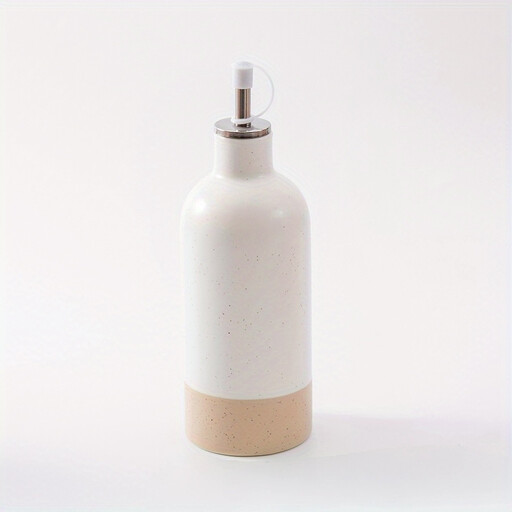
Why This Fits Their Persona: A two-piece set can suit shoppers setting up a kitchen on a measured budget or separating oils from sauces and other condiments.
The set format helps avoid buying separate bottles for different liquids. Check the listing for dimensions, closure details and cleaning instructions before ordering.
Two bottles are included in the stated product name, allowing separate storage for commonly used kitchen liquids.
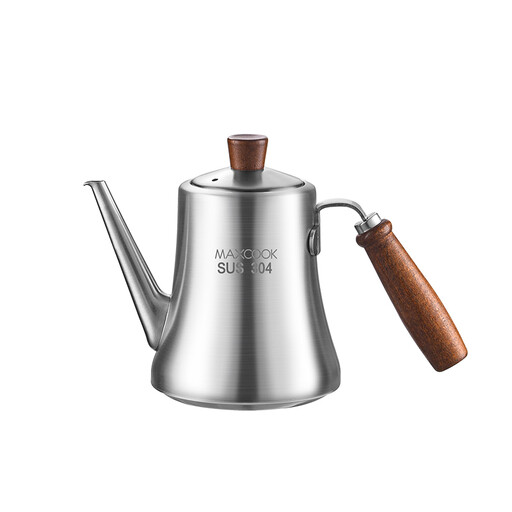
Why This Fits Their Persona: This suits cooks who value a durable, opaque dispenser with a substantial handle and one-handed pouring for regular meal preparation.
The stated 304 stainless steel pot avoids relying on a decorative glass body alone. Its eagle-style spout is described as helping reduce sticking and backflow.
500ml capacity, 304 stainless steel pot, fitted dust cover, wide opening and beech wood handle.
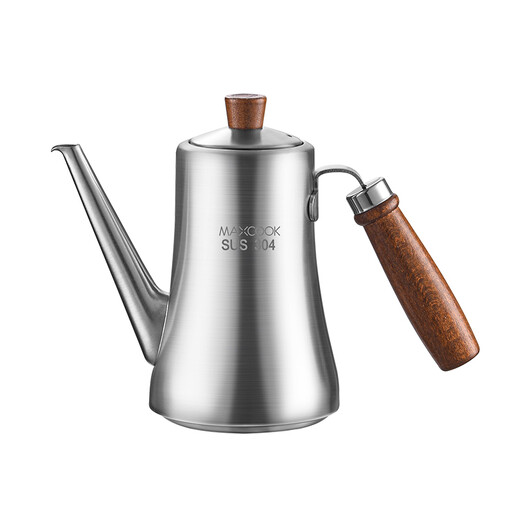
Why This Fits Their Persona: The larger format is suited to households that cook often, use several seasonings or want to reduce the frequency of refilling during busy meal preparation.
Its wide diameter is specified for easier filling and cleaning, helping address the common problem of narrow-neck bottles that retain residue.
1000ml capacity, 304 stainless steel pot, one-handed operation, non-slip handle and built-in dust cover.
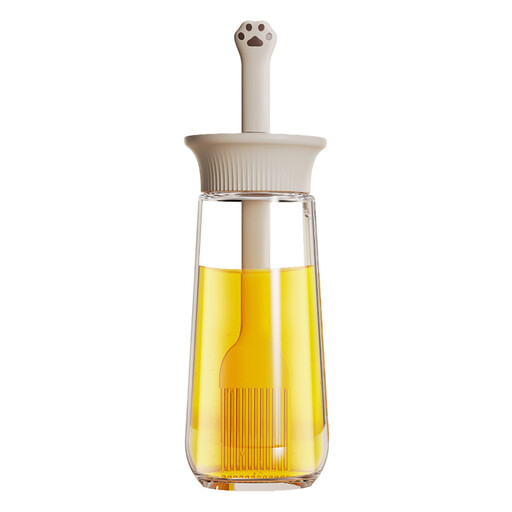
Why This Fits Their Persona: A practical match for bakers and cooks who brush oil, egg wash, honey or jam onto food rather than simply pouring seasoning into a pan.
The integrated lid and brush reduce the need to leave an open brush beside the hob. Detachable components allow more thorough washing after use.
280ml soda-lime glass body, food-grade silicone brush, funnel-shaped mouth and detachable lid-and-brush unit.
An oil bottle is not the right tool for every kitchen liquid. For picnics, barbecues and family gatherings, a reusable drink jug can reduce reliance on disposable containers.
The KitchenCraft Natural Elements Jug has a 1.6 litre capacity, a lid and a body made from recycled plastic. Its neutral putty colour and leafy pattern are designed to coordinate with outdoor dining pieces. See the KitchenCraft Natural Elements Jug for details.
For table presentation, the Begonia Flower Design Glass Jug Set includes two 1000ml pitchers and two 270ml cups. The clear glass displays lemonade, iced tea or infused water, while the floral motif provides decorative detail. The listing advises hand washing to help preserve the design and warns against hot liquids, microwave use and sudden temperature changes. View the Begonia Flower Design Glass Jug Set before choosing it for entertaining.
We have compiled a complete, real-time list of products that fully satisfy these strict selection criteria and UK safety regulations.
Wipe the spout and bottle neck after filling, then wash removable parts with warm soapy water according to the product instructions. Dry every component fully before reassembly. Avoid topping up old oil without cleaning the container first, as residue can build up inside the spout.
Glass makes the oil level easy to see and can suit shoppers who prefer a classic glass oil dispenser. Stainless steel is opaque and may be more suitable for a busy kitchen where impact resistance and a concealed interior matter. The choice also depends on handling, storage and whether you need to monitor the oil visually.