
24/7 Customer Support

Free returns

Same-day & Next-day Delivery

Quality Guaranteed

Unlock Your Welcome Offers: FREE Delivery | Up to 80% OFF | Free 30-day JoyPlus trial
Download the APP
Juggling multiple bins and bags for general waste, recycling and food scraps can quickly make a tidy kitchen feel cluttered and disorganised. For many UK households, managing waste separation as required by local councils is a daily challenge. Finding a single, streamlined solution that is both practical and fits your kitchen's aesthetic can feel like a difficult task.
This guide is designed to help you navigate the options. We will look at key features to consider when choosing a kitchen recycling bin and highlight a few recommendations that cater to different needs, from all-in-one units to specialised caddies.
Before you decide, consider these practical points to ensure your new bin meets your household's demands.
The first step is to think about the volume of waste your household produces. For a family of four, a 40L kitchen bin is often a suitable starting point. A dual compartment bin is an excellent way to manage waste separation efficiently in one place. These typically feature two sections, one for general waste and one for mixed recycling, eliminating the need for separate containers. This design is often referred to as a double kitchen bin and is a popular choice for modern, organised kitchens.
The bin's construction affects its longevity and ease of use. Stainless steel is a common choice as it is durable, easy to wipe clean, and offers a contemporary look. A sleek black recycling bin can also make a stylish statement and is less likely to show scuffs or marks.
Beyond aesthetics, look at the mechanism. A soft close kitchen bin prevents the lid from slamming shut, reducing noise and wear and tear. A pedal-operated lid offers hands-free convenience, which is particularly useful when your hands are full or during food preparation.
Where will the bin live? A freestanding unit needs to fit comfortably in your available space without obstructing walkways. Measure the height, width and depth of the area, and remember to account for the extra height needed when the lid is open. For smaller kitchens or for separating food waste, a compact, wall-mounted or under-sink caddy can be an effective space-saving solution.
Here are a few options that address common kitchen waste management needs, from comprehensive separation to convenient food scrap collection.
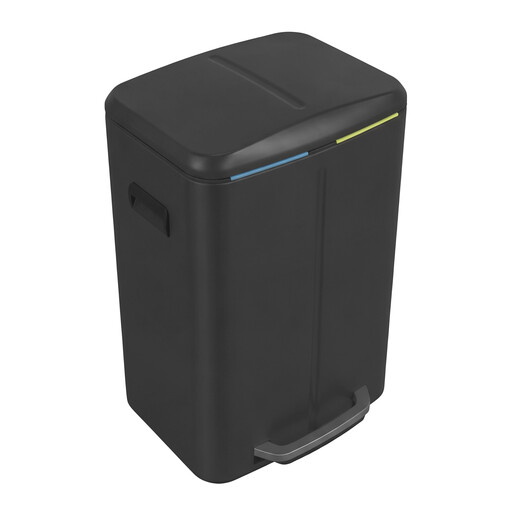
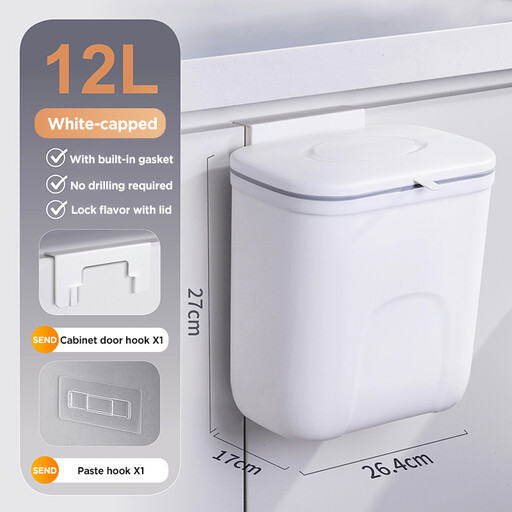
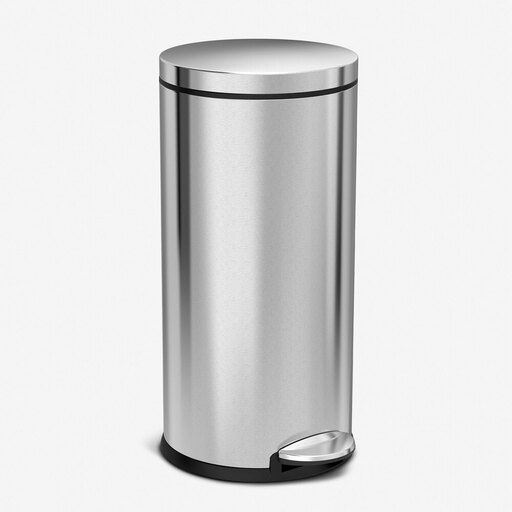
If a dual-compartment system isn't what you need, or you prefer a more traditional design, a classic single-compartment bin might be a better fit. You can explore a wider variety of sizes and finishes in our collection.
Explore our full range of Round Pedal Bin options to find the perfect match for your kitchen.
1. How do I choose the right size kitchen recycling bin? Consider your household size and how often you empty your bins. A single person or couple might find a 20-30L bin sufficient, while a family of four or more would likely benefit from a 40L kitchen bin or larger. Also, check your local council's collection frequency—if collections are fortnightly, a larger capacity may be more convenient.
2. Are dual compartment bins worth it? For many, yes. A dual compartment bin consolidates your general waste and recycling into a single, organised unit. This saves floor space, reduces visual clutter and makes the habit of separating waste much simpler. It's an effective way to keep your kitchen tidy while meeting recycling requirements.
3. How can I stop my kitchen bin from smelling? Regular cleaning is key. Wipe the inside of your bin and the lid with a disinfectant cleaner weekly. Ensure you use correctly sized bin liners to prevent spills. For food waste, using a smaller, separate caddy with a lid that you can empty more frequently is highly effective at controlling odours. Sprinkling bicarbonate of soda in the bottom of the bin can also help absorb unpleasant smells.