
24/7 Customer Support

Free returns

Same-day & Next-day Delivery

Quality Guaranteed

Unlock Your Welcome Offers: FREE Delivery | Up to 80% OFF | Free 30-day JoyPlus trial
Download the APP
From last night's stubborn lasagne dish to the delicate surface of a new non-stick frying pan, the humble kitchen sponge has a lot of work to do. Using the wrong one can mean endless scrubbing or, worse, permanent scratches on your expensive cookware. With so many options available, from heavy-duty scourers to eco-friendly alternatives, choosing the right tool for the job can feel surprisingly complex.
As the Joybuy Product Recommendation Officer, my role is to help you navigate these choices. This guide cuts through the marketing clutter to offer practical advice, helping you find a kitchen scrubber sponge that truly meets the demands of your home. We will look at key features to consider and highlight a few standout options for various cleaning challenges.
Before diving into specific products, let's cover a few key points to consider during your search. Keeping these in mind will help you select a sponge that is both effective and appropriate for your surfaces.
Not all scouring pads are created equal. A common mistake is using an overly abrasive scourer on a delicate surface. For non-stick pans, glass hobs and stainless steel appliances, a non-scratch scourer is essential. Look for sponges made from specialised polymer foams or tightly woven fibres designed to lift grime without causing damage. Always check the packaging for surface compatibility and, if in doubt, test on a small, inconspicuous area first.
Are you tackling baked-on food from a casserole dish or just wiping down countertops? A heavy duty kitchen sponge with a coarse, aggressive texture is ideal for tough, resilient surfaces like oven racks and grills. For everyday versatility, consider sponges with dual sides—a soft, absorbent side for spills and a tougher, non-scratch side for general dishwashing. Some modern sponges even change texture with water temperature, offering more cleaning flexibility from a single product.
Many conventional sponges are made from plastic and are not recyclable, contributing to landfill waste. If sustainability is a priority, the market for eco-friendly cleaning sponges has grown significantly. Options made from plant-based materials like wood pulp, cotton and loofah are now widely available. A biodegradable sponge UK-made product can often be composted at home at the end of its life, offering a zero-waste solution. Many of these are also reusable kitchen sponges that can be machine-washed to extend their lifespan.
Here are four kitchen scrubber sponges that address different cleaning needs and preferences, selected for their specific features and user-focused design.
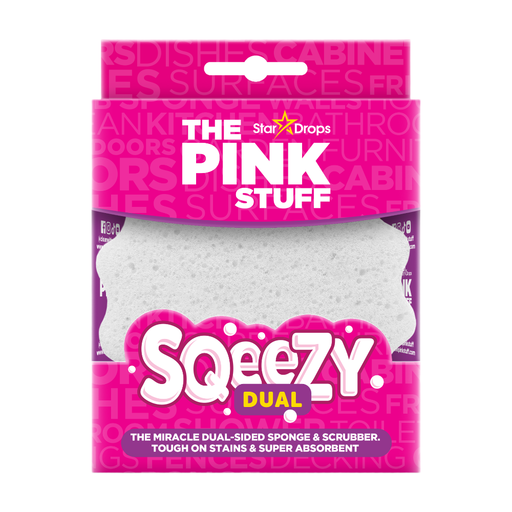
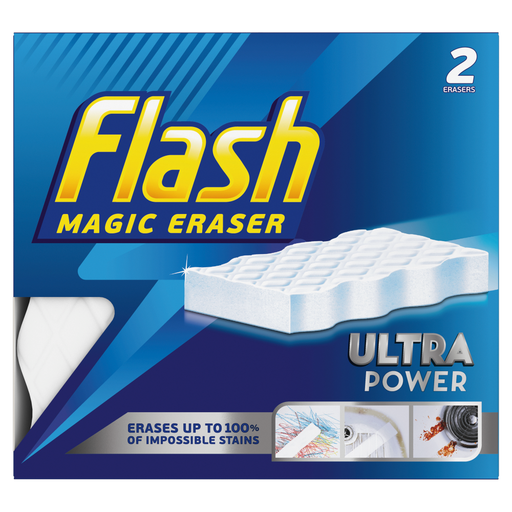
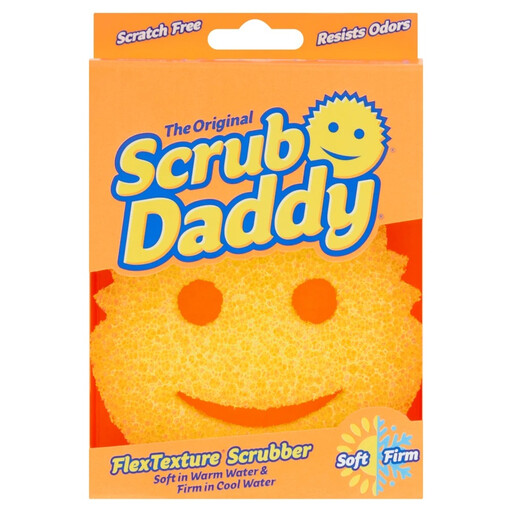
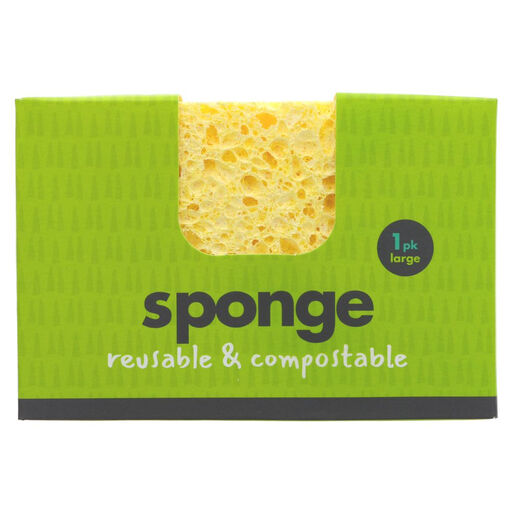
While these four products cover a range of common needs, the world of cleaning sponges is vast. If you have a very specific requirement or simply want to see more alternatives, you can find a wider selection to suit any task.
Explore our full collection of Sponge Scourers to find the perfect match for your home.
To protect the delicate coating on non-stick pans, it is crucial to use a non-scratch scourer. Avoid traditional green scouring pads, steel wool or any highly abrasive materials. Instead, opt for sponges specifically labelled as "non-scratch" or those made from polymer foams like FlexTexture, as they are designed to scrub effectively without causing damage.
For hygiene reasons, it is generally recommended to replace your kitchen sponge every 2-4 weeks, or sooner if it begins to smell or look visibly degraded. Some reusable kitchen sponges are designed to be more durable and can be sanitised by running them through a dishwasher cycle or washing machine, which can help extend their usable life.
Yes, modern eco-friendly cleaning sponges are designed to be highly effective. Many feature a dual-sided design, combining a tough but non-scratch scrubbing surface (often made from loofah or sisal) with a soft, absorbent side made from wood pulp cellulose. They perform just as well as their plastic counterparts for most daily cleaning tasks, with the significant advantage of being a biodegradable sponge that won't pollute the environment.