
24/7 Customer Support

Free returns

Same-day & Next-day Delivery

Quality Guaranteed

Unlock Your Welcome Offers: FREE Delivery | Up to 80% OFF | Free 30-day JoyPlus trial
Download the APP
Replacing a sink can change how a kitchen looks and functions, but choosing by appearance alone often leads to expensive mistakes. A deep farmhouse kitchen sink may not fit the existing cabinet, while a stylish gold finish may require more careful cleaning than expected. Even practical details such as the waste position, overflow and included accessories can affect installation costs and everyday convenience.
Before comparing kitchen sinks, watch for these common buying pitfalls:
A fireclay ceramic kitchen sink has a smooth glazed surface and a substantial appearance that works particularly well in traditional kitchens. Ceramic can be vulnerable to impact, so heavy cookware should be handled carefully. Mild detergent and a soft cloth are generally more suitable than abrasive cleaners.
A stainless steel kitchen sink is typically lighter than fireclay and offers a practical option for busy households. Look for the finish and care instructions: satin surfaces can show marks or scratches if cleaned with harsh chemicals or scouring products.
Decorative finishes, including a gold kitchen sink, can provide a distinctive focal point. However, the finish should be treated as a surface coating rather than an indication of different structural performance. Check cleaning instructions and avoid dropping heavy objects into the bowl.
The three common formats are:
Always compare the sink’s overall dimensions, bowl depth and cabinet requirements. A 35.5 kg ceramic sink, for example, needs robust support before adding cookware and water. Professional installation is particularly sensible for heavy undermount or apron-front models. The installer should also check connections against applicable UK plumbing requirements and confirm that the waste route is suitable.
A single bowl offers uninterrupted space for large pans, baking trays and washing-up. Consider the internal depth as well as the length and width, since a deep bowl may be less comfortable for some users.
A kitchen sink with drainer can be useful where there is limited dishwasher use or where washed items need to air-dry beside the bowl. If worktop space is restricted, a removable drying rack or integrated workstation ledge may offer more flexibility.
Also check whether the sink is supplied with a kitchen sink with overflow feature. An overflow helps route water away when the level rises, but it still needs to be connected correctly. Drain strainers, grids, cutting boards and drying racks can add useful functionality, while a sink tidy organiser helps keep cloths and washing-up tools off the worktop.
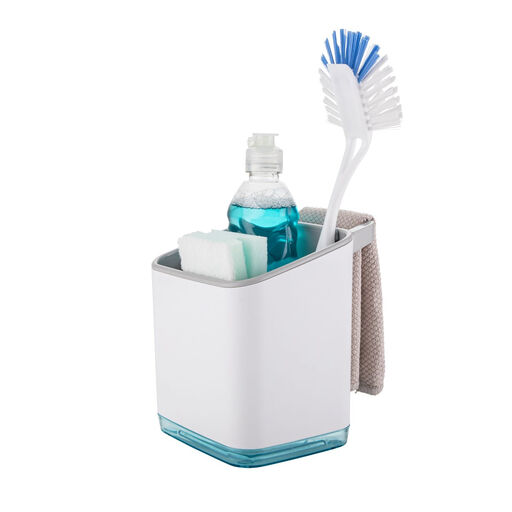
Why This Fits Their Persona: A practical choice for tenants, first-time homeowners or anyone improving a sink area without replacing the whole unit. Its compact 17.2 × 14.5 × 14.6 cm format suits many UK worktops.
It does not require a worktop cut-out or plumbing alteration, helping avoid hidden installation costs when the existing sink is still serviceable.
Two compartments, a hanging rail, removable drip tray and drainage spout organise everyday washing-up tools.
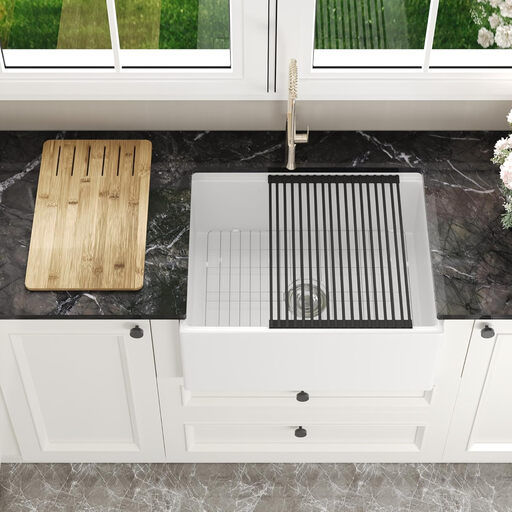
Why This Fits Their Persona: Suited to homeowners creating a traditional or statement kitchen and wanting a substantial single-bowl workstation with an apron-front appearance.
The listed 61 × 51 × 25 cm dimensions, undermount format and 35.5 kg weight make cabinet planning and support checks more transparent before purchase.
Fireclay ceramic construction, built-in overflow, integrated ledge and included basket strainer, cutting board, grid and drying rack.
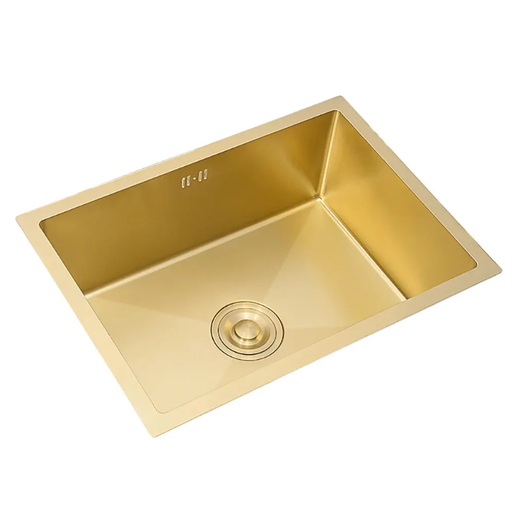
Why This Fits Their Persona: A suitable option for households that want a wide single bowl for larger washing-up jobs while retaining a decorative modern finish.
The specified 780 × 430 × 210 mm size, drop-in installation and included drain pipe help clarify the practical requirements before ordering.
Stainless steel construction, commercial-style satin finish, centre waste, included overflow and five-year limited warranty.
We have compiled a complete, real-time list of products that fully satisfy these strict selection criteria and UK safety regulations.
Professional installation is advisable for undermount kitchen sinks, heavy fireclay models and farmhouse designs. The installer can check cabinet support, worktop cut-outs, waste connections and overflow routing. For a drop-in sink, installation may be more straightforward, but incorrect measurements can still cause leaks or an unstable fit.
Lifespan depends on material, installation quality, cleaning habits and impact damage. Fireclay ceramic and stainless steel can both provide durable service when maintained according to the product instructions. Avoid abrasive cleaners, harsh chemicals and dropping heavy cookware into the bowl. Inspect seals and plumbing connections periodically for signs of leakage.
Accessories can improve the usable space around the sink. A grid may help protect the base of a ceramic bowl, while a cutting board, drying rack or basket strainer can support food preparation and washing-up. For smaller kitchens, a sink tidy organiser with a drip tray can reduce worktop clutter without requiring a new sink or plumbing work.