
24/7 Customer Support

Free returns

Same-day & Next-day Delivery

Quality Guaranteed

Unlock Your Welcome Offers: FREE Delivery | Up to 80% OFF | Free 30-day JoyPlus trial
Download the APP
A kitchen spatula and turner may look simple, but the wrong design can quickly become frustrating. A thin edge may bend under a heavy burger, rough metal may mark a non-stick frying pan, and a wooden handle can become difficult to maintain if it is repeatedly soaked.
UK home cooks also face product descriptions that highlight phrases such as “high heat” or “durable” without explaining the construction, dimensions or care requirements. Before choosing a silicone spatula, slotted turner or stainless steel wok spatula, check the details that affect everyday performance.
Heat resistance does not mean a utensil should be placed directly over an open flame. Several silicone products are designed for high-temperature cooking but specifically warn against prolonged contact with flames. Always distinguish between use in a hot pan and exposure to a grill, barbecue flame or hob ring.
A stainless steel frying turner can offer a firm edge and good control, but metal is not automatically suitable for delicate non-stick cookware. For coated pans, a silicone or other explicitly non-scratch utensil is usually a more suitable choice. Rounded or tapered edges can also help reduce unnecessary contact with the pan surface.
A product can be practical during cooking but inconvenient afterwards. Some wooden handle spatulas require hand washing and prompt drying, while certain stainless steel tools should not be left soaking. Look for a hanging loop or hole if drawer space is limited, and check whether the handle joins are easy to clean.
A solid turner is useful for lifting pancakes, fried eggs and foods where retaining juices matters. A slotted turner allows oil or liquid to drain as food is lifted, which is useful for fried food and serving from a roasting tray.
For wok cooking, a broad stainless steel wok spatula can help move ingredients around a large cooking surface. A long handle may keep hands further from heat, but it can also feel less nimble in a small frying pan. Match the length to the pan size and your cooking position.
A long handle is useful for stir-frying and BBQ cooking, but it should still offer a secure grip. Hollow metal handles may help reduce heat transfer, although they can become hot during prolonged use. The Maxcook wok spatula has a hollow handle and built-in hanging hole, while the EOTIA slotted turner combines a 2.5mm reinforced blade with a heat-resistant handle.
Always follow the care instructions. Hand wash with mild washing-up liquid where recommended, avoid abrasive cleaners on stainless steel and do not leave wooden handles or metal tools submerged for extended periods.
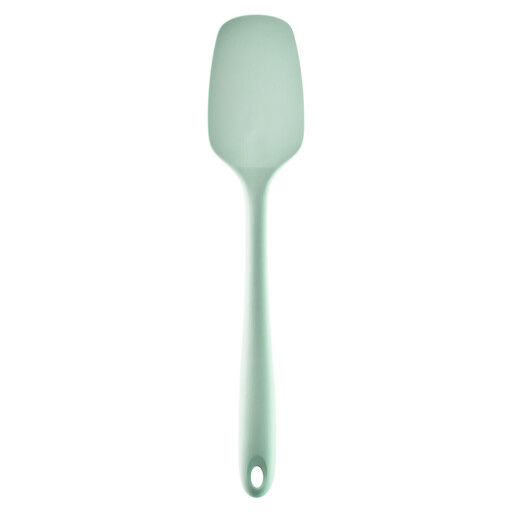
Why This Fits Their Persona: A straightforward everyday turner for UK kitchens that need one compact tool for flipping and serving without adding a large set to the drawer.
Its silicone head is described as gentle on non-stick cookware, while the open-flame warning makes the heat-use limits clear.
Heat-resistant silicone head; 28cm length; hanging loop for storage.
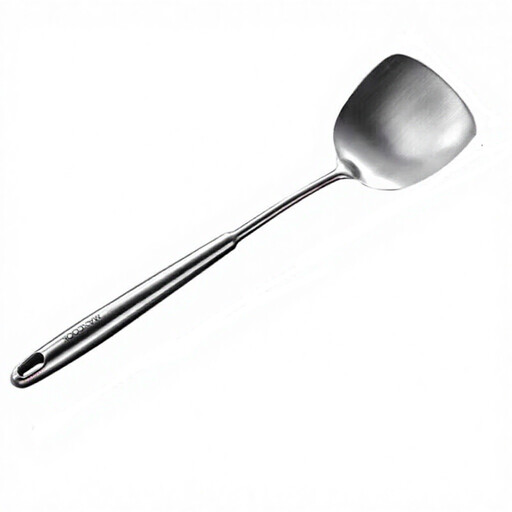
Why This Fits Their Persona: Suitable for cooks who regularly prepare stir-fries, noodles or larger portions in a wok and want a substantial metal utensil.
The specification identifies 304 stainless steel, rounded edges and one-piece moulded construction rather than relying only on a general durability claim.
38cm length; wide stainless steel blade; hollow handle and hanging hole.
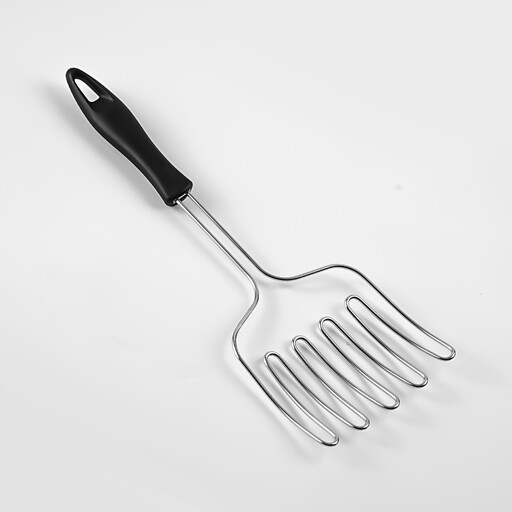
Why This Fits Their Persona: A practical choice for frying, grilling and lifting food where draining oil or liquid is useful.
The reinforced 2.5mm blade provides a clearly stated construction detail, while the slotted layout helps reduce oil transfer when serving.
37cm length; 113g weight; reinforced stainless steel blade.
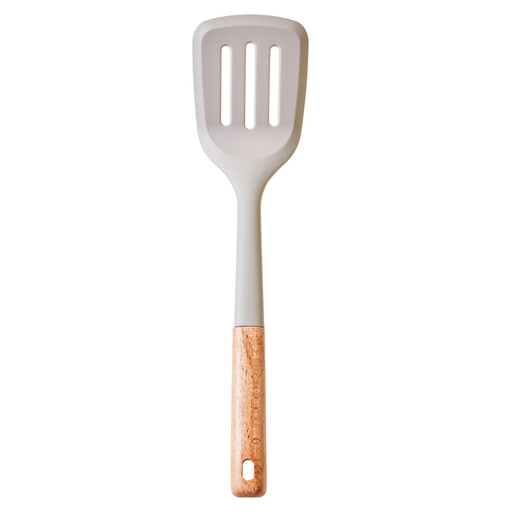
Why This Fits Their Persona: Designed for everyday frying and serving when a non-stick cookware spatula with a draining function is more useful than a solid blade.
The silicone head is specified as gentle on non-stick surfaces, and the slots allow excess oil and liquid to drain.
Silicone head; wooden handle; hanging loop; slotted design.
We have compiled a complete, real-time list of products that fully satisfy these strict selection criteria and UK safety regulations.
A silicone spatula or turner is generally the more suitable option when protecting a coated cooking surface is a priority, provided the product is labelled for non-stick cookware. Stainless steel offers more rigidity but should be used according to the cookware manufacturer’s guidance. Avoid dragging any utensil aggressively across the pan.
For standard frying pans, around 28–30cm is often easy to control. Longer tools of approximately 37–38cm are more suited to woks, large pans and BBQ cooking, as they provide additional reach. Consider storage space and whether the extra length affects balance.
Clean the utensil promptly after cooking, follow the stated washing instructions and avoid direct flames unless the product specifically permits it. Do not use steel wool or abrasive cleaners on stainless steel, and dry wooden handle spatulas thoroughly before storing. A small kitchen spatula set can cover solid, slotted and scraping tasks, but choose only the pieces that match your cookware and cooking habits.