The humble kitchen sponge is the unsung hero of our homes. It tackles everything from greasy pans after a Sunday roast to morning coffee spills on the countertop. Yet, when it comes to replacing one, the sheer variety can be overwhelming. Do you need a heavy-duty scourer, a gentle non-scratch pad, or an eco-friendly option?
Choosing the right tool can make your cleaning routine quicker, more effective and even more sustainable. This guide is designed to help you understand the different types of kitchen sponges available, so you can confidently select the perfect one for your household's needs.
How to Choose the Right Kitchen Sponge
Before you add a new sponge to your basket, consider these practical points. Matching the sponge to the task not only delivers a better clean but also protects your cookware and surfaces from damage.
1. Match the Material to the Surface
Not all sponges are created equal, and the material is the most important factor. Using the wrong type can lead to scratches on your favourite pans or ineffective cleaning.
- For Delicate Surfaces: If you regularly use non-stick cookware, glassware, or ceramic hobs, a non-scratch scourer is essential. Look for sponges made from cellulose, plant fibres, or specially designed polymers that are tough on grime but gentle on surfaces.
- For Tough Jobs: For stainless steel sinks, oven racks, or cast-iron pans, a more abrasive heavy duty cleaning sponge is suitable. These often feature a coarse, green scouring pad designed to cut through baked-on food and stubborn residue.
- For the Planet-Conscious: If sustainability is a priority, an eco-friendly sponge is an excellent choice. These are typically made from renewable, plant-based materials like wood pulp and cotton. They are often biodegradable and compostable, reducing plastic waste in your home.
2. Consider the Cleaning Task
Think about what you clean most often. A single sponge might not be the answer for every job.
- Daily Washing Up: A standard dish sponge or washing up sponge with a soft, absorbent side and a gentle scouring side is perfect for everyday plates, cutlery and glasses.
- Stubborn Stains: For specific, challenging marks—like crayon on walls, scuffs on skirting boards, or limescale in the bathroom—a specialised tool like a magic eraser can be incredibly effective. Made from melamine foam, it works with just water to lift stains that other cleaners can't.
- Grease and Grime: A dual-action sponge scourer provides the versatility needed for a busy kitchen, combining an absorbent sponge to mop up spills with a powerful scrubber to tackle grease on hobs and pans.
Top Kitchen Sponge Recommendations
Here are four different options that cater to various cleaning needs, from sustainable choices to affordable essentials.
Ecoliving Compostable Biodegradable Sponge
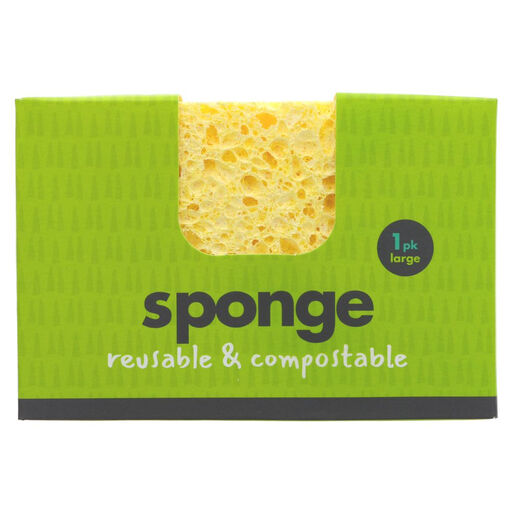
- Why It Stands Out: This sponge is a standout for its commitment to sustainability. It is 100% plastic-free and plant-based, crafted from cotton, wood pulp and flax. When it reaches the end of its life, it can be added to a home compost bin, where it will fully biodegrade.
- Pros:
- Dual-action design with a non-scratch scrubbing side.
- Safe for non-stick cookware and delicate surfaces.
- Durable and machine-washable for a longer lifespan.
- Home compostable, leaving zero waste.
- Who is it for?: Ideal for environmentally-aware households looking for a versatile and effective eco-friendly sponge that doesn't contribute to microplastic pollution.
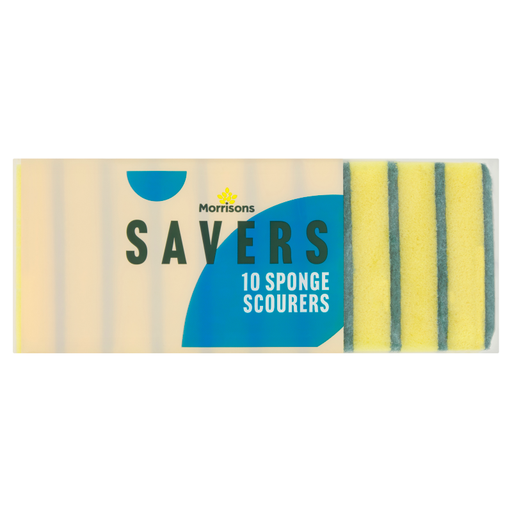
- Why It Stands Out: This pack offers straightforward value. For the price of a single speciality sponge, you get a pack of ten, making it a highly practical choice for managing the daily cleaning demands of a busy home.
- Pros:
- Excellent value with 10 scourers per pack.
- Dual-purpose design with an absorbent sponge and a classic scourer.
- Effective for general washing up and scrubbing tougher grime.
- Who is it for?: Budget-conscious families, students, or anyone who needs a reliable, no-frills washing up sponge and prefers to have a large supply on hand. Note that the scourer side is not intended for non-stick surfaces.
Flash Ultra Power Magic Eraser Sponge Scourer
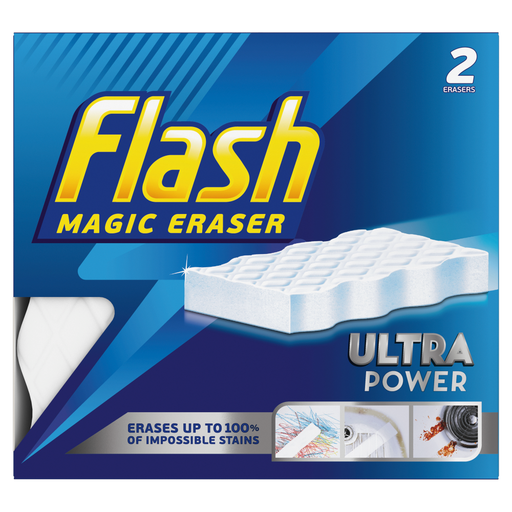
- Why It Stands Out: The magic eraser is a problem-solver. It removes stains that traditional sponges can't, such as crayon marks, burnt-on grease and scuffs on floors. It works with just water, activating the micro-scrubbers in the melamine foam.
- Pros:
- Removes tough stains without additional chemical cleaners.
- Versatile for use on walls, hobs, tiles and more.
- This Ultra Power version is designed to last longer than the original.
- Who is it for?: Anyone who needs a powerful solution for specific, stubborn marks around the home. It's a great tool for families with young children or for tackling deep-cleaning tasks.
Scrub Mommy Dual-Sided Scrubber+Sponge
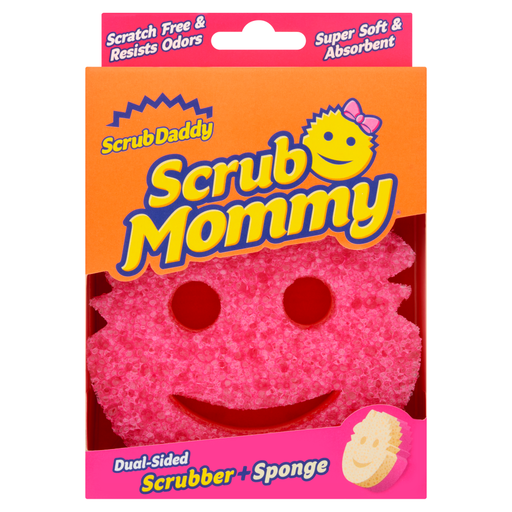
- Why It Stands Out: This sponge features an innovative design with two unique sides. The FlexTexture side becomes firm in cold water for heavy scrubbing and soft in warm water for light cleaning. The other side is made of soft ResoFoam for wiping and polishing.
- Pros:
- Temperature-controlled scrubbing power offers great versatility.
- Scratch-resistant on over 20 common household surfaces.
- Lab-tested to resist odours for up to 8 weeks.
- Effective with just water, reducing the need for harsh chemicals.
- Who is it for?: Those who enjoy clever cleaning gadgets and want a multi-functional tool that can adapt to different cleaning challenges, from scrubbing pots to wiping countertops.
Looking for More Options?
If you haven't found the perfect match for your cleaning cupboard yet, there are many other options to explore. From different shapes and sizes to specialised materials, the right tool is out there.
Explore our full range of household sponges to find the right one for your home.
Frequently Asked Questions About Kitchen Sponges
How often should you replace a kitchen sponge?
For hygiene reasons, it's generally recommended to replace a standard kitchen sponge every 2 to 4 weeks, depending on how heavily it's used. Some more durable sponges, like the Ecoliving model, can last 4-6 weeks and can be sanitised by machine washing at 30°C to help prolong their life. Always rinse your sponge thoroughly after each use and let it air-dry completely.
Can you use a sponge scourer on non-stick pans?
You must be careful. A standard green scourer, like the one on the Morrisons Savers sponge, can scratch and damage the coating on non-stick pans. To be safe, always use a designated non-scratch scourer. The Ecoliving and Scrub Mommy sponges are both designed to be safe for use on non-stick surfaces. Always check the product packaging for guidance.
What is a magic eraser made of and how does it work?
A magic eraser, such as the one from Flash, is made from a material called melamine foam. When you wet it, the foam's microstructure becomes very hard and acts like an extremely fine abrasive, physically lifting and trapping dirt and stains from surfaces. This is why it can remove tough marks with just water, without needing any chemical cleaning agents.


