The humble kitchen sponge is a cornerstone of household cleaning, yet it's often an afterthought until it scratches a favourite pan or develops an unpleasant odour. With so many options on the market, from simple cellulose blocks to advanced polymer scrubbers, choosing the right one can feel surprisingly complex.
As your Joybuy Product Recommendation Officer, my role is to help you find practical tools that genuinely meet your needs. This guide will walk you through the key considerations for selecting a kitchen sponge and highlight a few standout options to make your cleaning routine more effective.
How to Choose the Right Kitchen Sponge
Before you add a sponge to your basket, consider these three factors. They will help you match the tool to the task, ensuring you get the performance and value you expect.
1. Match the Material to the Surface
The most common mistake is using a sponge that is too abrasive for the surface you are cleaning.
- For delicate surfaces: If you frequently wash non-stick pans, glassware or high-gloss countertops, a non-scratch scourer is essential. Look for sponges made from materials like polymer foam, cellulose or specially designed non-abrasive scrubbing textures. These provide cleaning power without causing damage.
- For tough jobs: When dealing with baked-on food, grills or cast-iron cookware, a heavy duty cleaning sponge with a more aggressive scouring pad is more appropriate. These are typically made from nylon or other durable synthetic fibres. Always check the packaging and test on an inconspicuous area first if you are unsure.
2. Prioritise Hygiene and Durability
A kitchen sponge can be a breeding ground for bacteria if not maintained properly. Modern sponges often include features to improve hygiene and extend their lifespan.
- Odour Resistance: Some sponges are made from materials that dry quickly and are engineered to be an odour resistant sponge. According to the brand Scrub Daddy, their FlexTexture material is lab-tested to resist odours for up to eight weeks.
- Ease of Cleaning: A sponge that can be easily sanitised will last longer and stay fresher. Many are now top-rack dishwasher safe, providing a simple way to deep clean them between uses.
3. Consider a Multi-Purpose Scrubber
Why have two or three tools when one can do the job? A multi-purpose scrubber or dual-sided sponge offers versatility. Typically, these feature a soft, absorbent side for wiping spills and applying soap and a textured side for scrubbing. This design is ideal for a general dish washing sponge, as it can handle everything from delicate wine glasses to greasy roasting tins.
Our Top Kitchen Sponge Recommendations
Based on their features, materials and intended use, here are our recommendations to help you find a suitable match for your kitchen.
Scrub Daddy The Original FlexTexture Scrubber
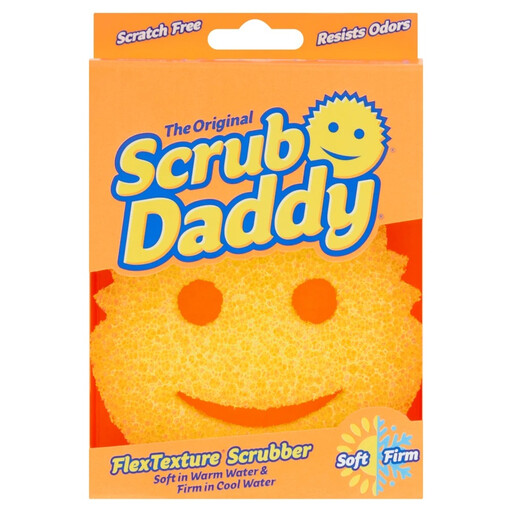
- Why It Stands Out: This scrubber’s main feature is its proprietary FlexTexture material. It remains firm in cold water for tough scrubbing power and becomes soft and pliable in warm water for gentle cleaning. This adaptability makes it a highly versatile tool for the entire home.
- Pros:
- Texture changes with water temperature for customised cleaning.
- Scratch-resistant on over 20 common household surfaces, including non-stick cookware.
- Rinses clean of debris and is designed to resist odours.
- Can be sanitised on the top rack of a dishwasher.
- Who is it for?: Individuals who appreciate innovative cleaning tools and want a single, versatile scrubber that can handle a wide range of tasks without scratching delicate surfaces.
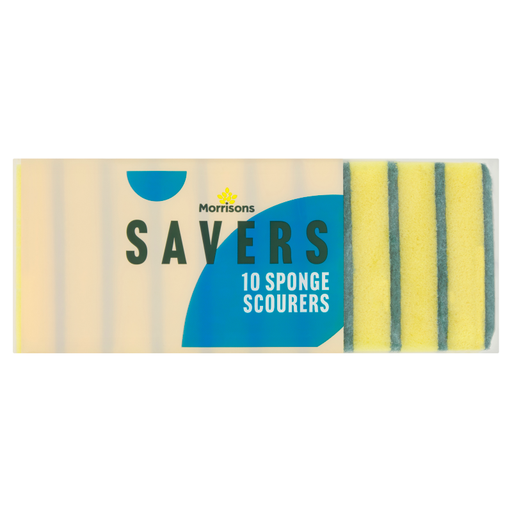
- Why It Stands Out: This product focuses on delivering exceptional value. For a very accessible price, you get a pack of ten dual-purpose sponge scourers, making it a practical choice for stocking up the cleaning cupboard.
- Pros:
- Excellent value with 10 scourers in one pack.
- Dual-purpose design with an absorbent sponge on one side and a traditional green scourer on the other.
- A straightforward, no-frills option for daily cleaning tasks.
- Who is it for?: Budget-conscious shoppers, students or anyone who needs a reliable supply of basic sponges for everyday dishwashing and general surface cleaning. Note that the scourer side is not recommended for non-stick or delicate surfaces.
Scrub Daddy Scrub Mommy Dual-Sided Scrubber+Sponge
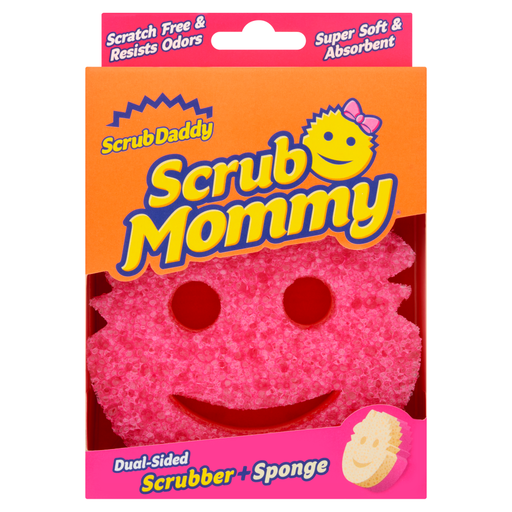
- Why It Stands Out: The Scrub Mommy combines two distinct technologies into one tool. One side features the temperature-adjusting FlexTexture for scrubbing, while the other side is made of ResoFoam, a highly absorbent and suds-generating material perfect for wiping and creating a rich lather.
- Pros:
- Dual-sided for scrubbing and wiping in one tool.
- FlexTexture side provides a non-scratch scrub on most surfaces.
- ResoFoam side is 6x more absorbent than leading sponge brands, according to the manufacturer.
- Designed to be odour-resistant and is dishwasher safe.
- Who is it for?: Those looking for an all-in-one cleaning powerhouse that can tackle tough, stuck-on messes and then absorb spills and wipe surfaces clean, all with a single sponge.
Looking for More Options?
While these three products cover a range of common cleaning needs, the world of cleaning aids is vast. If you are searching for bottle brushes, microfibre cloths or other specialised items, you can find more choices in our broader collection.
Explore our full range of cleaning tools to find the perfect solution for every corner of your home.
Frequently Asked Questions About Kitchen Sponges
1. How often should you replace a kitchen sponge? For hygiene reasons, it is generally recommended to replace a frequently used dish washing sponge every one to two weeks. However, sponges designed for durability and that can be sanitised in a dishwasher may last longer. You should always replace a sponge if it develops a persistent odour or begins to break down.
2. Can you clean and sanitise a kitchen sponge? Yes. Many modern sponges, including the Scrub Daddy and Scrub Mommy models, are top-rack dishwasher safe, which is an effective way to clean them. Alternatively, you can soak a sponge in a solution of diluted bleach and water for five minutes, then rinse it thoroughly. Cleaning helps extend the life of a sponge but does not make it last forever.
3. What is the difference between a sponge and a scourer? A traditional sponge is primarily for absorption and gentle wiping, made from porous materials like cellulose. A scourer is an abrasive pad designed for scrubbing away tough, stuck-on grime. Many modern products are dual-sided, combining a sponge and a scourer into a single, multi-purpose tool for greater convenience.


