
24/7 Customer Support

Free returns

Same-day & Next-day Delivery

Quality Guaranteed

Unlock Your Welcome Offers: FREE Delivery | Up to 80% OFF | Free 30-day JoyPlus trial
Download the APP
A kitchen spoon seems like a simple purchase, but the reality is often a drawer full of mismatched, melted or awkward utensils. Many of us have been there: a plastic spoon warps in a hot pan, a metal one scratches a brand-new non-stick frying pan, or a handle proves too uncomfortable for stirring a risotto. These small frustrations add up.
As the Joybuy Product Recommendation Officer, my role is to help you navigate past the marketing jargon and focus on what truly matters for your kitchen. Before you add another spoon to your collection, let's look at the common purchasing traps that lead to disappointment and wasted money.
The "Universal" Material Myth: Many spoons are marketed as all-purpose tools, but using the wrong material can ruin both the spoon and your expensive cookware. A cheap plastic spoon might be fine for a cold salad but can melt or leach chemicals into a simmering sauce. Conversely, a sturdy metal spoon is great for many tasks but will quickly scratch and degrade the surface of spoons for non-stick pans.
Overlooking Ergonomics and Design: A spoon's effectiveness isn't just about its head; it's about how it feels in your hand. A handle that is too short, too thin or made from a heat-conductive material can make cooking uncomfortable or even unsafe. The shape of the spoon head also matters—a shallow bowl won't be effective for serving soup, while a very deep one can be awkward for scraping the sides of a pan.
Vague "Heat-Resistant" Labels: The term "heat resistant" can be misleading. Without a specific temperature rating or material standard, a label can promise more than it delivers. Low-grade silicone or plastic might withstand moderate heat but can still warp, discolour or become brittle when used for high-temperature frying or searing, compromising its longevity and safety.
To ensure your next kitchen spoon is a lasting and useful addition, focus on these core parameters.
The material is the most critical factor. Your choice should be guided by the type of pots and pans you use most frequently.
Not all spoons are created equal. Having a few different types can make your time in the kitchen much more efficient.
To help you make a practical choice, we've matched some specific products to common user needs.
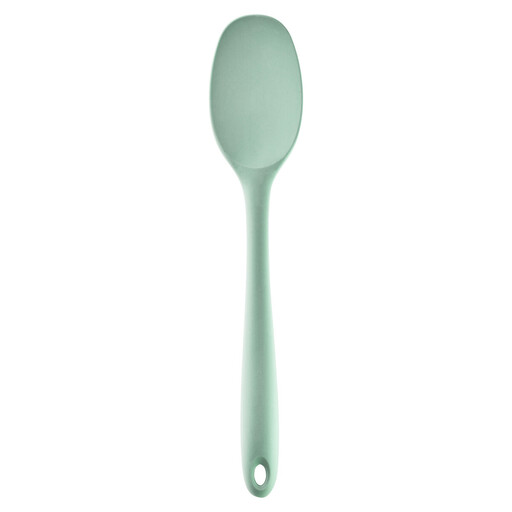
Why This Fits Their Persona: This user has invested in non-stick cookware and their primary goal is to preserve its surface. This spoon is designed specifically for that purpose, combining function with a clean, modern aesthetic suitable for any UK kitchen.
It directly counters the "universal material" trap. The silicone head is explicitly described as gentle on non-stick surfaces, preventing the scratches that metal utensils would cause.
The head is made from heat-resistant silicone suitable for daily cooking tasks and the ergonomic handle provides a comfortable, non-slip grip for better control.
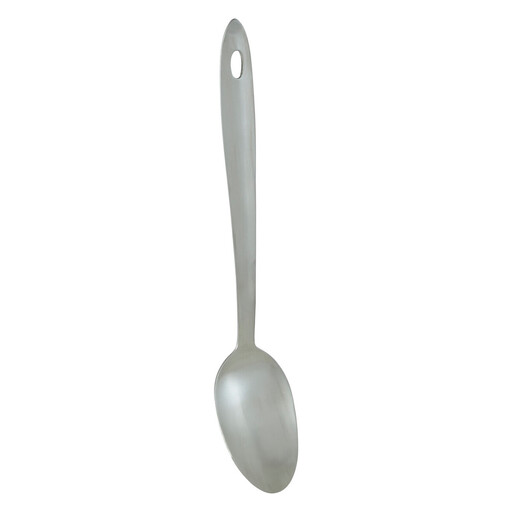
Why This Fits Their Persona: For someone who values aesthetics and hosts guests, kitchen tools must be both functional and presentable. This spoon's sleek, contemporary design and brushed finish make it suitable for moving from the hob to the dining table.
It avoids the poor ergonomics trap. The design features a wide, curved handle for a comfortable grip, making it a pleasure to use for both cooking and serving.
Made from robust stainless steel, it is built for longevity and resists wear. The integrated hanging loop also allows for neat, organised storage.
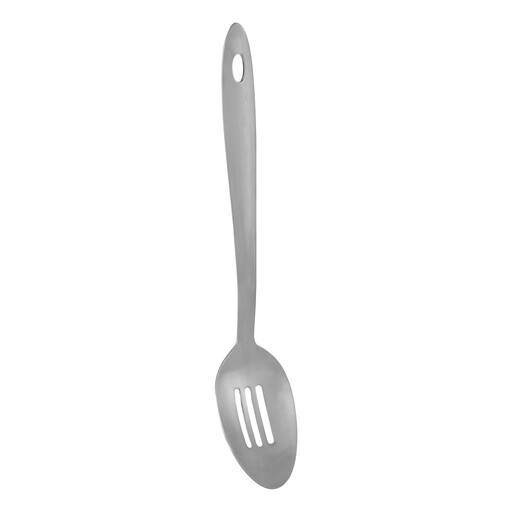
Why This Fits Their Persona: This user needs durable, no-fuss tools for frequent, varied cooking tasks. A slotted spoon is a kitchen workhorse, perfect for draining pasta, lifting vegetables and serving from broths, making meal preparation quicker and cleaner.
This specialised tool avoids the "one-spoon-does-all" pitfall. Instead of struggling to drain liquids with a solid spoon, this provides the right design for the job, improving efficiency.
Its robust stainless steel construction is designed to withstand heavy, everyday use. The sleek handle with a hanging hole ensures it is both easy to store and comfortable to use.
We have compiled a complete, real-time list of products that fully satisfy these strict selection criteria and UK safety regulations.
A cooking spoon is typically designed for utility during the cooking process. It often has a longer handle to protect your hands from heat and a bowl shape suited for stirring and scraping. A serving spoon is intended for the dining table. It may have a more decorative finish and usually features a wider, deeper bowl to make dishing out food easier.
To maximise the life of a wooden spoon, always wash it by hand with mild soap and warm water shortly after use. Do not let it soak in water and never put it in the dishwasher, as this can cause it to warp and crack. Dry it thoroughly with a towel and, every few months, you can rub it with a food-safe mineral oil to keep the wood conditioned and prevent it from drying out.
High-quality, food-grade silicone spoons are generally safe for high-heat cooking. They are non-reactive and have a high melting point, making them suitable for stirring sauces or sautéing vegetables. However, it is important to check the product's specifications. Avoid leaving any utensil, including silicone, resting in a very hot pan for extended periods and never expose it to a direct flame.