
24/7 Customer Support

Free returns

Same-day & Next-day Delivery

Quality Guaranteed

Unlock Your Welcome Offers: FREE Delivery | Up to 80% OFF | Free 30-day JoyPlus trial
Download the APP
Kitchen storage bags can simplify meal preparation, leftover storage and freezer organisation, but choosing the wrong type can create leaks, wasted food and unnecessary replacement costs. A thin bag may split when filled with soup, while a freezer bag not designed for heat can become unsafe if used in the oven or microwave.
This guide explains the practical differences between food storage bags, freezer bags, roasting bags, reusable food pouches and specialist options, so UK households can compare products with fewer surprises. For a wider selection, browse the food bags range.
Storage bags are designed for specific conditions. Freezer-safe bags are not automatically suitable for cooking, and disposable kitchen bags intended for leftovers should not be placed in an oven. Similarly, roasting bags require clear temperature limits and sufficient space for steam and expansion.
Always check the packaging for approved uses, temperature limits and warnings before putting a bag near heat.
A large pack may appear economical, but bags that are too small encourage overfilling. This can place pressure on the seal and make stacking difficult. For liquid foods, a self-standing base or wide opening can be more useful than simply choosing the largest number of bags.
Consider the food you normally store:
Reusable storage bags can reduce repeat purchases, but their practical lifespan depends on cleaning, drying and the food stored inside them. Oil, staining ingredients and sharp-edged foods can place extra strain on the material. Inspect closures and seams regularly, and replace a bag if it becomes cracked, cloudy, stretched or difficult to seal.
A product that states specific reuse guidance is easier to assess than one that only uses a general environmental claim.
Look for bags made from materials identified as suitable for food contact, such as polyethylene, polypropylene, silicone or food-safe kraft paper, depending on the intended use. BPA-free wording may be relevant for some buyers, but it does not mean the bag is suitable for every temperature or food type.
For baby-related products, check whether the bag is pre-sterilised, reusable or single-use, and follow the manufacturer’s instructions for cleaning, thawing and storage.
A zip, double zip-lock, self-sealing strip or silicone closure can help contain contents, but the design should match the food. Liquid storage benefits from:
For freezer storage, remove excess air where the instructions permit and label the contents and date. This helps reduce confusion and supports sensible stock rotation.
Check dimensions and capacity rather than relying on descriptions such as “large” or “extra-large”. A 30 × 45cm freezer bag, for example, provides a different storage option from a 1-litre everyday bag.
For roasting bags, confirm the maximum oven temperature, whether the product is suitable for fan-assisted ovens or microwaves, and whether supplied ties must be used. Keep heat-safe bags away from heating elements and follow the ventilation instructions.
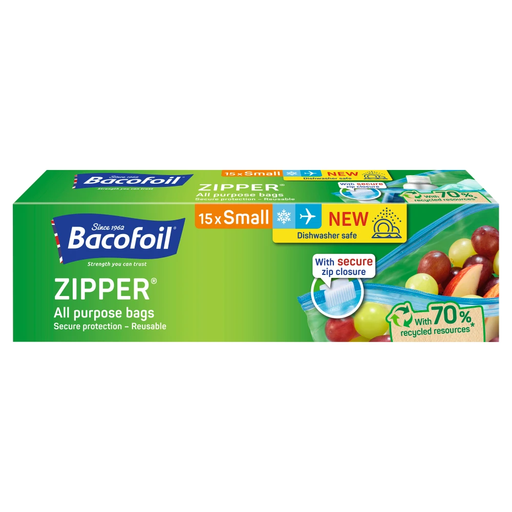
Why This Fits Their Persona: A practical option for households starting with everyday meal prep, packed lunches and small portions, with 15 bags in a pack and a 1-litre capacity.
The stated zip-tight closure and stand-alone base make filling and sealing more straightforward than using an unsupported flat bag. It is freezer suitable but not intended for microwave or conventional oven use.
Tear-resistant construction, dishwasher suitability and reuse guidance of up to 10 uses, subject to condition and care.
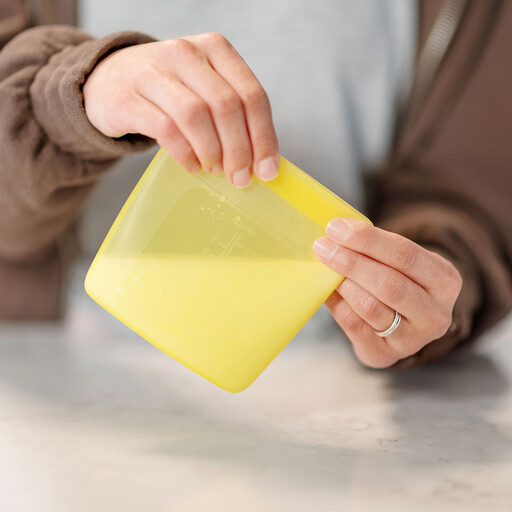
Why This Fits Their Persona: Suitable for pumping parents who prioritise a reusable format, measured portions and organised fridge or freezer storage.
The bags have a stated 220ml capacity, double-seal closure, writable label area and fridge/freezer compatibility. They should not be used in a microwave or on direct heat.
Platinum silicone construction, scale markings, self-standing shape and stated support for up to 500 uses per bag. Follow cleaning and inspection instructions carefully.
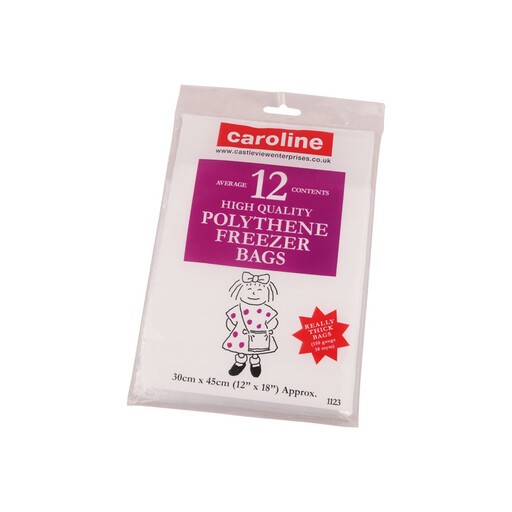
Why This Fits Their Persona: Designed for bulk shoppers, meal-preppers and households storing larger portions of meat, vegetables or leftovers.
The heavyweight plastic construction and 30 × 45cm dimensions are clearly specified, making capacity easier to judge than relying on vague “family size” wording.
Freezer-safe design, moisture-locking construction and 12 bags per pack. These are disposable bags, so they should not be treated as reusable storage bags.
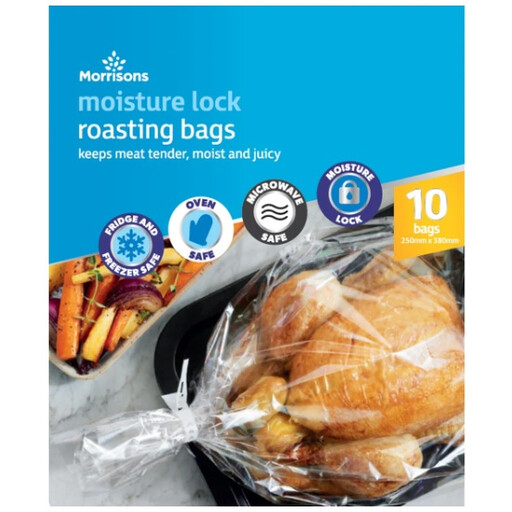
Why This Fits Their Persona: Useful for cooks who want a cooking bag that can be used in standard ovens, fan-assisted ovens, microwaves and freezers within the stated limits.
The product lists temperature limits of 200°C for standard ovens and 180°C for fan-assisted ovens, alongside instructions to vent the bag and keep it away from heating elements.
Medium 250 × 380mm format, 10 bags per pack and nylon ties included. Do not use on barbecues or grills.
We have compiled a complete, real-time list of products that fully satisfy these strict selection criteria and UK safety regulations.
Some are, but not all. Look for explicit freezer-safe or freezer-compatible wording. Freezer bags generally use thicker or more flexible plastic, while reusable food pouches may have reinforced seals and a stable base. Check the recommended capacity and leave room for expansion when storing liquids.
There is no universal lifespan. It depends on the material, cleaning method, frequency of use and food stored. Some products provide a reuse figure, such as up to 10 uses or up to 500 uses, but this is guidance rather than a guarantee for every household. Replace any bag showing damage, weakened seals or persistent odour.
Only when the packaging specifically states that they are microwave suitable. Follow the stated temperature limit, use the supplied tie where required, release steam as instructed and ensure the bag does not touch the sides or heating elements. For other food storage bags, assume they are not microwave-safe unless the product instructions say otherwise.