
24/7 Customer Support

Free returns

Same-day & Next-day Delivery

Quality Guaranteed

Unlock Your Welcome Offers: FREE Delivery | Up to 80% OFF | Free 30-day JoyPlus trial
Download the APP
A well-organised kitchen is a joy to use, and the right set of kitchen storage jars can transform a cluttered pantry into a space of calm efficiency. However, the market is flooded with options that look appealing on the shelf but fail to perform in a real British kitchen. Many of us have been disappointed by containers that promise freshness but deliver stale biscuits, or stylish jars that are simply impractical for daily use.
As the Joybuy Product Recommendation Officer, my role is to help you see past the marketing and focus on what truly matters. Before you invest in a new set of food storage containers, let’s look at the common pitfalls that lead to buyer's remorse.
To avoid these issues, focus on a few core specifications. Getting these right is the key to finding durable and functional kitchen storage jars.
The lid is the most critical component for freshness. Look beyond vague claims of "airtight" and examine the mechanism itself.
Both materials have their place in the kitchen, but their properties are very different.
A truly useful jar is one that fits into your daily routine.
Based on these practical criteria, here are a few options suited to different UK households and needs.
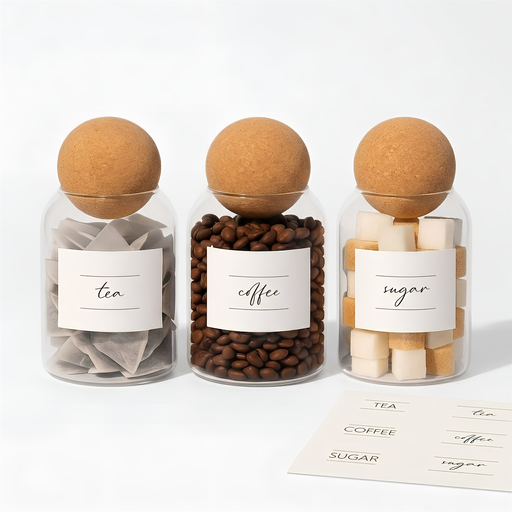
Why This Fits Their Persona: This user wants their countertop storage to be a deliberate part of their kitchen décor. This set's minimalist glass body and trendy cork ball lid offer a clean, Scandinavian-inspired aesthetic that elevates everyday essentials like tea and coffee into a style statement.
The non-porous glass construction completely avoids the trap of staining and odour retention, ensuring the jars remain pristine even when storing dark coffee or fragrant loose-leaf tea.
The natural cork lid provides a sufficient seal for frequently used dry goods. The clear glass makes it easy to see content levels at a glance.
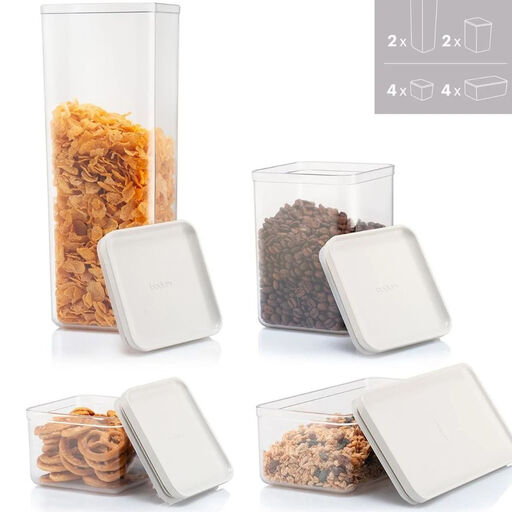
Why This Fits Their Persona: This user needs a complete, no-fuss system for a busy family pantry. This comprehensive 12-piece set offers a range of sizes for everything from pasta and cereals to nuts and flour, prioritising function, durability, and space efficiency for bulk storage.
It directly counters the impractical design trap. The containers are specifically designed for stackable kitchen storage, maximising vertical space in cupboards. The airtight lids with silicone seals also address the issue of freshness.
The set is made from lightweight, durable and BPA-free plastic, making it shatter-resistant and safe for family use. All components are dishwasher-safe for easy cleaning.

Why This Fits Their Persona: For the keen cook, having herbs and spices within easy reach is essential. This dedicated spice rack with jars provides an organised, accessible and stylish solution that keeps a curated selection of seasonings right on the worktop, ready for use.
This avoids the trap of impractical design. The 360-degree rotating base makes every jar easy to access, while the lids offer shake, pour and seal options, combining elegant display with true cooking functionality.
The set comes pre-filled with eight common herbs and spices, sealed for freshness. The combination of a brushed stainless steel frame and clear glass jars is both durable and contemporary.
We have compiled a complete, real-time list of products that fully satisfy these strict selection criteria and UK safety regulations.
1. Are glass or plastic storage jars better for a pantry? This depends on your priorities. Glass is excellent for preventing stains and odours and is infinitely recyclable, making it ideal for items like spices, coffee or tomato-based sauces. However, it is heavier and can break. BPA-free plastic is lightweight, durable and often stackable, making it a practical choice for bulk items like pasta, flour and cereals, especially in a busy family kitchen.
2. How can I tell if a storage jar is truly airtight? Look for a visible, substantial seal, typically made of silicone. A good test is to press down on the lid after sealing; you shouldn't hear air escaping. Clamp-style lids with a thick gasket or screw-tops with a well-defined inner seal are generally more reliable than simple push-on lids for creating airtight pantry jars.
3. Can you put hot food into glass storage jars? It is not recommended to pour very hot liquids or foods directly into a room-temperature glass jar. The rapid change in temperature, known as thermal shock, can cause the glass to crack or even shatter. Always allow foods to cool to a warm or room temperature before transferring them to glass storage containers.