
24/7 Customer Support

Free returns

Same-day & Next-day Delivery

Quality Guaranteed

Unlock Your Welcome Offers: FREE Delivery | Up to 80% OFF | Free 30-day JoyPlus trial
Download the APP
From rinsing fresh vegetables to draining a hearty portion of pasta, a reliable kitchen strainer is a non-negotiable tool for any home cook. Yet, with so many options available, choosing the right one can feel surprisingly complicated. A colander with holes too large might let your peas escape, while a sieve that’s too small can make washing a family-sized salad a chore.
This guide is designed to help you navigate the choices. We will explore the key features to consider when selecting a kitchen strainer, ensuring you find a practical and durable tool that suits your cooking habits. We will also share some of our top recommendations to help simplify your decision.
Before you buy, considering a few key points can make all the difference. Here’s what to look for to find a tool that will serve you well for years to come.
While often used interchangeably, colanders and sieves serve different purposes.
Many kitchens benefit from having at least one of each to handle the full spectrum of food preparation tasks.
The material of your strainer affects its longevity and ease of cleaning. Stainless steel is a popular choice for good reason. It is strong, resistant to rust and warping and does not absorb odours or flavours. A quality metal food strainer can handle hot liquids without issue and is generally simple to clean. While plastic options are lightweight, they can be prone to staining and may not be as durable over the long term.
Modern strainers come in various designs, each offering unique benefits:
Here are three practical options that cater to different needs and kitchen setups.
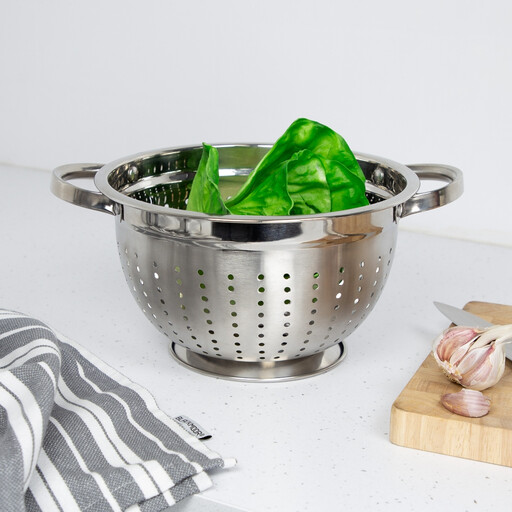
Why It Stands Out The BLACKMOOR colander is a classic kitchen workhorse. Its generous 24 cm diameter provides ample space for family-sized portions, making it an ideal vegetable washer or pasta drainer. Constructed from robust stainless steel with precision-punched holes, it allows for fast, efficient drainage. The integrated handles offer a secure grip, even when dealing with hot contents.
Pros
Who is it for? This is an excellent choice for households that frequently cook large batches of pasta, potatoes or vegetables and need a reliable, high-capacity tool.
View Product Details on Joybuy
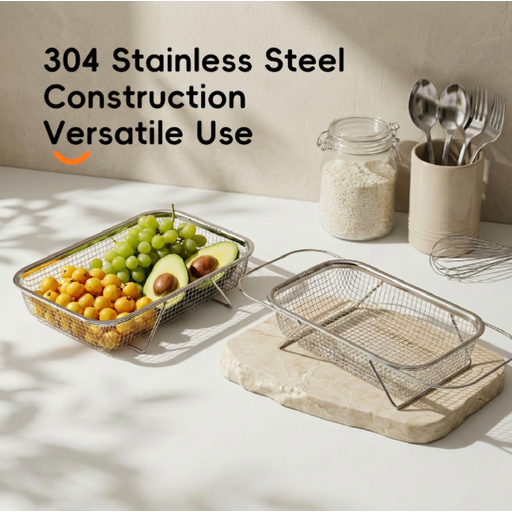
Why It Stands Out This PURECOOK drainer basket brings modern convenience to the kitchen. Its key feature is the retractable design, allowing it to expand to fit most standard UK sinks and collapse for compact storage. Made from food-grade 304 stainless steel, it’s a hygienic and durable option for rinsing produce directly over the sink. The dense drainage holes are efficient, and the hands-free operation is perfect for multitasking.
Pros
Who is it for? Ideal for home cooks in smaller kitchens, renters or anyone who values clever, space-saving tools that streamline the washing process.
View Product Details on Joybuy
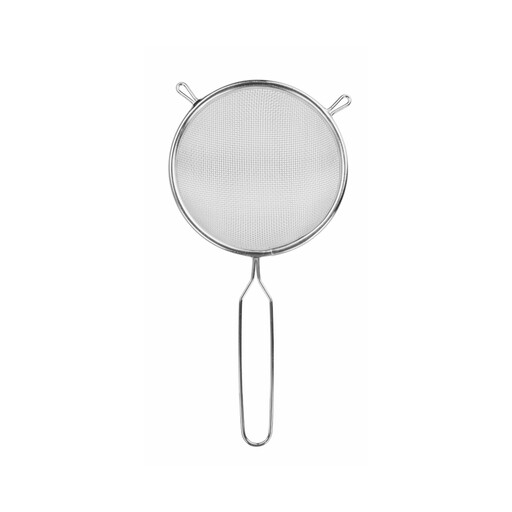
Why It Stands Out The Chef Aid sieve is a fundamental tool for tasks that require a delicate touch. Its fine mesh construction is perfect for preventing small items like rice, quinoa or lentils from washing away. The 16cm diameter is a practical size for everyday jobs, and the long handle provides excellent control. A small hook on the opposite side allows it to rest securely over bowls or pans for hands-free straining.
Pros
Who is it for? A must-have for every kitchen, this sieve is perfect for bakers, fans of grains or anyone who needs a precise tool for straining sauces and smaller food items.
View Product Details on Joybuy
The right tool can make all the difference in your daily cooking routine. If these recommendations aren't quite what you're looking for, there are many other sizes and styles to discover.
Explore Our Full Collection of Colanders and Strainers
1. What is the main difference between a colander and a sieve? A colander has larger, punched holes and is best for draining large items like pasta and washed vegetables quickly. A sieve has a fine wire mesh screen, making it suitable for rinsing small grains, sifting flour or creating smooth sauces.
2. How should I clean a stainless steel kitchen strainer? For best results, wash your stainless steel strainer or colander soon after use with warm, soapy water and a soft sponge or brush. This prevents food particles from drying in the mesh or holes. Avoid abrasive scouring pads, which can scratch the surface. Dry it thoroughly to prevent water spots.
3. Can I use a standard kitchen strainer to wash rice? You can, but a fine mesh sieve is the better tool for the job. The small holes prevent the rice grains from falling through, which can happen with a standard colander. Some specialised rice rinser bowls are also designed specifically for this purpose.