
24/7 Customer Support

Free returns

Same-day & Next-day Delivery

Quality Guaranteed

Unlock Your Welcome Offers: FREE Delivery | Up to 80% OFF | Free 30-day JoyPlus trial
Download the APP
Buying kitchen and utility knives can appear straightforward until you compare blade shapes, handle materials and intended uses. A knife designed for vegetables is not automatically suitable for cutting meat, while a carpet knife should never be treated as a general kitchen tool.
For UK households, the right choice depends on the work involved, how often the tool will be used and how safely it can be stored. This guide highlights common buying pitfalls, explains the specifications that matter and matches practical options to different user profiles.
A heavy kitchen cleaver may be useful for chopping vegetables or preparing certain cuts of meat, but it is not a substitute for an oyster opener, stripping knife or utility cutter. Using an unsuitable blade can make cutting slower and may increase the chance of slipping.
Match the tool to the material:
A very sharp edge is useful, but it is not the only specification worth checking. Blade thickness, construction, handle grip and locking features affect control and service life.
For example, a snap-off cutter knife can provide a fresh cutting segment when the exposed edge becomes dull. A folding utility knife may be easier to carry, but it should have a positive lock and a secure retraction mechanism. For kitchen use, a stainless steel knife is generally convenient to clean, although it still needs prompt drying and suitable storage.
Some buyers focus on the initial price and overlook the cost of replacement blades, sharpening equipment or specialist care. Utility knives with standard replacement blades can be practical for regular decorating and DIY work. Kitchen knives may need periodic sharpening, while wooden handles and carbon-steel blades can require more careful cleaning and drying.
Always check whether the product includes spare blades, whether replacements are readily available and whether the knife is designed for hand washing or other cleaning methods.
Look for a clearly stated blade material rather than vague descriptions such as “professional quality”. Stainless steel is commonly selected for kitchen tools because it is practical to clean and offers resistance to corrosion when maintained correctly. SK5 high-carbon steel is used in several utility knife blades and is valued for its suitability for replaceable cutting edges.
The edge should also suit the task:
Dimensions affect control as much as cutting capacity. A 50mm stripping knife covers less surface area per pass than a 75mm model, but may be easier to manoeuvre around corners and narrow sections. A 7-inch cleaver provides a broad cutting surface for stir-fry ingredients, while a 190mm or 280mm chopping knife may feel more substantial in the hand.
Weight also matters. A heavier meat cleaver can provide momentum, but may be tiring during extended preparation. For everyday cooking, choose a size that allows you to maintain a stable grip and clear view of the chopping board.
A comfortable handle should remain secure when hands are dry and clean. Utility knives benefit from features such as a sliding lock, lockback mechanism, belt clip or tool-free blade change. For pocket multi-tools, check that individual tools fold securely into the body and that the pouch or storage system keeps the item contained.
Sharp products should be stored away from children. When buying or using knives in the UK, follow the seller’s age requirements and the manufacturer’s safety instructions.
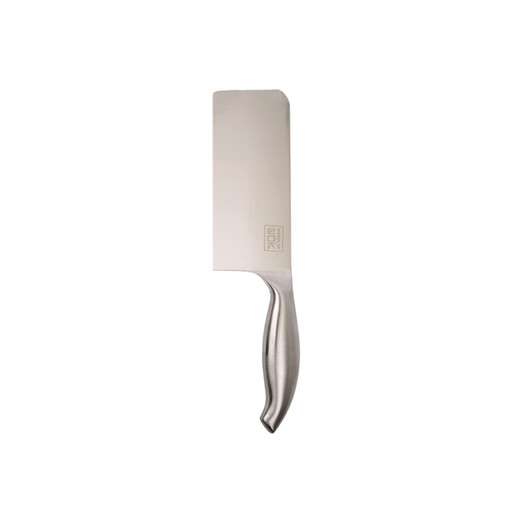
Why This Fits Their Persona: A practical choice for home cooks who want one broad kitchen blade for stir-fry preparation, vegetables, fish and suitable meat ingredients.
Its stated 7-inch straight-edge stainless-steel blade gives buyers clear information about size and material rather than relying only on promotional language.
Straight edge, ergonomic handle and stainless-steel construction; suitable for chopping, slicing and dicing.
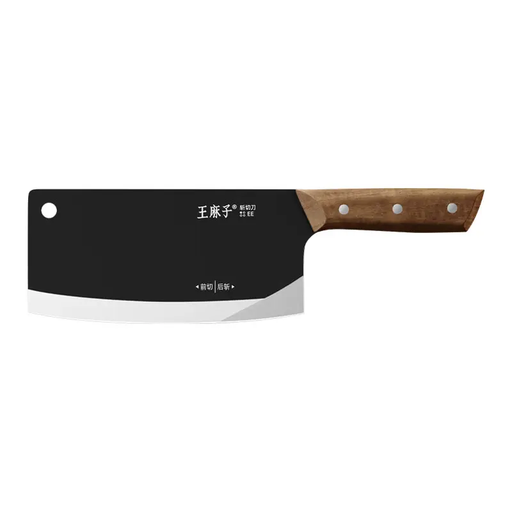
Why This Fits Their Persona: The two-knife format suits cooks who regularly prepare Chinese dishes and prefer separate tools for heavier chopping and lighter slicing.
The set separates chopping and slicing functions, reducing the temptation to use one blade for incompatible tasks.
Includes a heavier chopping knife and lighter slicing knife, with high-carbon steel blades and wooden handles.
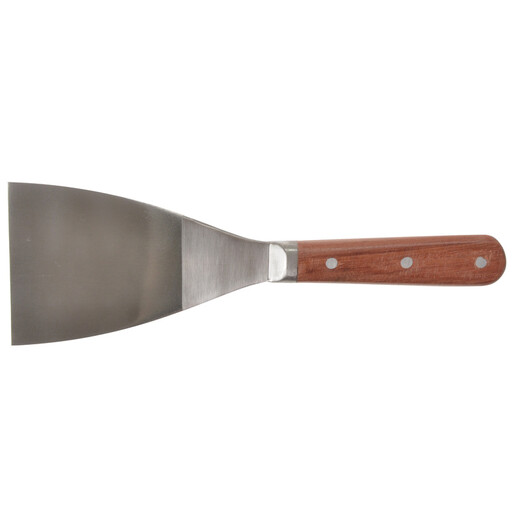
Why This Fits Their Persona: Decorators and DIY users removing wallpaper or old paint can benefit from a wider blade that covers more surface per pass.
The 75mm width and bevelled edge are clearly specified, making it easier to judge suitability instead of buying a generic scraper.
Features a hardwood handle, hardened full tang, taper-ground steel blade and 75mm working width.
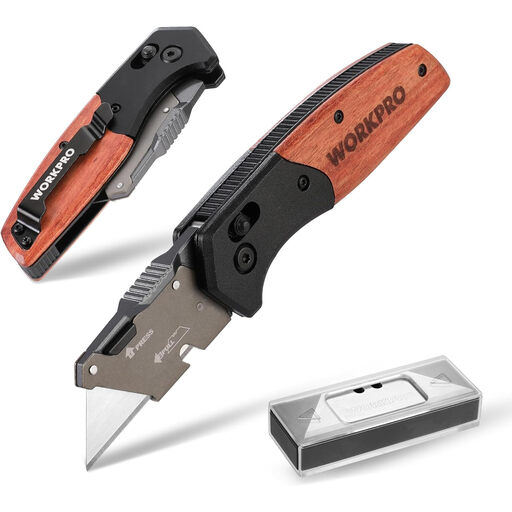
Why This Fits Their Persona: Tradespeople, crafters and campers who need a compact cutting tool can carry this folding design using its belt clip.
The external slide lock, quick-change system and included replacement blades address common concerns about loose blades and ongoing consumable costs.
Includes 10 SK5 replacement blades, a belt clip, sliding lock and 130g folding format.
We have compiled a complete, real-time list of products that fully satisfy these strict selection criteria and UK safety regulations.
The terms can overlap, but designs vary. A kitchen cleaver usually has a broad blade, while a Chinese chef knife may be lighter or supplied as part of a chopping-and-slicing set. Check the blade thickness, weight and manufacturer’s stated uses rather than relying on the name alone.
They can be practical for everyday use because stainless steel is relatively easy to clean and offers corrosion resistance. However, no knife is maintenance-free. Wash according to the instructions, dry it promptly and sharpen the edge when required.
Change a utility blade when it becomes dull, chipped or difficult to control. Continuing to use a blunt blade can encourage excessive pressure and increase slipping risk. The exact lifespan depends on the material being cut, cutting frequency and applied force.