
24/7 Customer Support

Free returns

Same-day & Next-day Delivery

Quality Guaranteed

Unlock Your Welcome Offers: FREE Delivery | Up to 80% OFF | Free 30-day JoyPlus trial
Download the APP
Bringing a new kitten home is an exciting time, filled with playful moments and new responsibilities. One of the most important duties is ensuring they get the right nutrition. The sheer number of kitten food options can be overwhelming, but getting it right from the start sets the foundation for a long and healthy life. This guide is designed to help you understand the essentials of kitten nutrition and navigate the choices available, making it easier to select a suitable food for your new companion.
Before looking at specific products, it helps to understand what makes a good kitten food. Kittens have unique dietary needs that differ significantly from adult cats. Here are a few key points to consider during your search.
The debate between wet and dry food is a common one. Both have their place in a kitten's diet, and many owners find a mixed-feeding approach works well.
kitten food pouches or tins, wet food has a high moisture content, which is excellent for keeping your kitten hydrated. Its soft texture is also gentle on a young kitten's teeth. The strong aroma can be particularly appealing to fussy eaters.dry kitten food is convenient for "free-feeding," where food is left out for the kitten to graze on. The crunchy texture can help with dental hygiene by reducing tartar build-up. It is also typically more cost-effective and has a longer shelf life once opened.A high-quality food will have a clear and transparent ingredient list. For a growing kitten, look for:
high protein kitten food where the primary ingredients are named meat or fish sources, such as chicken, turkey or tuna, rather than vague terms like "meat and animal derivatives."natural kitten food is typically free from artificial colours, flavours and preservatives. Many also avoid common fillers like grains, salt or sugar, which can be beneficial for kittens with sensitive stomachs.Always choose a food specifically formulated for kittens. These diets are calorie-dense and contain the precise balance of protein, fats, vitamins and minerals required for healthy development during their first 12 months. Adult cat food will not meet these specific requirements.
As a Joybuy Product Recommendation Officer, I've filtered through various options to highlight some practical choices for your new feline friend.

Why It Stands Out: This selection pack focuses on high-quality, natural ingredients with a very high meat and fish content. It's specifically designed for kittens aged 2-12 months, providing complete and balanced meals without grains, salt or sugar.
Pros:
Who is it for? This is an excellent choice for owners prioritising a natural, high-meat diet for their kitten. It's ideal for those who want to provide varied and palatable wet food meals.
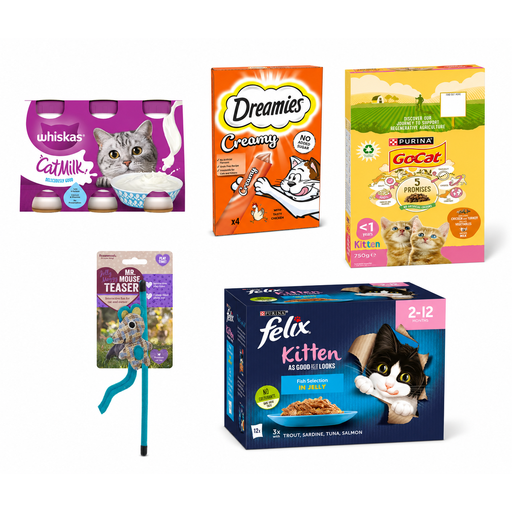
Why It Stands Out: This bundle is the ultimate convenience pack for new pet parents. It combines food, treats and a toy, taking the guesswork out of your initial shopping list. It serves as a perfect kitten starter kit or a thoughtful gift.
Pros:
Who is it for? This new kitten bundle is perfect for first-time cat owners who want a straightforward, comprehensive starting point. It's also a fantastic gift for friends or family welcoming a new kitten.
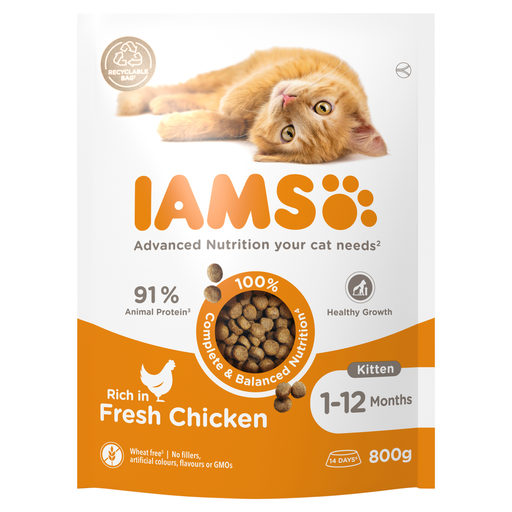
Why It Stands Out: This dry food is built on a scientifically formulated recipe that targets seven key areas of a kitten's health. Its high concentration of animal protein ensures your kitten gets the building blocks it needs for strong muscles.
Pros:
Who is it for? This is a solid choice for owners looking for a high-protein, scientifically backed dry food to support their kitten's overall vitality and development. It's particularly good for those who plan to free-feed or mix-feed.
These recommendations offer a great starting point, but every kitten is an individual. If you're looking for different formulations, such as grain-free dry food or specific single-protein wet foods, there are many other quality options to explore.
? Discover our full range of Kitty Cat Food here
1. How much food should my kitten eat? The correct amount depends on your kitten's age, weight and activity level. Always follow the feeding guidelines on the food packaging as a starting point. It's generally recommended to feed kittens several small meals throughout the day. If you are unsure, a quick chat with your vet can provide a personalised recommendation.
2. When can kittens start eating dry food? Kittens typically begin to wean off their mother's milk around four weeks of age and can start eating solid food. You can introduce moistened dry kibble at this stage to make it easier for them to chew. By the time they are 8-10 weeks old, most kittens can comfortably eat dry kibble without it being softened.
3. Can my kitten eat adult cat food? It is not recommended. Kitten food is specially formulated with higher levels of protein, fat and specific nutrients like DHA to support their rapid growth and high energy levels. Adult cat food lacks these concentrated nutrients and will not adequately support a kitten's developmental needs. You should continue feeding a kitten-specific diet until they are around 12 months old.