
24/7 Customer Support

Free returns

Same-day & Next-day Delivery

Quality Guaranteed

Unlock Your Welcome Offers: FREE Delivery | Up to 80% OFF | Free 30-day JoyPlus trial
Download the APP
Bringing a new kitten home is an incredibly exciting time. Amidst the anticipation of tiny paws and playful pounces, the task of gathering all the necessary supplies can feel overwhelming. The market is flooded with options, and it's easy to fall into common purchasing traps. As a Product Recommendation Officer at Joybuy, my role is to help you cut through the clutter and assemble a practical, safe and effective kitten starter kit without the unnecessary expense.
Many new owners in the UK find themselves wasting money on two key pitfalls:
This guide will provide a clear new kitten checklist, focusing on the core parameters you must consider to ensure you are buying the right kitten supplies UK residents can rely on.
Before you add anything to your basket, it's vital to understand the non-negotiable features of key items. Focusing on these fundamentals ensures you are investing in your kitten's health and safety from day one.
A kitten's nutritional needs are vastly different from an adult cat's. Their bodies are in a state of rapid development, requiring more protein, fat and specific nutrients to build strong bones, muscles and a healthy immune system.
Your home is a new adventure playground for a kitten, and their safety is paramount. Two items, in particular, require careful selection.
Instead of a one-size-fits-all approach, we've matched a few key products to the needs of different new kitten owners.
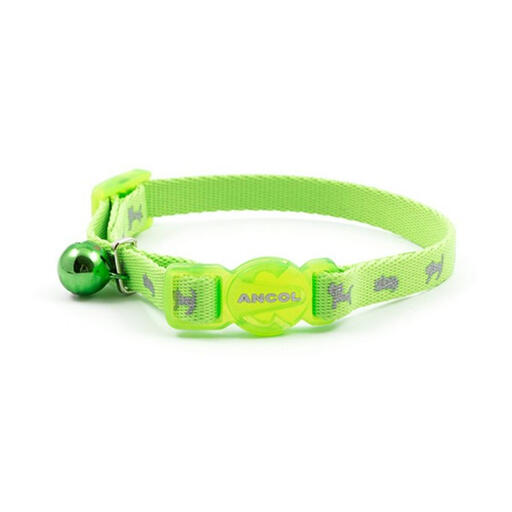
Why This Fits Their Persona: This owner prioritises safety above all else. They want peace of mind knowing their kitten is protected from common household hazards, even when they aren't looking.
It directly counters the trap of buying a generic, unsafe collar. This is a purpose-built breakaway kitten collar, not a miniature adult version.
The essential breakaway buckle releases under pressure to prevent entanglement. The hi-vis material also improves visibility around the home.
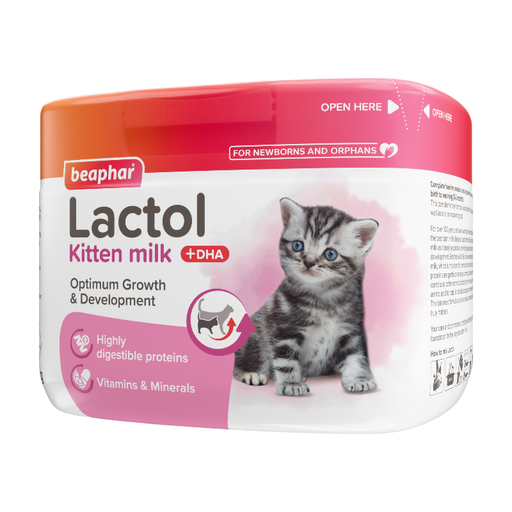
Why This Fits Their Persona: This owner may have an orphaned, weaning or underweight kitten. Their primary focus is providing the foundational nutrition needed for a healthy start in life.
This avoids the dangerous nutritional trap of using cow's milk or an improper formula. It is a complete and balanced kitten milk replacer.
Made from easily digestible whey protein and enriched with Taurine and DHA, it closely mimics a queen’s natural milk to support healthy development.
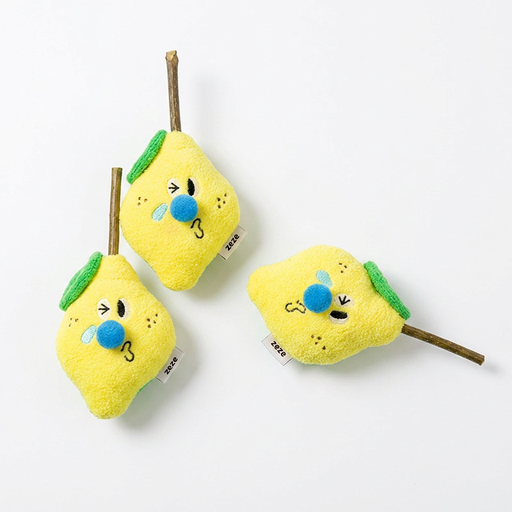
Why This Fits Their Persona: This owner wants to provide plenty of enrichment and fun. They are looking for engaging toys that will hold their kitten's attention and encourage natural behaviours like pouncing and batting.
It avoids the "boring filler toy" trap. Instead of a simple plush, it combines multiple sensory elements to keep a kitten interested for longer.
This toy offers triple stimulation with natural silvervine, catnip and crinkle paper, appealing to a kitten's sense of smell, touch and hearing.
We have compiled a complete, real-time list of products that fully satisfy these strict selection criteria and UK safety regulations.
Here are answers to a few common questions new kitten owners in the UK often ask.
Yes, absolutely. It is a common misconception that indoor cats do not need safety collars. Kittens are exceptionally curious and can easily get a collar snagged on furniture, window latches or even their own scratching posts while playing. A breakaway kitten collar is designed to unclip under pressure, preventing a dangerous situation. It is a simple and essential safety measure for any kitten, regardless of their environment.
There is no fixed timeline, but daily inspection is recommended. You should replace any toy immediately if you notice it is torn, cracked or has loose parts that could be ingested. For catnip toys or those with silvervine, the natural scent will fade over time. While the toy may still be physically safe, replacing it every few months can help maintain your kitten's interest.
This depends on the specific product, so it is crucial to read the packaging. Many specially formulated kitten treats, such as Dreamies Creamy snacks, are suitable for kittens from 8 weeks of age. When you do introduce treats, do so gradually. They should be used as a reward for training or as a special bonding moment and should not make up more than 10% of your kitten's total daily calorie intake to ensure their diet remains balanced.