Daily single-smoothie maker
You want to make one kiwi smoothie without giving much worktop or cupboard space to an appliance. A cup you can blend and drink from may suit your routine.


For one kiwi smoothie made regularly at home, start with a personal blender whose base and cup fit your kitchen routine. Choose a cordless model if you need to blend away from a socket, or consider a hand blender if you also make soups and purées. Check the exact model before adding ice or frozen fruit; a hand blender also means using a separate vessel rather than a sealed drinking cup.
You want to make one kiwi smoothie without giving much worktop or cupboard space to an appliance. A cup you can blend and drink from may suit your routine.
You may add ice, frozen fruit, greens or seeds. Check what the exact model is intended to blend, and look for independent assessments of smoothie consistency and tougher ingredients.
You make smoothies less often but also prepare soups, sauces or small puréed portions. A hand blender with a suitable beaker may make more sense than a dedicated drinking-cup blender.
Choose it when: you regularly make one smoothie at home and want a blending cup that fits your routine.
Allow for: a motor base to store and a socket near where you blend.
Choose it when: you need to make the drink away from a socket, such as at work or while travelling.
Allow for: charging as part of your routine; check the exact model's ingredient guidance.
Choose it when: the same appliance will also help with soups, sauces or small puréed portions.
Allow for: a suitable blending vessel instead of a sealed drink-and-go cup.
For one kiwi smoothie in a small kitchen, weigh the space and cup routine against any tougher ingredients you plan to add and the cleaning you are willing to do.
| Concern | What to check | Who this matters to |
|---|---|---|
| Space and single servings | Compare stored and in-use dimensions; check cup capacity and whether the chosen kit has a drinking lid. | If I make just one drink, I want the blender and cup to fit my limited space without adding another container to wash. Around 50% of consumers would put that compact, single-serve routine first. |
| Texture with added ingredients | Check the exact model's guidance for ice or frozen fruit and independent assessments of tougher blends. | When I add frozen fruit, ice or seeds to kiwi, I want to know what texture the blender can produce. Roughly 30% of consumers would make that ingredient-and-texture question their main concern. |
| Cleaning and upkeep | Confirm which cups, lids and removable parts are dishwasher-safe; follow the model's cleaning instructions. | For an everyday breakfast drink, I need washing the cup and blade parts to be manageable. About 20% of consumers would place ease of cleaning above the other concerns. |
Portability is useful away from the kitchen, but a rechargeable blender adds a charging step to a daily at-home routine.
If you usually blend at home, compare the cup workflow and storage dimensions of plug-in models before choosing cordless for its portability.
Ice, frozen fruit, greens and seeds can make a recipe more demanding. A motor figure alone does not establish the resulting texture.
Check the maker's ingredient guidance for the exact model. Which? and Good Housekeeping UK assess tougher ingredients and smoothie consistency in their blender testing.
A 2026 Office for Product Safety and Standards report identified a serious fire risk in a specific Jizya electric food blender associated with its plug fuse and mains cord. That finding does not apply to all blenders.
Check the seller, model, plug and safety information, and search the GOV.UK product-safety alerts and recalls service for the product you intend to buy.
UK guidance from the Office for Product Safety and Standards and the Department for Environment, Food & Rural Affairs describes electrical-equipment rules intended to support recovery, reuse and recycling.
When replacing a blender, check your local electrical-recycling arrangements or an available retailer take-back route.
Relevant to both plug-in personal blenders and cordless portable models.
A personal-blender brand to compare if you want a single-serving cup format rather than a full-size jug.
Its MultiQuick hand-blender range offers a different format for small portions and other food preparation.
These choices cover a cordless drinking-cup blender, plug-in blenders with single-serve options and a hand-blender alternative. Compare their cup arrangements and space requirements against how you make your kiwi smoothie.
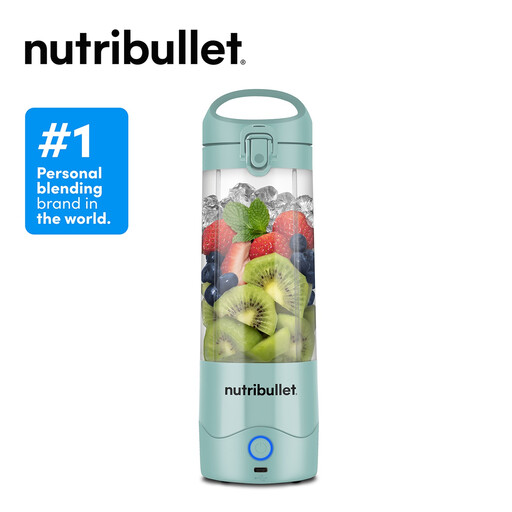 No image available
Consider this cordless format if you need to make a single drink away from a socket. The named kit has a 475ml cup, to-go lid and USB-C charging cable; allow for charging and check its dimensions against your storage space.
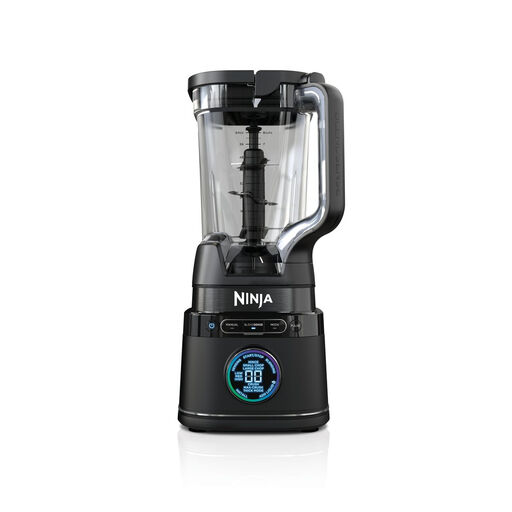 No image available
Consider this model if you want a single-serve option but may also prepare larger batches. Check that its countertop footprint fits your kitchen and that the cups' capacity and intended use suit your drinking routine.
 No image available
This plug-in personal blender is worth comparing if a cup format suits your home smoothie routine. Its named variant has a 1200W motor and 900ml cup; decide whether that cup size works for one serving and check the base dimensions before allocating space.
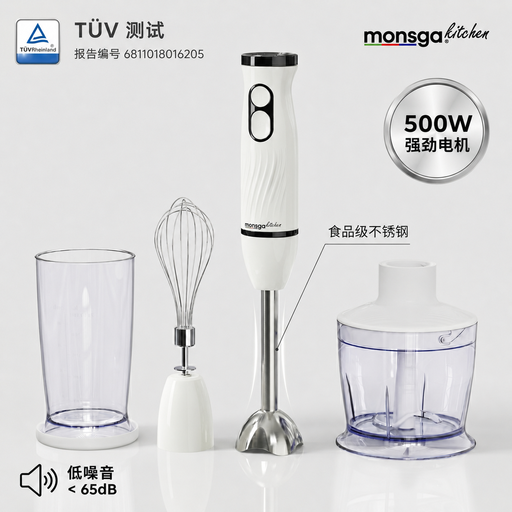 No image available
Consider a hand blender if you want a small-portion smoothie tool that can serve other food-preparation tasks. This named kit includes a 500mL beaker and 500mL chopper, with Normal and Turbo modes; use a suitable vessel and follow its guidance on adding liquid and avoiding large ice cubes.
A full-size jug is not necessary for a single serving if a personal blender's cup capacity suits you. Consider a jug format when you regularly make multiple portions or want the appliance for broader food preparation.
Check the exact blender and recipe before adding ice or frozen fruit. Ninja Kitchen UK says its QB3001UKMR variant can crush ice and describes the BC151UKBK Blast variant as suitable for frozen fruit and ice; those manufacturer statements do not establish the texture every model will produce.
A cup you can blend and drink from may mean fewer containers to wash, while dishwasher-safe components can simplify cleaning. Check each part against the exact model's instructions: Ninja Kitchen UK specifies dishwasher-safe cups for the QB3001UKMR variant, and Braun Household GB describes dishwasher-safe parts for MultiQuick 5.
Check an electrical-recycling or available retailer take-back route rather than treating the blender as ordinary residual waste. UK guidance from the Office for Product Safety and Standards and the Department for Environment, Food & Rural Affairs describes electrical-equipment rules intended to support recovery, reuse and recycling.