
24/7 Customer Support

Free returns

Same-day & Next-day Delivery

Quality Guaranteed

Unlock Your Welcome Offers: FREE Delivery | Up to 80% OFF | Free 30-day JoyPlus trial
Download the APP
Buying knives without first defining the job can lead to blunt edges, uncomfortable handles and unnecessary replacement costs. A utility knife that works well on cardboard may be unsuitable for food preparation, while a kitchen cleaver designed for vegetables should not automatically be used on bones or frozen food.
The most practical approach is to match the blade, locking system and handle to the task. This guide explains the main buying pitfalls, the specifications worth checking and a selection of knives for UK households, tradespeople, cooks and outdoor users.
“Multi-purpose” can be useful, but it does not mean one knife is suitable for all materials. Retractable knives and folding utility knives are designed for controlled cutting of materials such as packaging, carpet, paper and plasterboard. Kitchen cleavers, slicing knives and Chinese chef’s knives are shaped for food preparation instead.
Using the wrong knife can reduce control, damage the edge or increase the chance of slipping. Decide whether you need utility knives, craft knives, carpet knives, chopping knives or food-preparation tools before comparing prices.
A sharp blade is only useful when it can be held securely. Look for features such as a locking slider, lockback mechanism, folding construction or a handle with a non-slip surface. A retractable blade that can be fully enclosed when stored is also useful for toolboxes and work vehicles.
For kitchen knives, handle shape and balance matter just as much as edge sharpness. A heavy cleaver may suit repeated chopping, while a lighter slicing knife offers more control for thin cuts.
Some low-priced knives become expensive when replacement blades are difficult to find or when the blade cannot be changed safely. Check whether the product includes replacement knife blades and whether the mechanism accepts standard sizes.
For stainless-steel kitchen knives, hand washing and immediate drying can help reduce staining and corrosion. Utility knife users should remove worn segments or replace dull blades rather than applying excessive pressure.
SK5 carbon steel is commonly used for utility knife blades and is valued for its hardness and suitability for replaceable cutting edges. A thicker blade can feel more stable when cutting cardboard, foam board or carpet, but it may be less suitable for delicate craft work.
Stainless steel is widely used for kitchen cleavers, slicing knives and oyster openers because it is relatively easy to clean and offers resistance to corrosion. However, stainless steel still needs to be dried after washing. For oyster opening, a thickened blade and secure handle are more important than a fine cutting edge.
Blade size should reflect the material and movement involved:
For DIY and trade use, prioritise a blade that locks firmly in position and retracts or folds away for storage. A belt clip can make a compact tool more convenient on a worksite, while built-in blade storage reduces the need to carry loose replacements.
Handles made from ABS, TPR rubber, aluminium alloy, wood or stainless steel offer different handling characteristics. Rubber can provide added grip during repetitive cutting; wood may feel comfortable in kitchen use; aluminium and stainless steel can offer a firm, durable structure.
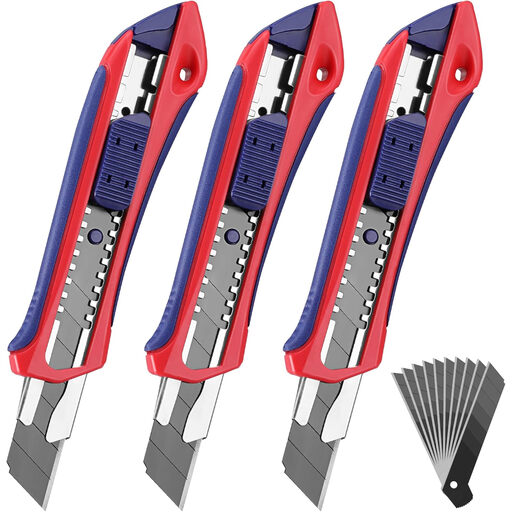
Why This Fits Their Persona: A practical starting set for home projects, parcel opening, paper cutting and craft work around the house.
It includes three cutters, a blade-locking mechanism and 10 SK5 replacement blades, reducing the need to buy separate spares immediately.
18 mm snap-off blades; ABS and TPR rubber handles; suitable for cardboard, tape, fabric and foam board.
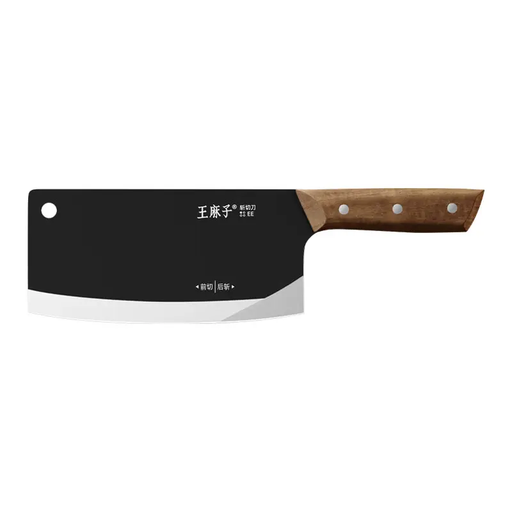
Why This Fits Their Persona: A two-knife kitchen option for cooks who prepare vegetables, meat and traditional Chinese dishes using different cutting motions.
The set separates heavier chopping from lighter slicing, instead of asking one blade to perform every kitchen task.
Two high-carbon steel knives; wooden handles; separate tools for chopping, slicing, dicing and mincing.
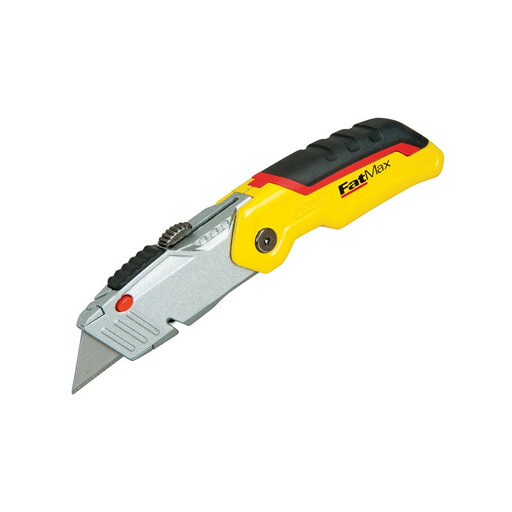
Why This Fits Their Persona: Suitable for tradespeople and DIY users handling carpet, packaging, model-making materials or electrical installation tasks.
The retractable design encloses the blade when stored, while the instant blade-change system avoids continued use of a worn edge.
Built-in blade storage; ergonomic grip; compact 140 mm length; suitable for carpet fitting and craft work.
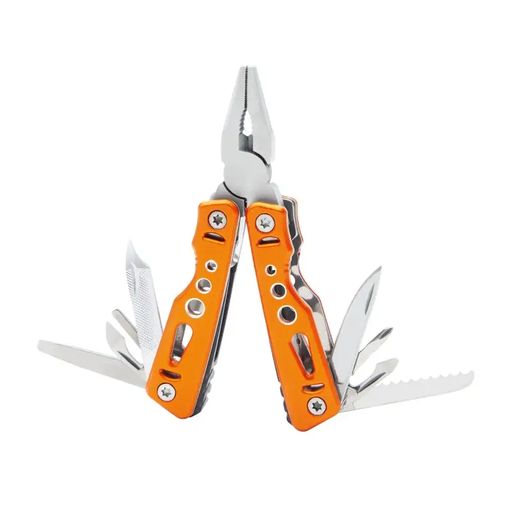
Why This Fits Their Persona: A compact option for campers, walkers, DIY users and anyone needing several basic tools in one pouch.
Its ten functions are clearly specified, so buyers can check whether the included knife, pliers, saw and screwdrivers match their intended use.
Stainless steel and aluminium construction; 10 functions; pocket pouch; compact dimensions of 10.5 x 5.7 x 1.5 cm.
We have compiled a complete, real-time list of products that fully satisfy these strict selection criteria and UK safety regulations.
Always retract or fold utility blades when they are not in use, and store replacement knife blades in a secure container. Keep sharp tools away from children and inspect handles, locks and blades for damage before use.
When carrying a folding knife or multi-tool in public, check current UK law and ensure you have a lawful reason. Do not assume that every folding knife is automatically permitted. Kitchen cleavers, oyster openers and other sharp tools should be transported securely and used only for their intended purpose. Some products may also have age restrictions, so check the listing before purchase.
Replace a blade when it becomes dull, chipped, bent or difficult to control. For snap-off craft and utility knives, remove the used segment according to the manufacturer’s instructions. A fresh edge generally requires less force, which can improve control and reduce material damage.
They can be, provided the model is designed for utility use and has a secure lock, suitable blade and comfortable grip. A dedicated carpet knife or retractable folding knife is generally more appropriate than a small decorative pocket knife. Use a stable cutting surface and retract the blade after every cut.
A cleaver typically has a wider, deeper blade designed for chopping, dicing and preparing larger ingredients. A slicing knife is usually lighter and more manoeuvrable for producing thinner, controlled slices. Choose according to your food preparation habits rather than relying only on blade length or appearance.