
24/7 Customer Support

Free returns

Same-day & Next-day Delivery

Quality Guaranteed

Unlock Your Welcome Offers: FREE Delivery | Up to 80% OFF | Free 30-day JoyPlus trial
Download the APP
Konjac noodles can make a useful alternative to wheat pasta, rice noodles and traditional udon when you want a lighter meal. However, product descriptions often make similar promises, while the actual texture, preparation method, drained quantity and nutritional values can vary considerably.
Before adding konjac noodles to your basket, check more than the front-of-pack calorie figure. These practical points can help you avoid common buying mistakes and choose a product suited to your cooking habits.
Many konjac products are packed in water, so the headline weight is not necessarily the drained serving size. For example, a 375g pack of Yutaka Japanese-Style White Shirataki Noodles has a 170g drained weight, while a 250g pack of Haidilao Silk Konjac Thousand has a 110g drained weight.
Always compare the drained quantity when working out value for money. Two packs with similar front-of-pack weights may provide very different amounts after draining.
Some shirataki noodles are pre-cooked and only need rinsing and heating. Others require boiling before serving. Skipping the recommended preparation can leave an unpleasant odour or a firmer texture than expected.
Preparation instructions also differ. Some products recommend rinsing for two to three minutes, while others advise blanching for one to five minutes before cooling or adding to a dish.
Konjac noodles are generally translucent, springy and relatively neutral in flavour. They work by absorbing sauces, stocks and seasonings rather than providing the same starchy taste as pasta. Their texture may suit soups, stir-fries and hot pot particularly well, but it will not be identical to conventional noodles.
For a more satisfying meal, combine them with vegetables, tofu, eggs, meat or another suitable protein, depending on your dietary preferences.
Konjac products are commonly selected as low-calorie noodles, keto noodles or low-carb noodles, but the figures are not identical across the category. Yutaka Japanese-Style White Shirataki Noodles list 10 kcal and 1.2g carbohydrate per 100g, while Yuho Konjac Udon Noodles list 6 kcal and 1.5g carbohydrate per 100g.
Check the complete nutrition panel rather than relying on terms such as “light” or “diet-friendly”. If fibre is important to you, compare the listed fibre value too: Yutaka’s product provides 2.8g per 100g according to its product information.
The shape affects how the noodles perform in a recipe:
Look for product information describing the texture as springy, chewy or elastic if you prefer a firmer bite. Remember that texture descriptions are not a guarantee of personal preference.
Common ingredients include water, konjac flour or powder and a firming agent such as calcium hydroxide or E526. Some products also contain seaweed powder, starch or stabilisers. Read the full ingredients list if you follow a vegan, gluten-free or allergen-avoidance diet.
Several products in this selection list no allergens, but you should still check the packaging supplied with your order. Storage also matters. Unopened products may be shelf-stable in a cool, dry cupboard, whereas opened packs generally need refrigeration and prompt consumption. Follow the individual label rather than assuming all konjac noodles have the same shelf life.
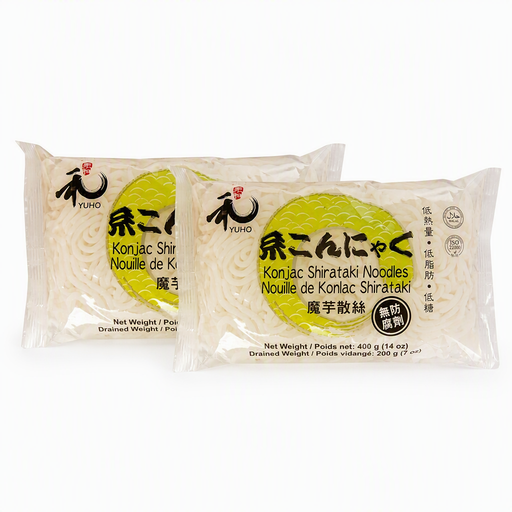
Why This Fits Their Persona: The two-pack gives newcomers a practical way to try shirataki noodles for soups, stir-fries, salads and hot pot without committing to a single small pack.
The listing clearly states a 400g ×2 net quantity and gives a rinse-and-boil method, helping you compare usable portions and preparation time.
Lists 12 kcal and 2.5g carbohydrate per 100g; suitable for cold dishes, hot pot, stir-fries and soups.
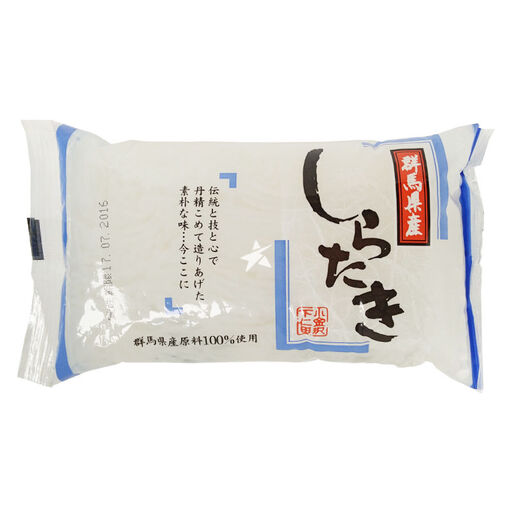
Why This Fits Their Persona: A larger drained portion and classic white shirataki format suit shoppers looking for a substantial Japanese-style noodle alternative for home cooking.
The listing provides both the 420g pack size and an approximate 200g drained weight, plus storage guidance for opened packs.
Lists 10 kcal per 100g; the ribbon-like noodles are described as springy and suitable for sauces, broths and seasonings.
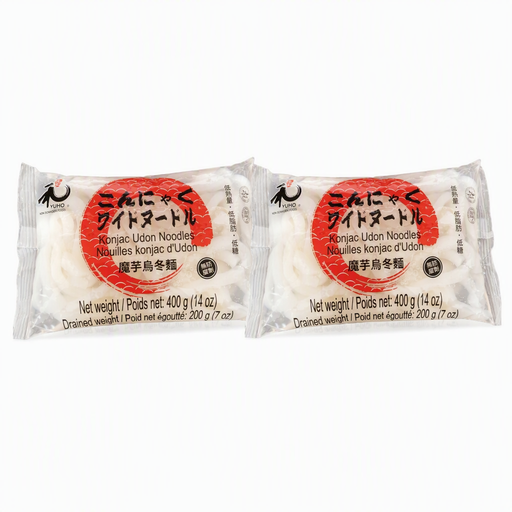
Why This Fits Their Persona: The twin 400g packs are practical for regular noodle soups, stir-fries, mala tang or konjac noodles for hot pot.
Its product information specifies rinsing after opening and refrigeration, so frequent users can plan storage rather than leaving an opened pack unused.
Lists 6 kcal and 1.5g carbohydrate per 100g; thicker udon-style noodles provide a different bite from fine shirataki.
We have compiled a complete, real-time list of products that fully satisfy these strict selection criteria and UK safety regulations.
Dry-frying rinsed noodles briefly in a clean pan can remove excess moisture before adding sauce. For cold salads, cool the noodles after boiling and mix with dressing, vegetables and herbs.
Many are made from water and konjac flour and list no allergens, making them suitable for some vegan and gluten-free diets. Nevertheless, recipes and formulations differ. Check the ingredients and allergen statement on each product before purchase, particularly if you have a diagnosed allergy or strict dietary requirement.
Unopened packs may be stored in a cool, dry place when the packaging says they are shelf-stable. Once opened, many products require refrigeration and prompt consumption. The exact time varies, so follow the label instructions rather than keeping leftovers for several days by default.
They can replace pasta or noodles in soups, stir-fries, salads and some saucy dishes, but their springy texture and neutral flavour are different from wheat pasta. Choose konjac udon noodles for thicker noodle dishes or fine shirataki noodles when you want a lighter option for broth and stir-fry recipes.