
24/7 Customer Support

Free returns

Same-day & Next-day Delivery

Quality Guaranteed

Unlock Your Welcome Offers: FREE Delivery | Up to 80% OFF | Free 30-day JoyPlus trial
Download the APP
Konjac products can be useful additions to a low-calorie meal plan, a plant-based pantry or a quick Asian-inspired snack selection. However, attractive packaging and phrases such as “healthy choice” do not always tell you what you need to know before buying.
The main differences are often hidden in the drained weight, preparation instructions, seasoning and allergen information. A plain konjac noodle may contain very little energy per 100g, while a flavoured snack can contain considerably more salt, oil or carbohydrate from added starches. This guide explains what to check and matches different product formats to practical shopping needs in the UK.
Konjac noodles and hot-pot ingredients are commonly packed in water. The number printed on the front may be the total pack weight, rather than the drained serving weight. For example, Shimonita Shirataki Shiro is a 420g pack with an approximately 200g drained weight.
Always compare the drained weight where it is provided. This gives a more realistic idea of portion size, value and how much food will be available after draining.
Some ready-to-eat konjac snacks can be opened and consumed immediately. Many noodles, knots and hot-pot ingredients cannot. They may need rinsing, blanching or boiling to remove their packing liquid and improve the texture.
Check the usage instructions carefully. Products such as konjac knots, konjac skin and konjac “thousand-layer” ingredients are intended for cooking, not direct consumption.
Plain konjac noodles can be very low in energy, but flavoured konjac snacks often include oil, starch, sugar and strongly seasoned sauces. Salt can also be significant: one listed sour and spicy konjac snack provides 8.2g of salt per 100g, according to its product information.
For everyday shopping, compare the full nutrition table rather than relying on front-of-pack wording. People managing allergies should also inspect the bold allergen declaration, particularly for soya, sesame, peanuts, wheat and sulphites.
Choose the shape according to how you plan to use it:
Look for instructions such as “rinse and blanch for 1–2 minutes” or “boil for 3–5 minutes”. This is more useful than a general description of texture.
For plain products, compare energy, carbohydrate, fat, protein and salt per 100g, then consider the drained portion. Shimonita Shirataki Shiro lists 10 kcal and less than 1g carbohydrate per 100g, while YUHO Konjac Board with Seaweed lists 7 kcal per 100g.
Flavoured items vary considerably. A spicy or sesame sauce can alter the calorie and salt content, even when the main ingredient is konjac. If you follow a keto or low-carb diet, check whether the product contains tapioca starch, corn starch, wheat-based seasoning or added sugar.
Plain konjac products often contain water, konjac flour and a firming agent such as calcium hydroxide or E526. Flavoured snacks may contain several additional ingredients and food additives.
Before purchasing, check:
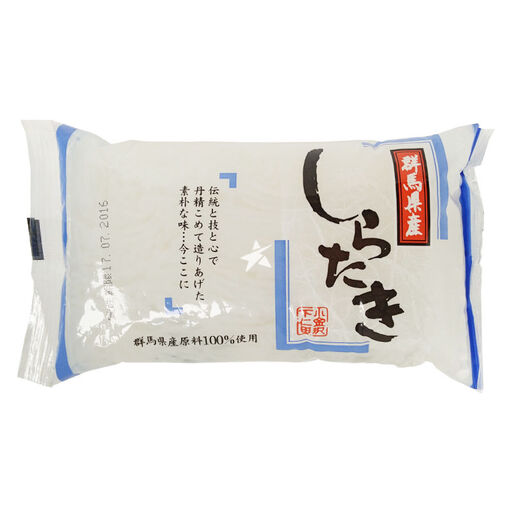
Why This Fits Their Persona: A straightforward starting point for shoppers who want a plain noodle alternative for weeknight meals, pasta-style dishes or stir-fries.
The listing states both total pack weight and approximate drained weight, helping buyers judge the usable quantity.
10 kcal per 100g as listed; vegan, gluten-free and suitable for sauces, broths and seasonings.
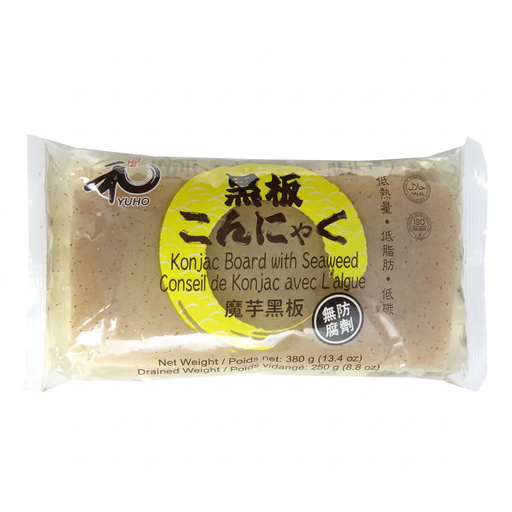
Why This Fits Their Persona: A versatile choice for cooks who value a distinctive format and want one ingredient for hot pot, cold dishes and stir-fries.
The product clearly states that cooking is required, so it is less likely to be mistaken for a ready-to-eat snack.
7 kcal per 100g as listed; black, seaweed-containing pieces with a stated 1–2 minute boiling option.
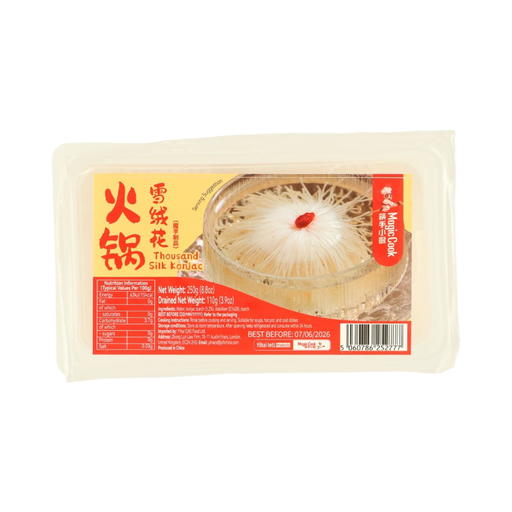
Why This Fits Their Persona: Suited to hot-pot fans and households that regularly prepare soups or cold dishes with ingredients that hold broth well.
It states the 110g drained weight and confirms that rinsing and cooking are required.
15 kcal per 100g as listed; smooth, chewy layers designed to absorb broth.
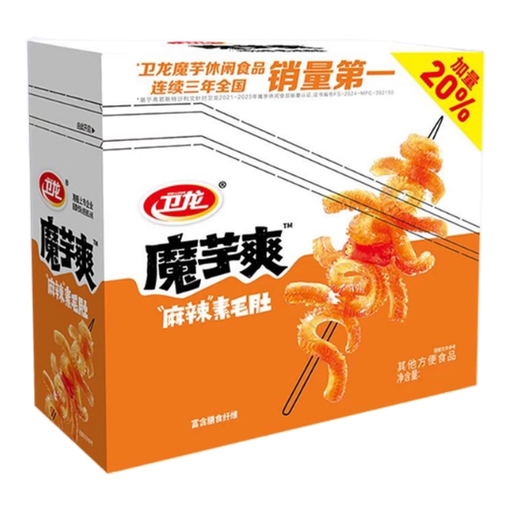
Why This Fits Their Persona: A convenient option for fans of Sichuan konjac snacks who want individually packed portions for work, travel or sharing.
The listing identifies the ready-to-eat format, 20 individual packs and soya and sesame allergens.
117 kcal and 5.0g salt per 100g as listed; individually packed and seasoned with chilli and Sichuan pepper.
We have compiled a complete, real-time list of products that fully satisfy these strict selection criteria and UK safety regulations.
Plain konjac noodles can contain very little energy and carbohydrate per 100g, depending on the product. They are not identical to wheat pasta in flavour or texture, so rinsing, blanching and pairing them with a well-seasoned sauce can improve the meal. Always check the individual nutrition panel, particularly where starch has been added.
Drain and rinse them first. Many products recommend briefly blanching or boiling, then draining thoroughly before adding them to a sauce, soup or hot pot. Follow the specific packaging instructions, as cooking times vary between noodles, knots, sheets and layered formats.
Storage varies. Some products require refrigeration and prompt consumption after opening, while ready-to-eat snacks should be kept sealed and consumed soon after opening. Use the product’s stated storage and consumption guidance rather than assuming all konjac products have the same lifespan.