
24/7 Customer Support

Free returns

Same-day & Next-day Delivery

Quality Guaranteed

Unlock Your Welcome Offers: FREE Delivery | Up to 80% OFF | Free 30-day JoyPlus trial
Download the APP
As a Joybuy Product Recommendation Officer, my role is to help you navigate the crowded market of modern foods. Today, we're looking at konjac snacks, a popular choice for those seeking flavourful, plant-based and often low-calorie options. These chewy snacks, originating from East Asia, have become a firm favourite in the UK.
However, not all konjac snacks are created equal. Many shoppers find themselves disappointed, having fallen for common marketing pitfalls. Before you add to your basket, let's look at what to watch out for.
vegan tripe snack, promising a satisfyingly chewy texture. The reality can be a letdown. Some snacks are overly rubbery, while others are disappointingly soft or mushy. The term "tripe-like" is subjective, and without understanding the product's composition, you're gambling on the texture.hot and sour snack or a rich sesame konjac delight. Unfortunately, some snacks deliver a flat, one-note taste, often just an overwhelming blast of chilli heat or saltiness with none of the promised aromatic depth.To avoid disappointment and find a snack that truly satisfies, focus on these key details before you buy.
The final texture of a konjac snack is determined by how it's made. The key is the konjac flour percentage and its physical shape.
vegetarian tripe style. The thin, ruffled strips provide a uniquely chewy snack experience that combines softness with a slight resistance.Check the ingredients list for the konjac flour percentage. While not always listed, a higher content generally suggests a more authentic, firm texture.
A truly delicious spicy konjac snack has more than just heat. To find one with a rich and layered taste, scan the ingredients for aromatic components.
Chinese snacks.To make an informed choice about low calorie snacks, always compare the nutritional information per 100g. This gives you a standardised way to assess the calories, fat, sugar and salt content across different brands and pack sizes. A snack might seem low-calorie "per pack," but if the pack is only 15g, the numbers can be deceptive. Comparing the 100g values gives you the true story.
Based on these practical criteria, here are some recommendations tailored to different preferences, helping you find the right fit for your snacking style.
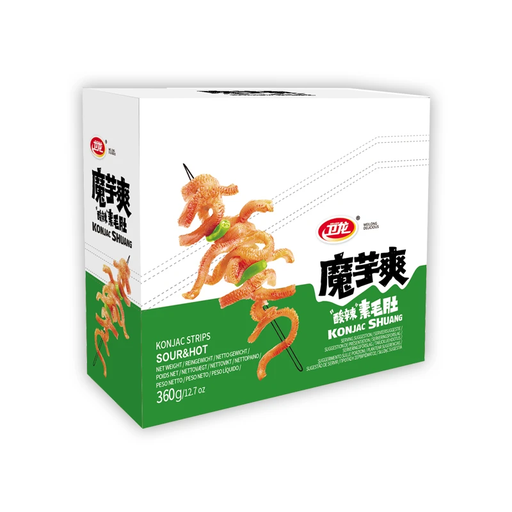
Why This Fits Their Persona: This is for the snacker who wants an unapologetically bold and authentic Sichuan-style flavour. The combination of sour and spicy notes is a hallmark of many popular Chinese snacks and is ideal for those who enjoy intense, stimulating tastes.
It avoids the one-dimensional flavour pitfall by using pickled chilli and pickled ginger, which provide a complex, tangy heat rather than just saltiness. The texture is a classic chewy strip, delivering on the 'vegetarian tripe' promise.
Authentic hot and sour snack profile. Individually wrapped packs make it a convenient ready to eat snack for on the go.
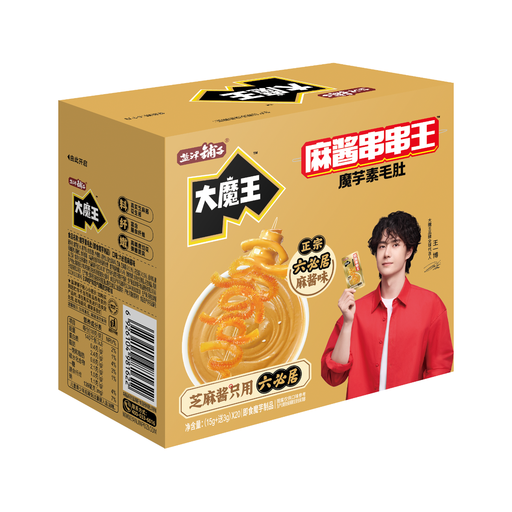
Why This Fits Their Persona: Perfect for the UK foodie who is looking for more than just spice. This snack focuses on the rich, nutty and deeply savoury notes of sesame paste and peanut, offering a different dimension to the world of Asian snacks UK.
This snack sidesteps the pitfall of one-dimensional flavour. The ingredients list clearly shows sesame paste (2.5%) and peanut (2.5%), ensuring a genuine, creamy and nutty taste profile that complements the spice.
Rich, nutty and savoury flavour profile. The satisfyingly chewy texture provides a great base for the thick sesame sauce.

Why This Fits Their Persona: This option is well-suited for those who are actively looking for low calorie snacks but don't want to compromise on flavour. It allows for a satisfying, spicy treat without a high calorie count, fitting well into a health-conscious lifestyle.
It directly counters the "hidden calories" trap. The nutritional information is clear, showing just 84 kcal per 100g, one of the lower values available, confirming its status as a genuinely lighter option.
Verifiably low in calories and fat. The authentic red chilli oil flavour provides a rich taste without relying on excessive sugar.
We have compiled a complete, real-time list of products that fully satisfy these strict selection criteria and UK safety regulations.
Vegetarian tripe made from konjac does not taste of anything on its own. Its appeal lies entirely in its texture and ability to absorb flavours. The texture is typically firm, springy and gelatinous with a satisfying chewiness. It doesn't fall apart in your mouth but provides a pleasant resistance, making it a unique carrier for the spicy, sour or savoury sauces it's packed in.
Konjac itself is a plant-based ingredient that is very high in a soluble fibre called glucomannan and contains almost no calories. This makes the base of the snack a good starting point. However, the overall healthiness depends on the finished product. As a low calorie snack, many options are excellent, but it is important to check the sodium and sugar content on the nutritional label, as these can be high in some heavily seasoned varieties.
Most ready to eat snacks like these come in a large bag containing multiple, individually sealed small packs. As long as the individual sachets are unopened, you can store them in a cool, dry cupboard. Once an individual sachet is opened, it should be consumed immediately. If you buy a large, single-pack format, it's advisable to refrigerate any leftovers in an airtight container and consume them within a day or two.