
24/7 Customer Support

Free returns

Same-day & Next-day Delivery

Quality Guaranteed

Unlock Your Welcome Offers: FREE Delivery | Up to 80% OFF | Free 30-day JoyPlus trial
Download the APP
From vibrant K-dramas to sizzling Korean BBQ nights, the cultural wave from South Korea has firmly landed in the UK. With it comes a fascinating world of Korean alcohol, offering a diverse range of flavours and experiences. However, navigating the growing selection online can be tricky. Many first-time buyers find themselves with a drink that doesn't match their expectations, either because it's unexpectedly strong or surprisingly sweet.
As the Joybuy Product Recommendation Officer, my role is to help you understand the landscape. Let's cut through the clutter and look at the common pitfalls to avoid when you decide to buy Korean drinks online in the UK.
To make a confident choice, focus on a few core parameters rather than just the bottle's design.
The alcohol content is the most direct indicator of a drink's character and intended use.
Korean alcohol isn't just one thing. The main categories you'll encounter are:

Why This Fits Their Persona: This is the go-to choice for social gatherings, student parties or introducing friends to Korean drinks. Its sweet, candy-like green grape flavour and moderate 13% ABV make it incredibly approachable and easy to drink for a crowd.
It sidesteps the "one-size-fits-all" myth by being unapologetically a flavoured soju. You know you're getting a sweet, fruity and lower-alcohol drink, which is exactly what's needed for a party setting.
Its widespread popularity means it's a crowd-pleaser. The flavour is distinct and refreshing when served chilled and it's versatile enough to be mixed with lemonade or sparkling water.
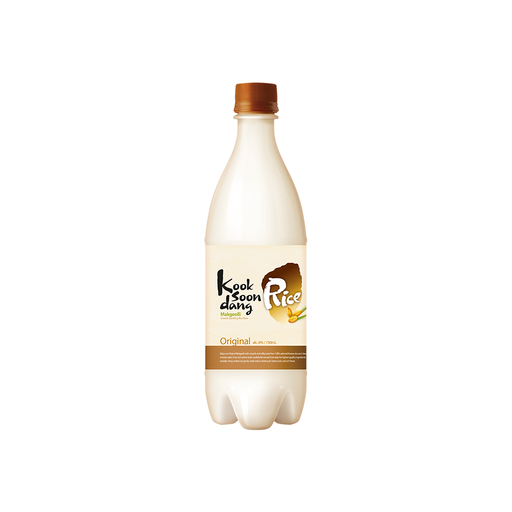
Why This Fits Their Persona: For those hosting a Korean BBQ or enjoying a spicy kimchi stew, this traditional makgeolli is an authentic choice. Its creamy texture, gentle tang and light effervescence cut through rich and spicy foods, cleansing the palate beautifully.
This avoids the "mismatched pairing" pitfall. Instead of a sweet soju that clashes with savoury food, this traditional Korean rice wine provides a balanced, complementary flavour that enhances the dining experience.
It offers an authentic taste of Korea's oldest alcoholic beverage. The 6% ABV is low enough for easy mealtime drinking and the natural sediment (which should be gently mixed) adds to its rustic character.
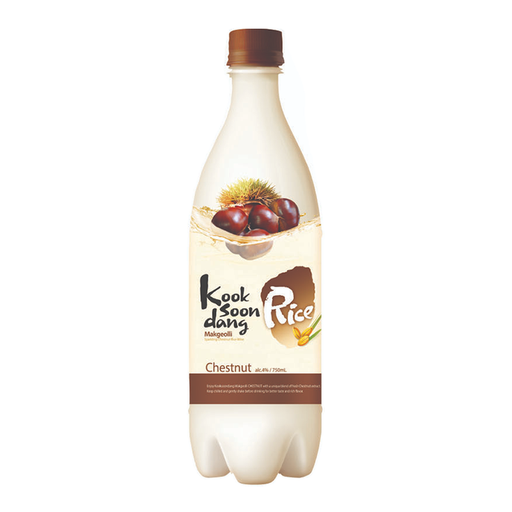
Why This Fits Their Persona: For those who have tried the standard fruit flavours and want something different, this chestnut-infused makgeolli from Kooksoondang makgeolli is an excellent discovery. It offers a unique, nutty and subtly sweet profile that is both comforting and sophisticated.
It helps you break free from the common flavour rut. By choosing a more unusual ingredient like chestnut, you're deliberately exploring the depth of the makgeolli category beyond the obvious choices.
The warm, earthy sweetness of roasted chestnut is beautifully balanced with the classic tangy makgeolli base. At just 4% ABV, it's a smooth, creamy and memorable drink that pairs well with savoury pancakes or grilled meats.
We have compiled a complete, real-time list of products that fully satisfy these strict selection criteria and UK safety regulations.
The traditional way to drink soju is neat and chilled. It's typically poured into small, specialised shot glasses and sipped or taken as a shot, especially in social settings. For a longer, more refreshing drink, flavoured soju is excellent when mixed with soda water, lemonade or used as a base in cocktails. A popular mix in Korea is somaek (??), a combination of soju and beer.
The primary difference is in their production and final form. Soju is a clear, distilled spirit, much like a milder, often slightly sweeter version of vodka. Makgeolli is an unfiltered, fermented rice wine. This gives it a milky, cloudy appearance, a lower alcohol content (typically 3-8%), a creamy texture and a tangy flavour profile. Think of soju as a spirit and makgeolli as a rustic, sparkling wine.