
24/7 Customer Support

Free returns

Same-day & Next-day Delivery

Quality Guaranteed

Unlock Your Welcome Offers: FREE Delivery | Up to 80% OFF | Free 30-day JoyPlus trial
Download the APP
Thinly sliced beef makes Korean barbecue, yakiniku, hot pot and quick stir-fries convenient for UK households. However, choosing the right pack is not simply a matter of selecting the largest weight or the product with the most impressive wording on the label. Cut, thickness, fat distribution, storage and cooking instructions all affect the result.
This guide explains what to check before buying Korean BBQ beef slices, with practical recommendations for family meals, barbecue gatherings, hot pot and restaurant-style cooking at home.
Very thin sliced beef for hot pot is designed to cook in seconds in boiling broth. It can also work in stir-fries, but may tear or overcook quickly on a barbecue grill.
Conversely, thicker beef slices for grilling are more suitable for browning and developing a seared surface. If you want beef yakiniku slices or Korean BBQ beef for a tabletop grill, check the stated thickness and cooking method rather than relying on the product photograph.
A 1kg pack can offer useful value for a family or catering service, but it may not be the most convenient option for a smaller household. Smaller 200g or 400g packs can reduce waste and make portion planning easier.
Also check whether the slices are individually separated, stacked or frozen together. Neatly arranged slices are easier to portion, thaw and place on a grill without handling the entire pack.
Breed and marbling can provide useful information, but they do not replace checking the cut and intended use. Boneless beef short ribs, feather blade, flank and rib fingers have different textures and cooking requirements.
For marinated beef bulgogi, also inspect the ingredient list and allergen declaration. Soy, wheat and sesame are common in Korean-style marinades and seasonings. Plain beef gives you more control over salt, sweetness and spice.
Thin slices cook rapidly but can dry out if left on high heat for too long. For a barbecue or yakiniku meal, a thicker cut around 3–4mm can be easier to turn and brown. Ruston Choice BBQ slices, for example, are described as approximately 3.5mm thick.
Cross-cut, bone-in BBQ beef ribs offer a different eating experience from boneless slices. The bone can add visual appeal to a barbecue platter, while boneless cuts are generally simpler for portioning and serving.
Most of the products below are sold frozen and should be kept at -18°C or below. Defrost in the refrigerator where possible, follow the pack instructions and do not refreeze after thawing.
Raw beef must be cooked thoroughly before eating. Use separate utensils and plates for raw and cooked meat, wash hands and surfaces after preparation and follow the product’s stated core-temperature guidance. Always check the packaging because instructions and dates can change.
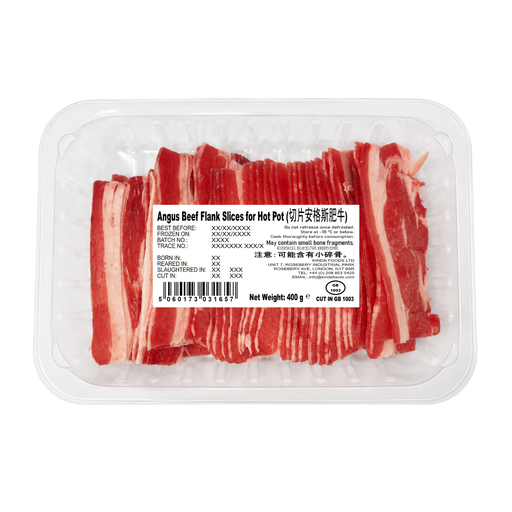
Why This Fits Their Persona: A manageable 400g pack for first-time buyers, couples or smaller family meals. The thinly sliced format is designed for hot pot and shabu-shabu-style cooking.
The product description clearly identifies the flank cut, thin slice format, frozen storage and 400g net weight, making its intended use easier to assess.
100% beef; suitable for hot pot and quick cooking; country of origin listed as the United Kingdom/Ireland.
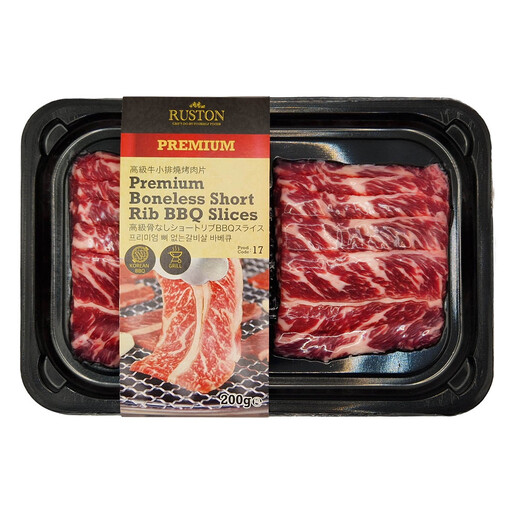
Why This Fits Their Persona: A compact barbecue-focused pack for shoppers who prioritise a more substantial bite and visible fat distribution over a large quantity.
The listing specifies boneless short rib, approximately 3.5mm slices and a grilling method, rather than leaving buyers to guess whether it is intended for broth or barbecue.
100% beef; no marinating required according to the listing; suitable for grill or pan-frying.
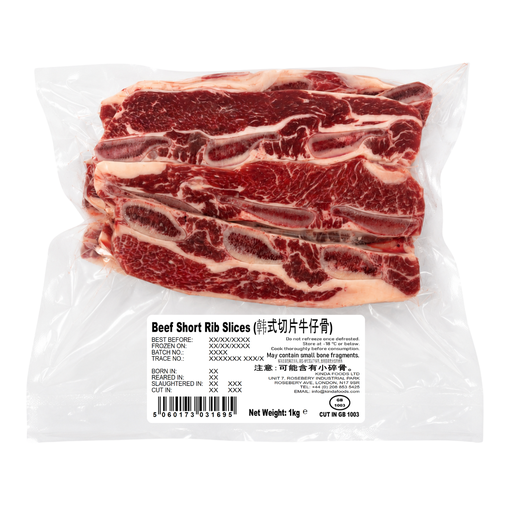
Why This Fits Their Persona: A 1kg format for barbecue hosts, larger households, catering preparation or restaurants needing a practical supply of Korean-style beef.
The listing identifies the cut, 1kg quantity, intended Korean BBQ use and frozen-storage requirement, helping heavy users plan portions and freezer space.
100% beef; pre-sliced for Korean BBQ, grilling and stir-frying; suitable for family gatherings and catering.

Why This Fits Their Persona: Suitable for households that regularly prepare hot pot but also want one pack for stir-fries, rice bowls and occasional grilling.
Its stated purpose is hot pot, so shoppers are less likely to mistake an ultra-thin roll for a thick grilling cut.
800g pack; evenly sliced; suitable for hot pot, stir-frying and grilling; frozen at -18°C or below.
We have compiled a complete, real-time list of products that fully satisfy these strict selection criteria and UK safety regulations.
For grilling, thaw the unopened pack in the refrigerator, pat the slices dry and preheat the grill or pan thoroughly. Cook in small batches so the surface stays hot. Thicker short rib slices may need around one to two minutes per side, while very thin slices can cook faster.
For hot pot, separate the slices before serving and swish them through boiling broth until fully cooked. Avoid placing raw beef on serving plates used for cooked food.
Some are. Flank, brisket-style slices and hot pot beef rolls are generally designed for rapid boiling. Thicker short rib or barbecue slices may be better suited to grilling, although the packaging should always take priority.
“Beef short rib slices” describes the cut, while “beef yakiniku slices” usually describes a thin, grill-friendly preparation. Short ribs can be sliced for yakiniku, but not every short rib product has the same thickness or cooking instructions.
The products listed generally state that they should not be refrozen after defrosting. Defrost only the amount required, keep it chilled and follow the storage guidance on the packaging.