
24/7 Customer Support

Free returns

Same-day & Next-day Delivery

Quality Guaranteed

Unlock Your Welcome Offers: FREE Delivery | Up to 80% OFF | Free 30-day JoyPlus trial
Download the APP
Korean BBQ food can turn a family dinner, garden barbecue or hot pot gathering into a social meal. However, choosing the right ingredients is not always straightforward. Product descriptions may highlight “premium” flavour while giving little detail about the cut, storage or preparation requirements.
Three common buying pitfalls are worth checking before adding Korean BBQ meat or sauces to your basket:
For quick tabletop grilling, look for thinly sliced Korean BBQ beef, feather blade, brisket-style slices or short rib slices. Thin meat cooks in a short time and works well with a hot plate, frying pan or hot pot.
For a more substantial barbecue, consider beef short ribs, rib fingers or thick-cut Wagyu short ribs. These cuts contain more fat and connective tissue, which can provide a juicy, chewy texture when grilled correctly. They may require a longer cooking time than thin bulgogi slices.
If convenience is the priority, ready-to-cook products remove much of the preparation. Pre-marinated beef bulgogi, spicy pork bulgogi and Korean BBQ skewers can go directly into a pan, oven, air fryer or onto a grill, subject to the label instructions.
A Korean BBQ seasoning is usually a dry blend. For example, McCormick Korean Barbecue Seasoning is supplied in a 35g sachet and is mixed with 90ml of water to create a marinade. It contains wheat, soybeans and sesame, so it is important to check the allergen information before use.
A bottled Korean BBQ sauce is more flexible. Korean Street Namsan BBQ Sauce 260ml is described as ready to use for marinating, dipping or topping. Kikkoman Teriyaki BBQ Sauce Korean Style can be used as a marinade, glaze or dip, while CJ Beksul Kalbi Beef Rib Sauce is designed for Korean-style beef rib dishes.
Look at the sugar and salt values if you are planning to use a large quantity. Sauces often contain sweeteners, fruit purées or syrups to create a glossy, caramelised finish. Apply sugary sauces towards the end of grilling to reduce the chance of burning.
Frozen beef should generally be kept at -18°C or below, defrosted thoroughly in the refrigerator and not refrozen after thawing. Chilled marinated meat should remain refrigerated at the temperature stated on the packaging.
Raw meat must be kept separate from ready-to-eat food. Wash hands, chopping boards and utensils after handling it, and cook until piping hot throughout. Some products specify a core temperature, such as above 70°C or 75°C, depending on the item. Follow the product label rather than relying only on cooking time.
For Korean BBQ skewers, check whether they are raw, cooked or simply seasoned. HG Walter Beef Korean Skewers, for example, are chilled and require cooking. Myprotein Korean BBQ Chicken Skewers are frozen and described as already cooked, but still require thorough reheating.
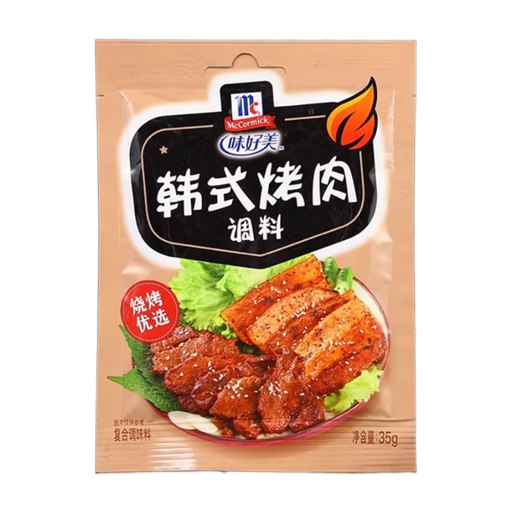
Why This Fits Their Persona: A compact sachet is useful for first-time cooks who want to try Korean BBQ flavours without buying several separate spices.
The instructions clearly state that it must be mixed with water and cooked, avoiding confusion with a ready-to-eat dipping sauce.
Pre-mixed seasoning; suitable for beef or pork marinades; 35g format is convenient for occasional use.
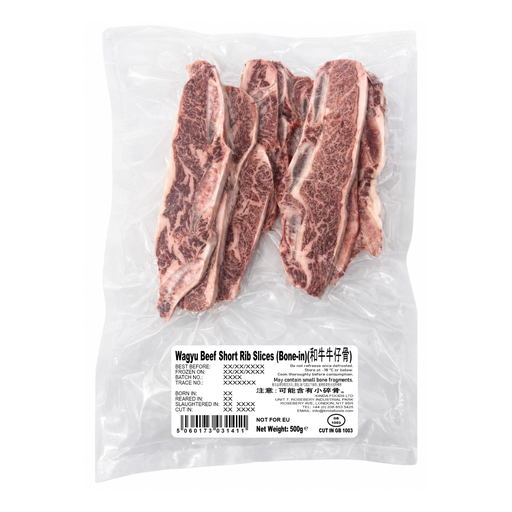
Why This Fits Their Persona: A 500g pack of British Wagyu beef short ribs suits shoppers planning a focused weekend barbecue or a special shared meal.
The listing identifies the cut, bone-in format, pack size and frozen storage requirement, giving a clearer expectation than vague premium wording alone.
100% British Wagyu beef; thick-cut short ribs; suitable for grilling, pan-searing, griddling or oven finishing.
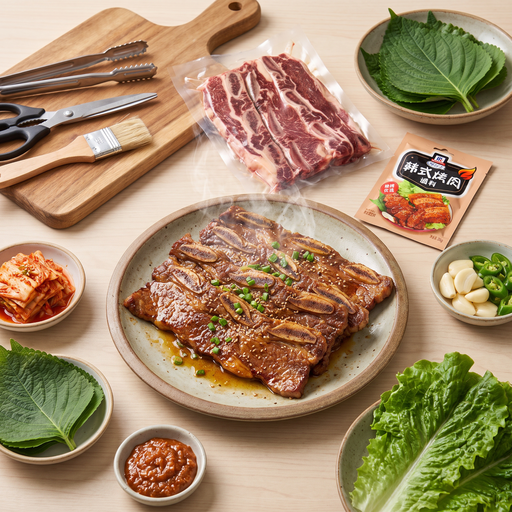
Why This Fits Their Persona: The 1kg beef pack and accompanying seasoning are practical for larger households, caterers, restaurants or repeated barbecue gatherings.
The set combines clearly portioned beef with a separate marinade base, making it easier to plan quantities and flavour the meat consistently.
1kg family or catering size; thinly sliced short ribs; seasoning instructions supplied; frozen storage supports meal planning.

Why This Fits Their Persona: Pre-marinated beef bulgogi is suited to busy UK households wanting a Korean-style meal without mixing a separate Korean BBQ marinade.
The product is presented as ready to cook, while its chilled storage and cooking requirements are stated clearly for safer meal planning.
400g pack; suitable for stir-frying, grilling, rice bowls or wraps; includes soy, sesame, garlic, pear and aromatic seasonings.
We have compiled a complete, real-time list of products that fully satisfy these strict selection criteria and UK safety regulations.
Pair Korean BBQ meat with steamed rice, lettuce leaves, spring onions, mushrooms or kimchi. A ready-to-use sauce can be served separately for dipping, while a Korean galbi sauce is more suitable for beef ribs and other substantial cuts. For a mixed spread, combine beef bulgogi, spicy pork bulgogi and Korean BBQ skewers so guests can choose different textures and spice levels.
Sauces can also be used beyond the grill. Try them with tofu, mushrooms, roast vegetables, noodles or rice bowls, but remember that products containing soy, wheat or sesame are not suitable for everyone.
Beef short ribs, thinly sliced beef, brisket-style slices and beef bulgogi are common choices. Pork belly, spicy marinated pork and chicken skewers are also suitable. Select thin slices for quick cooking and thicker rib cuts when you want a more substantial grilled portion.
Many bottled sauces are suitable for marinating, glazing or dipping, but check the label first. Dry seasoning sachets usually need to be mixed with water or another liquid. Do not reuse marinade that has touched raw meat unless it is cooked thoroughly.
For a shared meal, plan the quantity around the number of side dishes and other proteins being served. A 400g pack can suit a smaller household meal, while a 1kg pack is more practical for a larger gathering, catering use or a menu built around several rounds of grilling. Always check the net weight and whether the product is sold chilled or frozen before ordering.