
24/7 Customer Support

Free returns

Same-day & Next-day Delivery

Quality Guaranteed

Unlock Your Welcome Offers: FREE Delivery | Up to 80% OFF | Free 30-day JoyPlus trial
Download the APP
A bottle of Korean BBQ sauce can save time on busy weeknights, but choosing one by its front-label claims alone can lead to disappointing meals. Some sauces are designed for a specific meat, while others are general-purpose marinades, dipping sauces or sweet glazes. The difference affects flavour, cooking results and value for money.
This guide from the Joybuy Product Recommendation Officer explains what to check before buying, from ingredients and allergens to pack size and intended use.
A Korean beef BBQ sauce is often sweeter and fruitier, with pear or apple, soy sauce, garlic and onion. A Korean pork BBQ sauce may include chilli paste or red pepper seasoning for a stronger, warmer flavour. Using a mild bulgogi sauce on pork belly may produce a pleasant result, but it may not provide the bold flavour expected from a pork marinade.
Check whether the bottle is labelled for beef, pork, ribs, chicken, seafood or general use. A sauce described as a marinade, glaze and dipping sauce offers more flexibility than one intended mainly for cooking.
Korean BBQ sauce commonly balances sweet, savoury, salty, fruity and garlicky notes. However, products vary considerably. Some are hot and peppery; others are mild and sweet. A bulgogi sauce is typically suitable for sliced beef, while a galbi sauce is commonly paired with beef ribs.
Read the ingredients rather than relying on terms such as “bold” or “traditional”. Pear, apple, garlic, ginger, sesame and soy sauce indicate a familiar Korean-inspired profile, whereas chilli paste and red pepper extract suggest more heat.
Many meat grilling sauces contain substantial sugar and salt because these help create a glossy glaze and concentrated taste. For example, the supplied product information lists salt at 2.5g per 100g for CJ BBQ Pork Sauce 500g, while Kikkoman Teriyaki BBQ Sauce Korean Style lists 6.8g per 100g. These figures are not directly interchangeable if serving sizes differ, so check the nutrition panel on the actual packaging.
Common allergens include soy, wheat or gluten and sesame. Some products may also carry warnings for traces of fish, mustard, milk, peanuts or nuts. UK shoppers should always check the latest label, particularly when cooking for children or guests with allergies.
A 290g bottle can suit occasional meals or first-time buyers. A 500g bottle is more practical for families, repeated BBQs or batch cooking, but it requires enough refrigerator space after opening and should be used within the stated period.
Before ordering several bottles, consider whether the sauce is limited to one meat. A 500g beef sauce may offer good volume for regular bulgogi, but a smaller mixed-use sauce can provide better variety for a smaller household.
Use a clean utensil when removing sauce from the bottle and refrigerate it after opening if the label requires this. Do not reuse marinade that has contacted raw meat as a dipping sauce unless it is cooked thoroughly first. Apply sugary sauce towards the end of grilling where possible, as it can darken quickly over high heat.
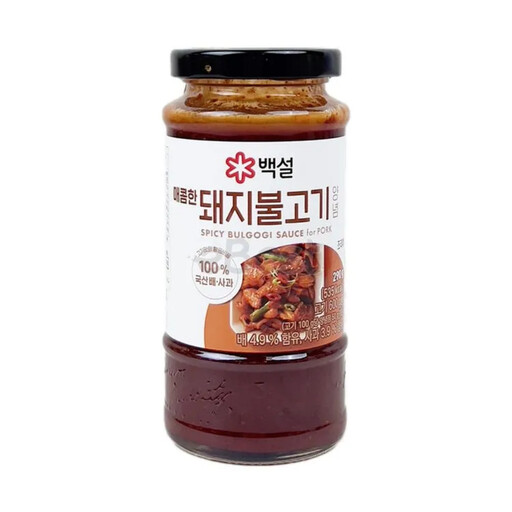
Why This Fits Their Persona: A compact ready-to-use option for UK cooks trying Korean-style pork dishes without buying multiple ingredients.
The product is identified specifically for pork, helping shoppers avoid choosing a sauce solely on general BBQ wording.
290g pack; ready for pork, ribs, stir-fries and pan cooking; contains pear and apple purée alongside garlic and sesame.
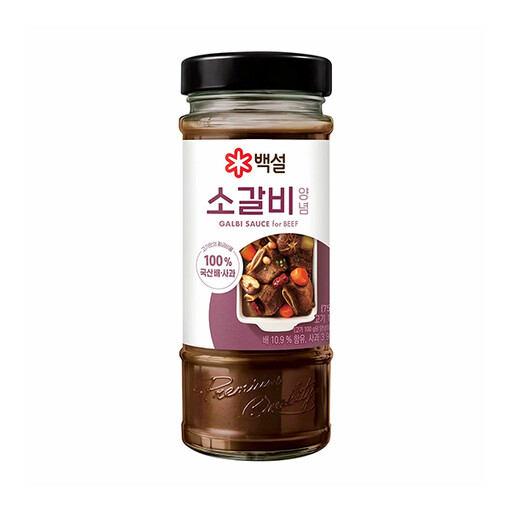
Why This Fits Their Persona: Suitable for shoppers preparing beef ribs or larger family portions and looking for a fruit-led kalbi-style marinade.
Its kalbi designation makes the intended use clearer than a generic barbecue label.
500g quantity; includes pear purée, apple purée, onion, garlic and black pepper; made in South Korea.

Why This Fits Their Persona: A larger jar for regular bulgogi, beef, mixed grilling sessions, stir-fries and dipping.
The stated 500g size helps frequent users compare quantity rather than judging value from the bottle design.
Ready to use as a marinade, glaze or dip; suitable for beef, pork, chicken and vegetables; made in South Korea.
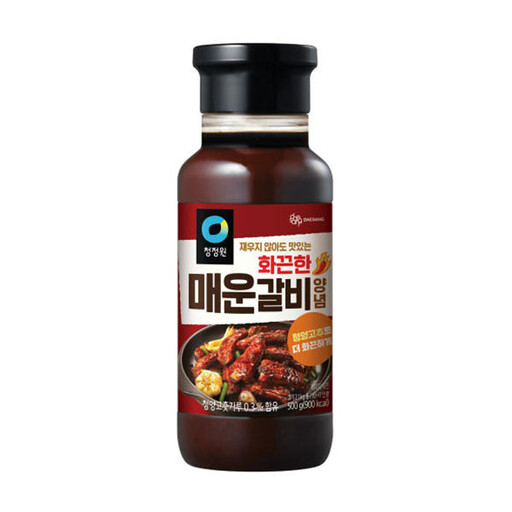
Why This Fits Their Persona: Designed for cooks who want chilli heat with ribs, spicy pork dishes or grilled meat.
The hot and spicy description makes the heat level more transparent than a mild bulgogi-style label.
500g pack; suitable for marinating, baking, grilling and stir-frying; contains red pepper paste and ground chilli.
We have compiled a complete, real-time list of products that fully satisfy these strict selection criteria and UK safety regulations.
For thinly sliced beef, use a bulgogi sauce and marinate for around 30 minutes to several hours, following the product instructions. Ribs and thicker cuts can need longer, but avoid assuming that overnight marination is suitable for every formula.
For a sticky finish, reserve a clean portion of sauce and brush it on during the final cooking stage. This works on pork belly, beef ribs, chicken thighs, tofu and vegetables. A Japanese BBQ sauce or yakiniku sauce can be served alongside cooked meat as a dip, while Jamaican jerk BBQ sauce offers a different profile based on Scotch bonnet chilli, allspice and thyme.
Dry options such as BBQ seasoning are useful when you want to control the amount of oil or sauce. Rajah Spices Barbeque Seasoning, for example, can be used with meat, poultry, seafood and vegetables, but the product information states that it must be cooked before consumption.
Not always. Bulgogi sauce is a type of Korean BBQ marinade commonly associated with sliced beef and a sweet-savoury mixture containing soy, fruit, garlic and onion. “Korean BBQ sauce” is a broader term and may include products for pork, ribs, dipping or spicy cooking.
The period varies by product. The supplied examples recommend refrigeration after opening, with guidance ranging from around four weeks to several months. Always follow the label on your bottle, keep the cap clean and use a clean utensil.
Yes, many ready-to-use sauces can coat tofu, mushrooms, peppers, onions and other vegetables. Apply a moderate amount because soy-based sauces can be salty, and glaze closer to the end of cooking to reduce sticking or over-browning.