
24/7 Customer Support

Free returns

Same-day & Next-day Delivery

Quality Guaranteed

Unlock Your Welcome Offers: FREE Delivery | Up to 80% OFF | Free 30-day JoyPlus trial
Download the APP
Korean biscuit sticks are a convenient sweet snack for lunchboxes, film nights, parties and everyday treats. However, colourful packaging can make similar-looking products seem interchangeable when they may differ considerably in coating, filling, allergens, portion size and country of origin.
Whether you are comparing Pepero, Korean Street snacks, Pocky or Toppo, checking a few practical details can help you avoid paying for a format that does not suit your household.
Not every chocolate biscuit stick provides the same eating experience. Some have a thin chocolate coating, while others include nuts, cookie crumbs, popping candy or an enclosed cream filling. A plain chocolate coating may suit a simple crunchy snack, whereas a filled stick such as Toppo offers a softer centre.
Look beyond the front of the packet and check whether the topping or filling is listed in the ingredients. This is particularly important if you are buying for children or for guests with specific flavour preferences.
The wider Asian sweets category includes Korean confectionery and Japanese snacks, but country of origin varies by product. For example, the Korean Street Choco Stick range is listed as made in Korea, while some Pocky products may be manufactured elsewhere depending on the pack.
If origin matters to you, check the product listing and the physical packaging before opening it. Imported products can also have different formulations between markets.
A 32g or 47g single pack may be suitable for one snack break, but it can work out less convenient for a family or party. Conversely, a large multipack may not be practical if everyone wants a different flavour.
Chocolate-coated biscuits can soften in warm conditions. Store unopened packs in a cool, dry place away from direct sunlight, and follow the packaging guidance after opening. Individually wrapped bags can help with portioning and keeping unused servings protected.
The main difference between Korean biscuit sticks often comes from the outer layer:
For a straightforward option, compare the stated coating percentage and flavour ingredients rather than relying only on promotional descriptions.
UK shoppers should check the complete label for wheat or gluten, milk, soya, peanuts, tree nuts and barley. Imported snacks may include several allergens in the biscuit, coating and toppings. Some products also state that they may contain traces of nuts or eggs.
For instance, Korean Street Peanut Choco Stick contains wheat, peanuts, soya and milk, with possible traces of nuts. Lotte Pepero Almond includes wheat, almond, milk, soya, sulphites, peanuts and barley. Always use the current packaging as the final reference, particularly when buying for someone with an allergy or intolerance.
Pack weight is useful for comparing value, but the internal format can be just as important:
Nutrition information is normally shown per 100g, so remember that a small pack will contain less than that reference amount. For a clearer comparison, consider both the pack weight and the number of portions.
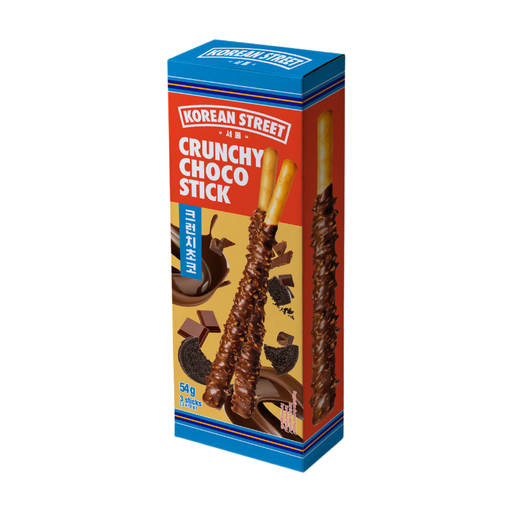
Why This Fits Their Persona: A 54g pack offers an accessible way to try Korean biscuit sticks without committing to a larger multipack. The chocolate and cookie crumb combination suits shoppers seeking extra crunch.
The product description clearly identifies the cookie crumb topping and 54g net quantity, reducing uncertainty about texture and portion size.
Chocolate coating; crunchy cookie crumb topping; ready to eat; listed as made in Korea.
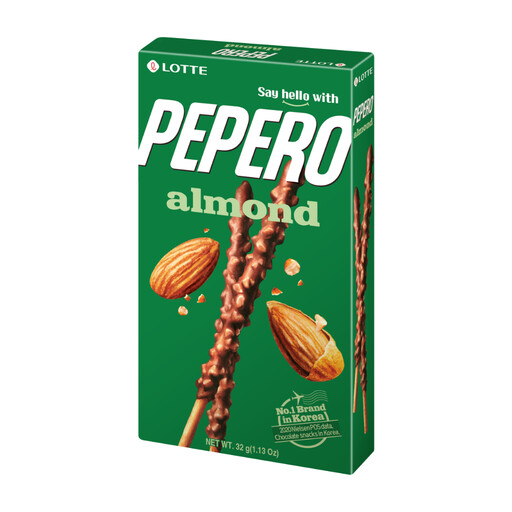
Why This Fits Their Persona: This compact Korean confectionery pack combines a chocolate coating with crushed almond pieces, making it suitable for shoppers who prioritise a layered texture.
The 19% almond coating is specified, while the allergen list identifies almond, peanuts, milk, soya, wheat, barley and sulphites.
Crushed almond topping; 32g portable pack; double-dipped chocolate description; ready to eat.
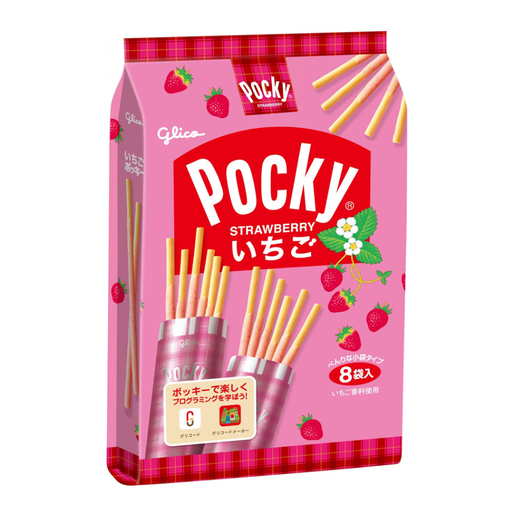
Why This Fits Their Persona: Eight individually packed bags work well for families, lunchboxes, office snack drawers and snacks for sharing at gatherings.
The internal bag format avoids opening the entire 93.6g box at once and makes the serving quantity easier to manage.
Strawberry coating; eight individual bags; suitable for lunchboxes and sharing; contains wheat, milk and soya.
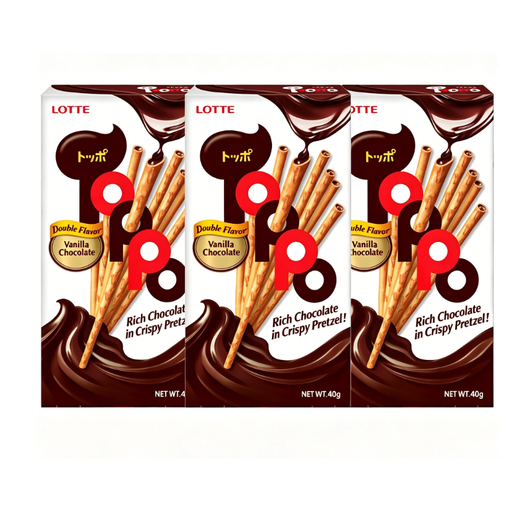
Why This Fits Their Persona: The three-pack format suits shoppers who prefer a creamy centre and want separate servings for home, work or travel.
The filling is sealed inside the biscuit stick, so the product format is clear before purchase and there is less coating contact on fingers.
Three 40g packs; enclosed filling; crisp biscuit contrast; contains milk, soya and wheat gluten.
We have compiled a complete, real-time list of products that fully satisfy these strict selection criteria and UK safety regulations.
They can be convenient for lunchboxes because they are ready to eat and usually supplied in compact packs. Choose individually wrapped formats where possible, and check the ingredients for allergens before packing. Chocolate coatings may soften in warm conditions, so keep them away from direct heat and sunlight.
Pocky typically consists of a crunchy biscuit stick with an outer coating, including chocolate and strawberry versions. Pepero products may include chocolate and toppings such as almond pieces. Toppo is associated with a filled-stick format, where the cream or chocolate-style filling is inside the biscuit. Recipes, pack sizes and manufacturing locations can vary, so check each listing separately.
Keep unopened packs in a cool, dry place away from direct sunlight, following the storage instructions on the packaging. Once opened, consume promptly or reseal in an airtight container where the product guidance permits. If the coating changes after exposure to heat and later cools, the appearance may alter; consult the product label for specific advice.