
24/7 Customer Support

Free returns

Same-day & Next-day Delivery

Quality Guaranteed

Unlock Your Welcome Offers: FREE Delivery | Up to 80% OFF | Free 30-day JoyPlus trial
Download the APP
Korean bulgogi products can make a Korean BBQ-style meal much easier to prepare at home, but the choice is wider than it first appears. A bottle labelled as Korean BBQ sauce may work better as a dipping sauce than a marinade, while a ready-to-cook pack may require more fridge space and careful handling than a cupboard product.
The most common buying pitfalls are:
For a quick weeknight meal, ready-to-cook bulgogi can be convenient because the meat is already sliced and seasoned. Refrigerated marinated Korean beef or marinated Korean pork can usually go straight into a frying pan, grill or stir-fry, but raw meat must be kept cold and cooked thoroughly.
A bottled bulgogi sauce or Korean BBQ sauce offers more flexibility. You can use it with beef, pork, chicken, tofu or vegetables, and control the quantity according to taste. This format is useful for households that do not want to use a full pack of meat at once.
Frozen options such as bulgogi rice balls are suited to portioned meals and snacks. Instant products, including Korean instant pasta, are generally cupboard-friendly but may contain considerable salt, fat or carbohydrates per serving.
Traditional-style bulgogi sauces commonly include soya sauce, sugar, pear or apple, onion, garlic, sesame oil and spices. These ingredients create the familiar sweet-savoury profile, but they also mean many products contain soya, wheat and sesame.
For example, Bibigo Bulgogi Sauce Mild & Sweet lists soya, wheat, sesame and barley, while the hot and spicy sauce contains wheat and soya. A sauce with gochujang or chilli may also be more suitable for spice lovers than for younger children or diners who prefer mild flavours.
Plant-based choices need the same scrutiny. The Hanss kimbap and bibigo rice balls use soya-based ingredients and contain wheat and sesame. “Vegan” describes the recipe’s animal-free positioning, not the absence of common allergens.
Sauces are often used in relatively small quantities, yet their per-100g figures can be high in salt and sugar. The mild Bibigo sauce provides approximately 124 kcal, 20g sugar and 4g salt per 100g. The hot and spicy sauce lists approximately 33.2g sugar and 5.7g salt per 100g.
This does not make either product unsuitable, but it does make portion control important. Use the recommended amount, balance the meal with rice and vegetables, and avoid adding extra salty side dishes if the marinade is already strongly seasoned.
For ready meals and snacks, check the net weight and preparation method as well as the nutrition panel. A 500g pack of bulgogi-style rice balls may suit sharing or several portions, whereas a 15g seaweed snack pack is designed for a light snack or topping.

Why This Fits Their Persona: A mild, versatile bottle is a practical starting point for UK households trying bulgogi at home without committing to a bulk pack of meat.
Its stated use covers beef, pork, chicken, tofu and stir-fries, reducing the need to buy separate sauces for different meals.
Mild and sweet flavour; recommended for marinating 400–500g of meat or tofu; refrigerate after opening.

Why This Fits Their Persona: Shoppers who want sliced beef with the seasoning already prepared can use this refrigerated pack for a Korean BBQ-style dinner with minimal preparation.
The pack is clearly a refrigerated ready-to-cook product, so it is easier to plan around than a sauce marketed vaguely for multiple uses.
400g pack of sliced beef; suitable for stir-frying, grilling, rice bowls or wraps; keep at or below 4°C.
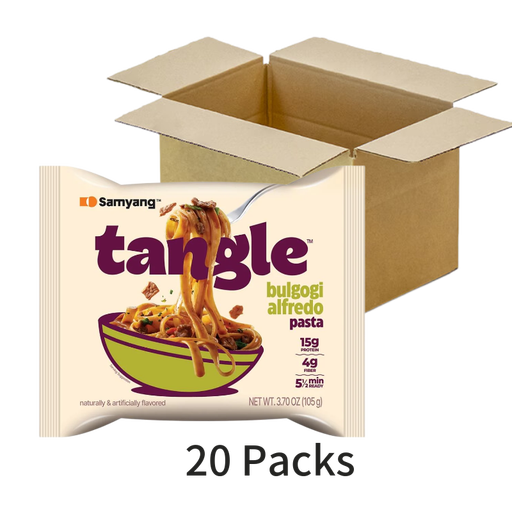
Why This Fits Their Persona: A case format suits offices, student cupboards, larger households and shoppers who want Korean instant pasta available without frequent reordering.
The listing states the case quantity and 105g serving size, making the storage commitment clearer than buying individual packs repeatedly.
20 individual 105g packs; cupboard storage; contains wheat and soya, with preparation instructions provided on the packaging.
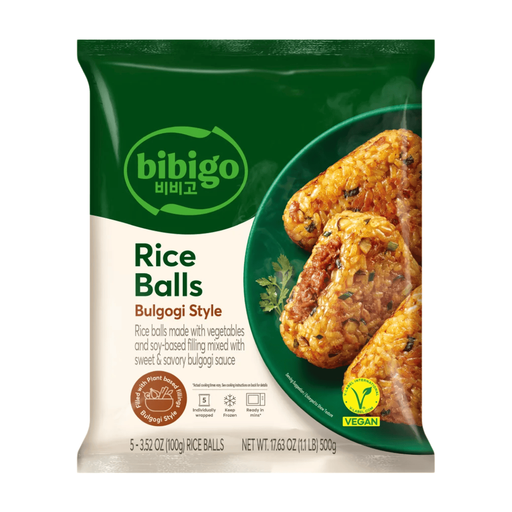
Why This Fits Their Persona: This plant-based frozen option provides a quick meal or side without requiring meat, making it suitable for vegan shoppers who enjoy bulgogi-style flavour.
The product information identifies it as plant-based and gives microwave and air-fryer methods, while still listing soya, wheat and sesame allergens clearly.
500g frozen pack; microwave preparation in approximately 2.5 minutes at 700W; suitable for freezer-to-table convenience.
We have compiled a complete, real-time list of products that fully satisfy these strict selection criteria and UK safety regulations.
The terms are often used interchangeably. A bulgogi marinade is generally intended to coat meat before cooking, while a bulgogi sauce may also be used during stir-frying, brushing or as a side condiment. Check the usage instructions and recommended quantity before buying.
Many ready-made products recommend at least 30 minutes in the fridge. Longer marination can produce a stronger flavour, but follow the product instructions and keep raw meat chilled throughout.
Not automatically. Vegan bulgogi may contain soya, wheat or sesame, and some products carry additional may-contain warnings. Read the current packaging before purchase, particularly when cooking for someone with a declared allergy.