
24/7 Customer Support

Free returns

Same-day & Next-day Delivery

Quality Guaranteed

Unlock Your Welcome Offers: FREE Delivery | Up to 80% OFF | Free 30-day JoyPlus trial
Download the APP
Sensitive skin can react to weather changes, indoor heating, hard water, over-exfoliation and heavily fragranced products. A Korean cica cream may offer a gentler moisturising step, but attractive packaging and words such as “calming”, “barrier” and “hypoallergenic” do not automatically mean a formula will suit your skin.
This guide explains what to check before buying a soothing cream for irritated skin, including texture, supporting ingredients, product labelling and suitability for dry, combination or acne-prone skin.
“Cica” generally refers to centella asiatica and its related compounds, but products can differ considerably. One may focus on a lightweight gel texture, while another contains ceramides, oils and richer emollients for dryness. Some also combine centella with fragrance, essential oils or multiple botanical extracts, which may not suit highly reactive skin.
Check the complete ingredients list rather than relying on the front label. Look for the position of centella asiatica, humectants such as glycerin or hyaluronic acid, and barrier-supporting ingredients including ceramide NP, panthenol, beta-glucan or cholesterol.
A refreshing gel can feel pleasant immediately, particularly in warm rooms or after commuting. However, a cooling sensation does not necessarily indicate long-lasting hydration. Very lightweight formulas may also feel insufficient on dry cheeks during cold, windy UK weather.
For a balanced routine, consider whether you need a lightweight gel cream, a medium-weight moisturiser or a nourishing barrier repair cream. Texture should match your skin and climate, not just the first few seconds after application.
Marketing descriptions are not a substitute for checking the formula and your own tolerance. Even a product labelled gentle can contain botanical extracts, preservatives or fragrance that do not agree with every user.
Before applying a new Korean moisturiser for sensitive skin across your face, patch test a small area according to the packaging guidance. Avoid applying new products to broken, sunburned or actively irritated skin. Stop use if persistent stinging, swelling, itching or a rash develops, and seek appropriate medical advice.
A useful centella asiatica cream should offer more than one type of support:
Ingredient lists are arranged broadly by concentration at the start, although ingredients used at low levels may appear later in the list. Always confirm the latest list on the product packaging, as formulas can change.
For oily or acne-prone skin, a fast-absorbing gel cream can be easier to use under sunscreen and make-up. A non-greasy finish may also reduce the temptation to apply too little moisturiser.
Dry or reactive skin may prefer a cream containing ceramides, squalane or plant oils. These formulas can feel more protective, especially in centrally heated homes or during colder months. If your T-zone becomes shiny but your cheeks feel tight, apply a lighter layer over the whole face and a little more to dry areas.
UK shoppers should check that the packaging provides clear product information, including the ingredient list, directions, storage guidance, batch details and relevant warnings. Look for the recommended period after opening where provided, and avoid products whose packaging is damaged or whose seal appears compromised.
“Vegan”, “cruelty-free” and “skin irritation tested” describe particular product or brand claims. They do not mean that every user will tolerate the formula. Treat these statements as useful information, not as a personal suitability guarantee.
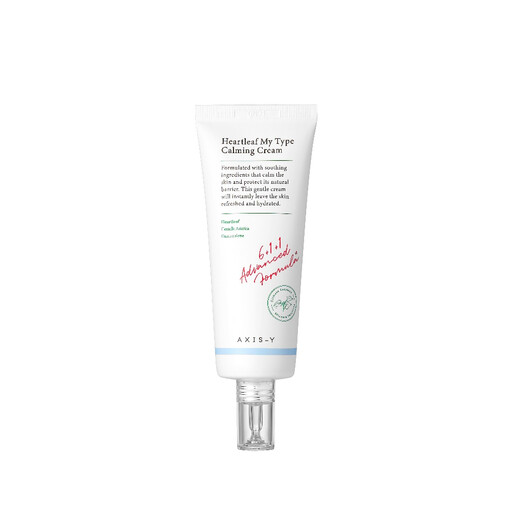
Why This Fits Their Persona: Its water-based gel-cream texture suits first-time buyers who want a simple morning and evening moisturiser that layers comfortably under make-up.
The quick-absorbing finish avoids the heavy, greasy feel that can discourage consistent use. Its listed formula includes heartleaf, centella asiatica, glycerin, hyaluronic acid and allantoin.
60ml size; vegan-certified and cruelty-free according to the product information; described as non-comedogenic.
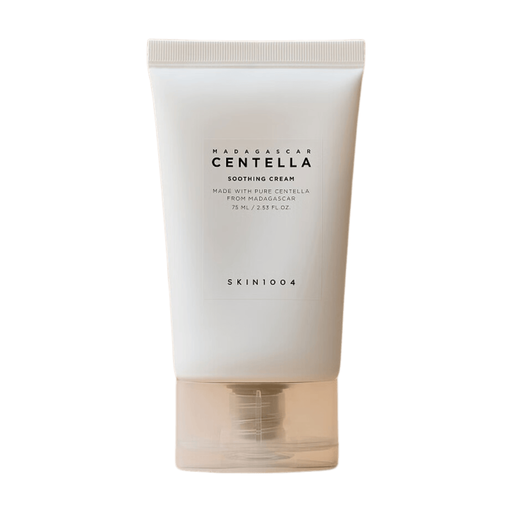
Why This Fits Their Persona: Suitable for shoppers seeking a more structured barrier-focused moisturiser for dry, stressed or seasonally sensitive skin.
It is not marketed solely around a cooling sensation: the listed formula includes centella asiatica, ceramides, cholesterol, phytosphingosine and sodium hyaluronate.
75ml format; soft cream texture; includes a ceramide, cholesterol and fatty-acid-focused barrier composition.
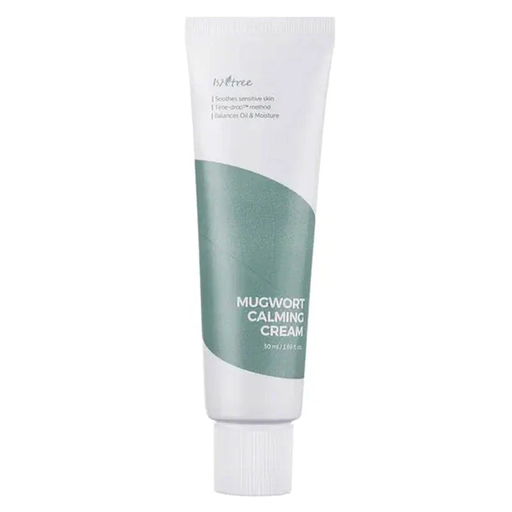
Why This Fits Their Persona: A practical option for users managing changing UK weather, seasonal tightness or a combination complexion that needs comfort without a dense finish.
The product information specifies an alcohol-, artificial-fragrance- and dye-free formula, helping shoppers avoid several commonly checked irritants.
Includes mugwort, liquorice root, panthenol and beta-glucan; lightweight cream texture designed for daily use.
We have compiled a complete, real-time list of products that fully satisfy these strict selection criteria and UK safety regulations.
Avoid introducing several new products at once. This makes it difficult to identify which formula caused a reaction. For acne-prone skin, choose a moisturiser that feels comfortable and does not leave an oily film, but remember that a cream is not a treatment for acne or a substitute for professional advice.
It can be suitable when the texture and ingredient list match your preferences. Lightweight gel creams may feel more comfortable on oily or combination skin. However, “cica” does not guarantee that a product will prevent breakouts, so patch test and monitor how your skin responds.
Choose a gel cream if you prefer fast absorption, minimal residue and easy layering under sunscreen. Choose a ceramide moisturiser if dryness, tightness or a weakened-feeling moisture barrier is your main concern. Some products combine both qualities, so compare the full ingredient list and texture description.
Storage, application amount and frequency affect how long a product lasts. A 50–75ml face cream may last several weeks or longer, but follow the packaging’s period-after-opening guidance and discard it if the smell, colour or texture changes noticeably. Keep the container closed and store it away from direct sunlight and heat.