
24/7 Customer Support

Free returns

Same-day & Next-day Delivery

Quality Guaranteed

Unlock Your Welcome Offers: FREE Delivery | Up to 80% OFF | Free 30-day JoyPlus trial
Download the APP
From the vibrant streets of Seoul to supermarket aisles across the UK, the popularity of Korean drinks has surged. Driven by K-dramas, K-pop and a global appetite for new flavours, these beverages offer a refreshing departure from the usual. But as you look to buy Korean drinks online in the UK, it's easy to feel overwhelmed or even make a purchase you'll regret.
As the Joybuy Product Recommendation Officer, my role is to help you navigate the options and avoid common pitfalls. Many shoppers find themselves disappointed by drinks that don't match their expectations. Let's look at a few frequent issues:
By understanding what to look for, you can choose a drink that truly delights your palate.
A few moments spent reading the label can make all the difference. Here are three key areas to focus on to ensure you get the quality and flavour you're paying for.
To avoid the synthetic taste trap, check the ingredients list for real fruit content.
Korean beverages come in several formats, and knowing the difference is crucial.
Your preference for sweetness is personal, so it pays to know what you're getting. The ingredients list will specify whether a drink uses cane sugar, fructose or artificial sweeteners like sucralose or aspartame. For those seeking a less sweet or savoury option, traditional grain teas like scorched rice or corn silk tea are excellent choices, often containing zero sugar and zero calories.
To help you start your journey, we've matched a few standout options to different tastes and preferences.
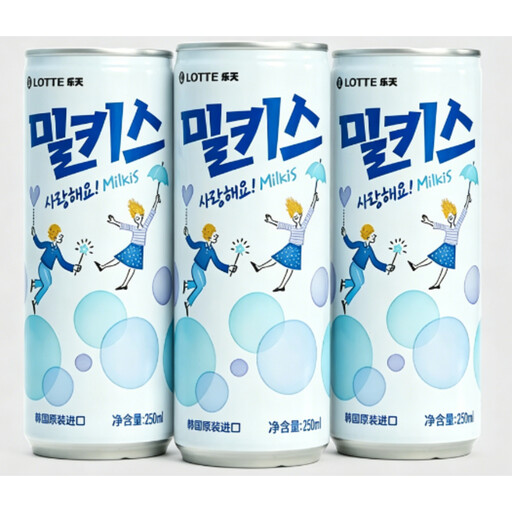
Why This Fits Their Persona: If you've seen it in a K-drama, this is probably it. Milkis is an iconic "milk soda" that combines a creamy, yoghurt-like flavour with light carbonation. It's a fun and accessible starting point for anyone curious about popular Korean soft drinks.
Its unique profile is its main selling point. It's not pretending to be a simple fruit juice; it's proudly a creamy, fizzy drink, so your expectations are met.
Offers a unique flavour and texture combination not found in typical Western soft drinks. It's particularly refreshing alongside spicy food.
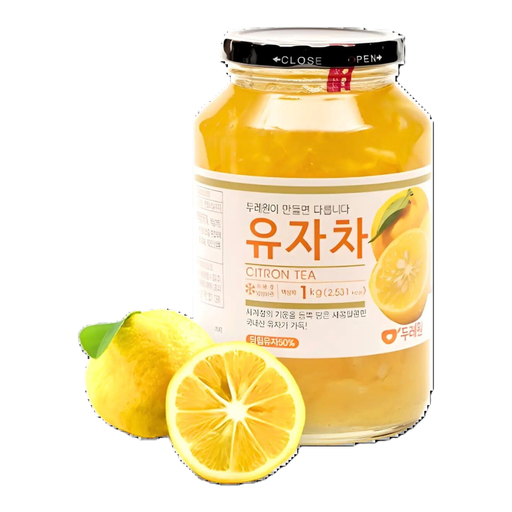
Why This Fits Their Persona: Perfect for those who enjoy the ritual of making their own drink. This citron concentrate allows you to create a comforting hot tea for a cold evening or a refreshing iced drink in the summer, all from one jar.
By understanding this is a concentrate (*cheong*), you avoid the "tea misconception." It's not a ready-to-drink product, but a versatile base for many beverages.
Highly versatile and offers great value for money. A single jar can make many drinks, and you can control the sweetness and strength to your exact liking.

Why This Fits Their Persona: A must-have for any Korean BBQ night or social gathering. Flavoured soju, especially green grape, is incredibly popular and approachable for guests who may be new to the spirit. It's smooth, easy to drink and made for sharing.
This is clearly an alcoholic beverage, so there's no confusion with soft drinks. The green grape profile is its intended flavour, not a misleading claim.
The 13% ABV makes it lighter than many spirits. It's smooth enough to be served chilled on its own or mixed into simple cocktails.
We have compiled a complete, real-time list of products that fully satisfy these strict selection criteria and UK safety regulations.
Soju is a clear, distilled spirit, typically made from rice, sweet potato or tapioca. It has a clean, neutral taste (unless flavoured) and a higher alcohol content, usually between 13% and 25% ABV. Makgeolli, on the other hand, is an unfiltered fermented rice wine. It is milky in appearance, lightly sparkling and has a lower alcohol content (around 6-8% ABV) with a distinctive sweet and tangy flavour.
Sweetness levels vary widely. Drinks like Lotte Milkis or fruit sodas are intentionally sweet, similar to many Western soft drinks. However, Korea also has a strong tradition of savoury and lightly sweetened beverages. An aloe vera drink is often only gently sweet, while grain-based drinks like Woongjin's Morning Rice or Five Grain Tea offer nutty, savoury profiles with little to no sugar.
To prepare, simply add one or two spoonfuls of the citron tea concentrate from the jar into a mug. Top with hot water for a warming winter drink, or with cold sparkling water and ice for a refreshing summer cooler. Because it is a preserve, an unopened jar can be stored in a cool, dry cupboard. Once opened, it must be kept in the fridge and is typically good for several months.