
24/7 Customer Support

Free returns

Same-day & Next-day Delivery

Quality Guaranteed

Unlock Your Welcome Offers: FREE Delivery | Up to 80% OFF | Free 30-day JoyPlus trial
Download the APP
A Korean face cream can be a useful final step in a UK skincare routine, but attractive packaging and long ingredient lists do not automatically make a product suitable for your skin. The right choice depends on texture, barrier-supporting ingredients and how the formula fits your existing routine.
For shoppers comparing a K-beauty moisturiser, the main challenge is separating useful product information from overstated marketing. A rich cream may feel comforting in winter but become uncomfortable in a warm room. A brightening face cream may contain several tone-supporting ingredients but still require daily sunscreen. Meanwhile, a sensitive skin moisturiser can include soothing ingredients yet still contain a fragrance component that some users prefer to avoid.
Ceramides, niacinamide, collagen, vitamin C and Centella asiatica are popular skincare ingredients, but the ingredient name alone does not tell you whether the product will suit your skin. Look at the full ingredient list and the overall texture.
For example, a ceramide cream may be a sensible option for dry or dehydrated skin, while a lightweight gel cream may feel more comfortable on oily or combination skin. Neither texture is universally suitable.
A vitamin C cream, niacinamide moisturiser or alpha-arbutin formula may be selected to support a more even-looking complexion. However, a face cream does not replace sunscreen. In the daytime, use a broad-spectrum sunscreen with an appropriate SPF, particularly when your routine includes brightening ingredients.
Botanical extracts such as tea tree, citrus, turmeric and Centella can feature in Korean skincare, but natural ingredients may still be unsuitable for some individuals. Check the complete INCI list, especially if you have reactive skin, and patch test before applying a new product over your whole face.
A rich, occlusive cream generally suits dry skin, colder weather or users who experience tightness after cleansing. A lotion or gel cream may be more practical for oily, combination or heated indoor environments.
Pay attention to descriptions such as:
For a barrier repair cream, look for a balanced combination rather than one fashionable ingredient. Ceramides, cholesterol, fatty acids, panthenol, glycerin, squalane and hyaluronic acid can all appear in moisturising formulas.
A product such as a Korean moisturiser with several ceramides may be worth considering when your skin feels dry or uncomfortable. Even so, avoid applying new products to broken or inflamed skin, and stop use if irritation develops.
Choose the formula around one primary concern:
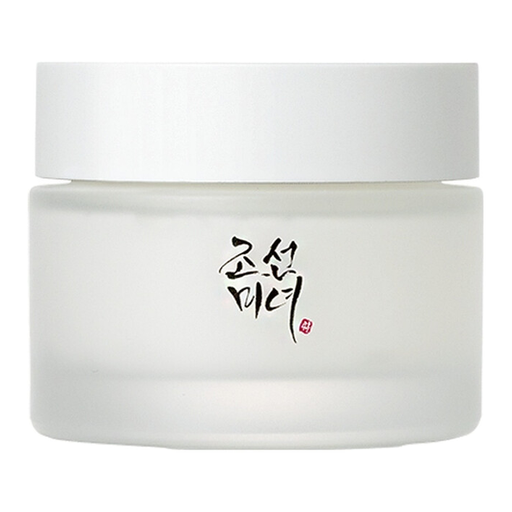
Why This Fits Their Persona: A practical starting point for shoppers wanting one nourishing cream for everyday use, overnight care or a dewy make-up base.
Its ingredient list identifies rice bran water, ginseng root water, niacinamide, squalane and ceramide NP rather than relying on a single headline ingredient.
Creamy texture; can be used as a daily moisturiser, sleeping mask or luminous make-up base.
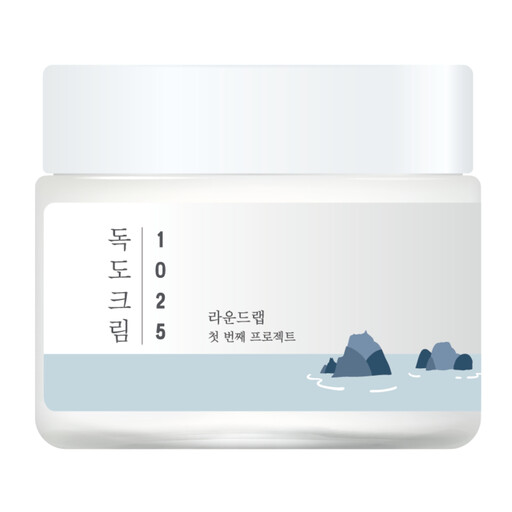
Why This Fits Their Persona: Suits shoppers seeking a substantial facial moisturiser for dry, dehydrated or sensitive skin during cooler UK weather.
The formula lists five ceramides, three forms of hyaluronic acid, panthenol and shea butter, giving shoppers clear information beyond a general hydration claim.
80ml size; fragrance-free formula listed with allantoin, beta-glucan and barrier-supporting lipids.
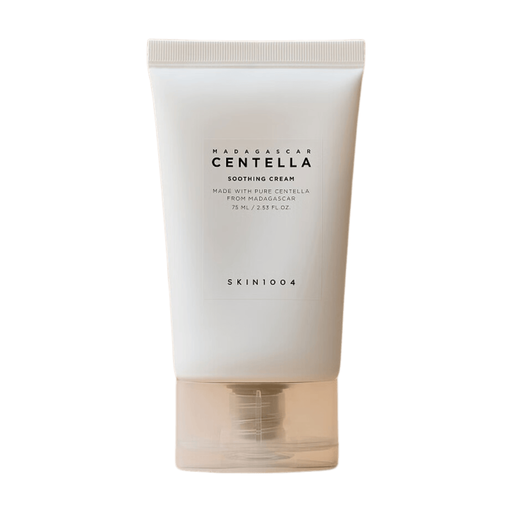
Why This Fits Their Persona: A focused option for users who want a soothing cream with a lighter feel for stressed or sensitive skin.
It uses Centella asiatica alongside ceramides, cholesterol and fatty acids, rather than presenting a single botanical extract as the whole solution.
Honey-like gel cream texture; includes sodium hyaluronate, beta-glucan and four listed ceramides.
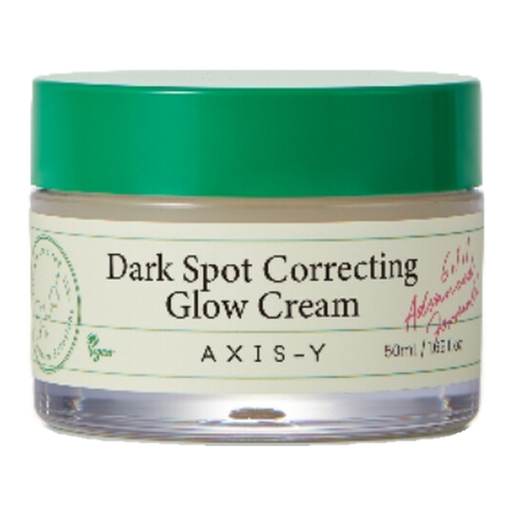
Why This Fits Their Persona: Suitable for shoppers prioritising a lighter brightening face cream that can sit comfortably in a daytime routine.
The product specifies 2% alpha-arbutin, 5% niacinamide and ceramide NP, allowing a more informed comparison than an undefined “glow” claim.
Gel-to-water texture; fragrance-free listing with Centella asiatica, heartleaf and multiple forms of hyaluronic acid.
We have compiled a complete, real-time list of products that fully satisfy these strict selection criteria and UK safety regulations.
Apply your Korean face cream after cleansing and any lighter toner, essence or serum. Start with a modest amount and add more only where needed. During the day, finish with sunscreen. At night, a richer layer may be more comfortable if indoor heating or cold weather leaves your skin feeling dry.
Patch testing is sensible, particularly for sensitive skin or when the formula includes several active ingredients. Avoid the eye area unless the packaging specifically states otherwise. Stop using the product if redness, itching, swelling or persistent discomfort occurs.
Yes, provided the texture and ingredients match your needs. Look for a facial moisturiser for dry skin containing humectants such as glycerin or hyaluronic acid, plus emollients and barrier-supporting ingredients such as squalane, shea butter, panthenol and ceramides.
Many people layer a moisturiser after active products, but compatibility depends on your individual routine and tolerance. Introduce one new product at a time, avoid applying it to irritated skin and patch test first. A plain soothing cream or barrier repair cream may be a more straightforward pairing than a formula containing several additional brightening actives.
Usage varies according to the amount applied, whether it is used once or twice daily and the pack size. An 80ml cream generally provides more applications than a 50ml jar, but storage matters too. Keep the product closed, away from direct sunlight and check the packaging for batch, shelf-life and storage information.