
24/7 Customer Support

Free returns

Same-day & Next-day Delivery

Quality Guaranteed

Unlock Your Welcome Offers: FREE Delivery | Up to 80% OFF | Free 30-day JoyPlus trial
Download the APP
Korean face masks can make a useful addition to a UK skincare routine, but choosing by packaging or a single headline ingredient can lead to wasted money. The right option depends on your skin concern, preferred format, available time and how often you realistically plan to use it.
A sheet or hydrogel mask can leave skin feeling softer, cooler or more hydrated immediately after use. That does not mean it has permanently changed pores, pigmentation, elasticity or fine lines. Treat claims such as “poreless”, “anti-ageing” or “detoxifying” as marketing descriptions, then check the ingredient list and usage instructions.
A rich collagen hydrogel mask may feel comfortable on dry skin but may be unnecessary for someone mainly concerned with excess oil. Similarly, frequent clay masks can leave some complexions feeling tight, particularly when used across the entire face rather than only on the T-zone.
“Natural” does not automatically mean suitable for sensitive skin. Fragrance, essential oils, alcohol and physical particles may not suit every user. Always check the current packaging, especially if you are prone to reactivity, and patch test a new formula before applying it widely.
Do not leave a conventional sheet mask on until it dries completely. Evaporation can make the skin feel tight rather than comfortable.
Ingredients near the beginning of an INCI list are generally present in larger proportions, although the list alone does not predict how your skin will respond. For hydration, look for humectants such as glycerin, betaine and hyaluronic acid. For barrier-supporting care, ceramides, panthenol and fatty ingredients may be relevant. For brightening routines, niacinamide or vitamin C derivatives are common choices, but daily sunscreen remains important when managing the appearance of uneven tone.
For pore-cleansing face masks and clay masks for oily skin, kaolin, bentonite or other clays may help absorb surface oil. Use these carefully and avoid allowing the product to dry into a hard, uncomfortable layer.
A 10-sheet or 30-sheet pack may appear economical, but calculate the cost per use and check whether you can keep the container sealed. Individual sachets are convenient for travel and help limit repeated exposure to air. Long-wear hydrogel products may require one to four hours, while a wash-off mask may take less than ten minutes.
For UK shoppers, also check the product label for the responsible seller, usage instructions, ingredients, batch details and warnings. Cosmetic products should be used only as directed and should not be applied to broken or irritated skin.
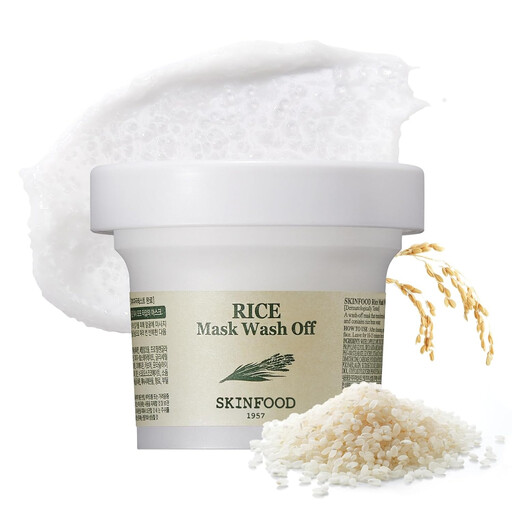
Why This Fits Their Persona: A 120g wash-off format suits shoppers wanting a straightforward rice face mask without buying a large sheet-mask multipack.
Its wash-off design makes the treatment time clear, while rice bran water, sodium hyaluronate and polyglutamic acid identify its moisturising focus.
Smooth texture, easy rinsing and a formula containing rice-derived ingredients plus moisturisers.
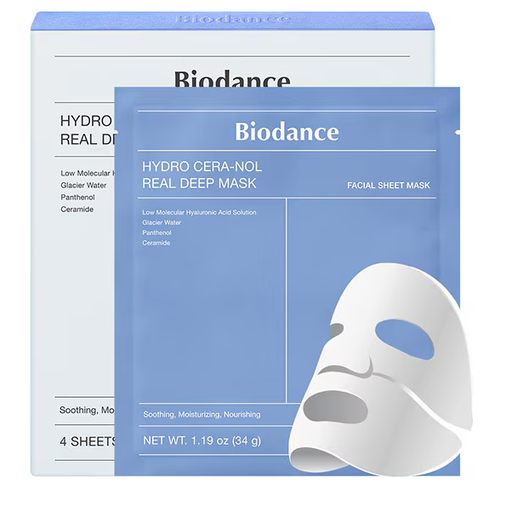
Why This Fits Their Persona: The four-mask pack and extended wear format suit an occasional, moisture-focused evening routine.
The ingredient list clearly includes panthenol, hyaluronic acid and several ceramides, rather than relying only on a vague “moisture” label.
Hydrogel material; four-layered ceramide ingredients listed; designed to become transparent during wear.
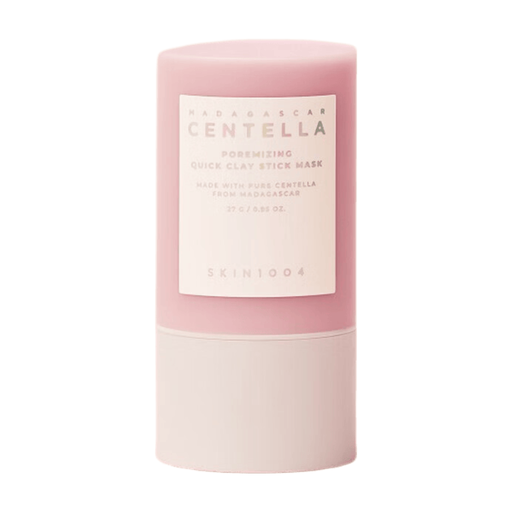
Why This Fits Their Persona: The twist-up stick is practical for targeted T-zone use, especially when a full-face mask feels unnecessary.
The instructions specify a short 3–5-minute application and advise not letting the clay dry completely, reducing the risk of overuse.
Contains kaolin, bentonite and centella asiatica; mess-free stick application; suitable for weekly use as directed.
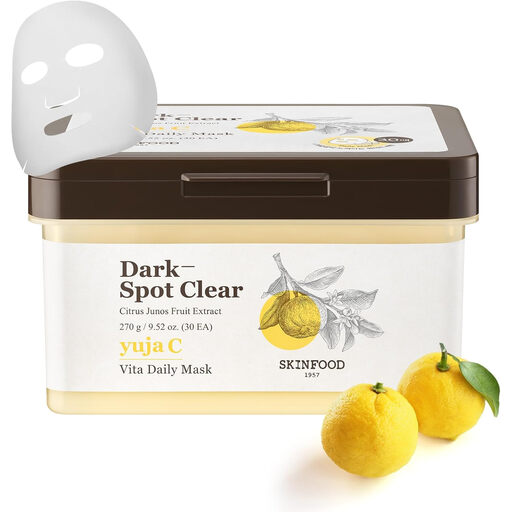
Why This Fits Their Persona: A large daily-mask container is suited to shoppers who want a quick 5–10-minute brightening step several times a week.
Its stated five-minute format provides a realistic time commitment, while niacinamide and sodium ascorbyl phosphate are listed as brightening-focused ingredients.
Plant-derived cellulose sheets; yuja extract; lightweight essence intended for a short application.
We have compiled a complete, real-time list of products that fully satisfy these strict selection criteria and UK safety regulations.
It depends on the format and formula. A hydrating sheet mask may fit into a routine once or twice weekly, while a daily facial mask can be used according to its label. Clay and exfoliating wash-off masks are generally better reserved for occasional use to avoid excessive dryness.
Some are formulated without fragrance or mineral oil, while others contain fragrance, alcohol or essential oils. Check the full ingredient list, patch test first and avoid applying any mask to broken, inflamed or already irritated skin.
Compare the cost per application, not only the shelf price. A four-pack may suit occasional intensive care, whereas a 10- or 30-sheet pack can offer better value for regular users, provided the product remains fresh and compatible with your routine.