
24/7 Customer Support

Free returns

Same-day & Next-day Delivery

Quality Guaranteed

Unlock Your Welcome Offers: FREE Delivery | Up to 80% OFF | Free 30-day JoyPlus trial
Download the APP
Choosing a Korean face moisturiser can be surprisingly difficult. Product pages often highlight impressive ingredient percentages, glowing-skin promises and long lists of botanical extracts, but these details do not always tell you whether a cream will suit your skin, climate or daily routine.
For UK shoppers, the most useful approach is to assess the formula, texture and intended skin profile before buying. Whether you need a K-beauty moisturiser for winter dryness, a lightweight gel cream for an oily T-zone or a barrier repair cream after overusing active ingredients, the following guide helps you compare practical options.
A product labelled as a niacinamide moisturiser, ceramide cream or brightening moisturiser may still contain a texture or supporting ingredients that do not suit you. An ingredient can be useful, but the whole formulation matters more than a single percentage printed on the front of the packaging.
Check the full INCI list and consider whether the product also contains fragrance, essential oils, alcohol or richer emollients that may feel uncomfortable on your skin.
A rich Korean skincare cream may be helpful for dry or dehydrated skin, but it can feel occlusive on oily or blemish-prone complexions. Conversely, a gel cream may feel comfortable initially but provide insufficient protection during cold, windy UK weather.
Texture should match both your skin type and the season. Many shoppers use a lighter formula in warmer months and a more nourishing cream during winter.
Terms such as “repair”, “brightening” and “anti-ageing” describe a product’s intended cosmetic purpose, not a guaranteed outcome. Visible changes vary according to skin condition, routine, sun exposure and consistency of use.
For uneven tone or dark spots, daily broad-spectrum sunscreen remains important. A moisturiser cannot replace SPF.
A well-balanced hydrating face cream may include:
For a weakened skin barrier, look for several complementary ingredients rather than relying on one “hero” component. A ceramide complex, for example, may offer broader formulation support than a product that only mentions ceramide in its marketing.
A gel cream or water-gel texture generally suits shoppers who dislike a heavy finish, particularly those with oily or combination skin. Creamier formulas with shea butter, oils or richer emollients may be more appropriate for dry, mature or dehydrated skin.
Consider how the moisturiser will sit beneath make-up. A product that leaves a dewy finish may work well as a luminous base, while a non-sticky finish is often more practical for commuting or layering with sunscreen.
“Suitable for sensitive skin” is not a universal guarantee. Always check the current packaging and ingredient list, as formulations can change. Products containing fragrance, essential oils or a larger number of botanical extracts may not suit everyone.
Patch-test a new sensitive skin moisturiser on a small area first. Avoid applying skincare to broken skin, open wounds or severely irritated areas. Stop using the product if redness, itching, swelling or persistent discomfort develops.
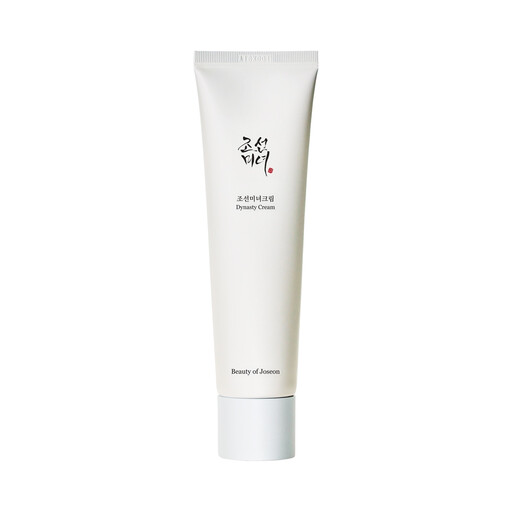
Why This Fits Their Persona: The larger 100ml format is practical for shoppers building a straightforward daily routine and wanting a nourishing Korean facial cream for morning and evening use.
Its suitability is easier to assess from the listed formula, rather than a single headline active: niacinamide, squalane, hyaluronic acid and ceramide NP are all identified.
100ml size; includes rice bran water, ginseng root water, squalane and ceramide NP.
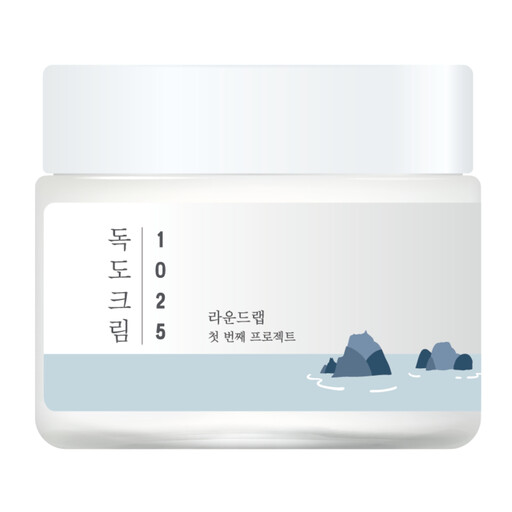
Why This Fits Their Persona: This is a considered option for dry, dehydrated or sensitive skin, especially during colder UK months when a breathable but nourishing finish is preferred.
The product description clearly indicates a rich texture, allowing shoppers who dislike watery creams to make a more informed choice.
Quintuple ceramide complex; triple hyaluronic acid; no artificial fragrance, parabens or alcohol listed.
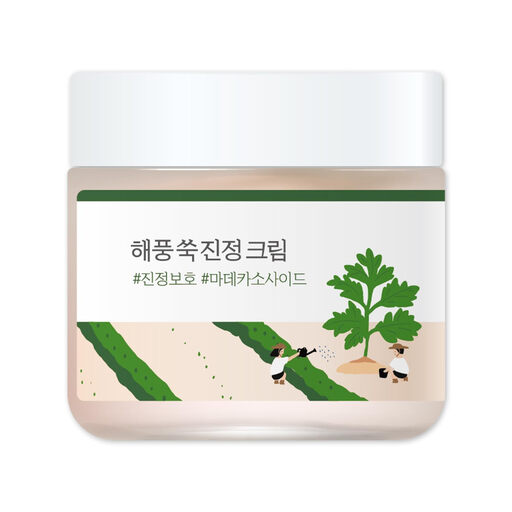
Why This Fits Their Persona: The gel-cream format is suited to oily, combination or blemish-prone shoppers who want daily moisture without a visibly heavy layer.
The texture is specified as lightweight and non-sticky, reducing the risk of buying a rich cream when your skin prefers a faster-absorbing finish.
Contains mugwort, panthenol, allantoin and centella-derived ingredients; designed for a light gel-cream application.
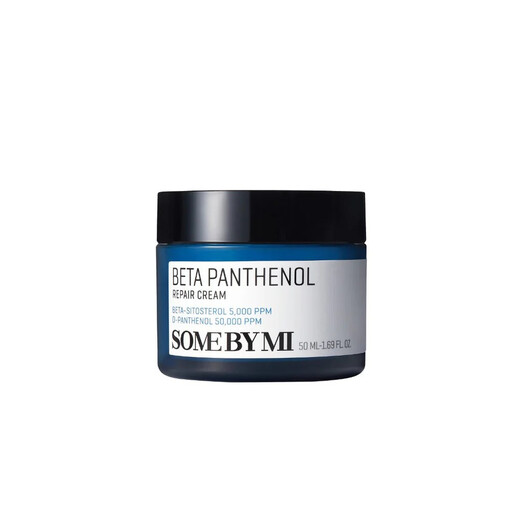
Why This Fits Their Persona: It is aimed at shoppers whose routines include exfoliating acids, retinoid products or frequent cleansing and who prefer a dedicated barrier repair cream.
The ingredient list identifies panthenol, squalane, several ceramides, phytosphingosine and multiple forms of hyaluronic acid, rather than relying only on a vague repair label.
Includes panthenol, beta-sitosterol, squalane, ceramides and probiotic ferment lysates; intended for morning and evening use.
For a brightening moisturiser, the Axis-Y Dark Spot Correcting Glow Cream combines listed niacinamide, alpha-arbutin and ceramide NP with a gel-to-water texture. The SOME BY MI Yuja Niacin Brightening Moisture Gel Cream is another lightweight option, with yuja extract, niacinamide and vitamin C derivatives.
For a richer nourishing cream, consider Round Lab Soybean Nourishing Cream, which lists black soybean seed extract, ceramide NP and panthenol. Those seeking a more traditional nourishing texture may also compare Mixsoon Bean Cream or the 50ml Beauty Of Joseon Dynasty Cream.
We have compiled a complete, real-time list of products that fully satisfy these strict selection criteria and UK safety regulations.
Look for a cream containing humectants plus emollients and barrier-supporting ingredients. Ceramides, panthenol, glycerin, hyaluronic acid, squalane and shea butter are examples found across the products above. A richer formula such as Round Lab 1025 Dokdo Cream may feel more comfortable than a very light gel during cold or dry weather.
You can generally layer a moisturiser with active skincare, but introduce products gradually and monitor your skin. A fragrance-free, barrier-focused formula may be preferable when your routine already contains potentially irritating actives. Do not apply products to broken or severely irritated skin, and stop if discomfort develops.