
24/7 Customer Support

Free returns

Same-day & Next-day Delivery

Quality Guaranteed

Unlock Your Welcome Offers: FREE Delivery | Up to 80% OFF | Free 30-day JoyPlus trial
Download the APP
A Korean face moisturiser can be a practical addition to a UK skincare routine, whether your main concern is tightness after cleansing, winter dryness, redness, blemishes or uneven tone. However, attractive packaging and long ingredient lists do not automatically make a Korean moisturiser suitable for your skin.
The right choice depends on texture, formula balance and how the cream fits with the rest of your routine. Joybuy Product Recommendation Officer’s guide below highlights the common buying traps and the details worth checking before you order.
Words such as “rich”, “deep”, “fresh” and “glowing” can be interpreted differently. A rich Korean skincare cream may be comfortable on dry skin but feel heavy on an oily complexion. Conversely, a lightweight gel cream may suit daytime use but provide insufficient comfort during cold, dry weather.
Look for practical texture information:
A brightening face cream may contain ingredients such as niacinamide, tranexamic acid, alpha-arbutin, vitamin C derivatives or licorice root extract. These are commonly selected for routines aimed at dullness or uneven-looking tone, but a formula with several active ingredients can feel demanding when combined with exfoliating acids or retinoids.
Check the complete ingredient list rather than relying on one highlighted ingredient. Fragrance, essential oils and alcohol may also matter if your skin is easily reactive.
Barrier repair cream is a useful shopping term, but it should not be treated as a guaranteed treatment for a skin condition. Ingredients including ceramides, cholesterol, fatty acids, panthenol, glycerin, squalane and hyaluronic acid can support a moisturising routine and reduce the feeling of dryness. Results vary between individuals.
Products labelled non-comedogenic may still not suit every blemish-prone user. Always introduce a new moisturiser gradually and patch test first.
UK weather changes throughout the year, so one moisturiser may not feel right in every season. Combination or oily skin may prefer a lightweight gel cream in heated rooms or humid weather. Dry skin may need a more substantial Korean skincare cream, particularly in winter.
Useful humectants include:
If your skin feels tight shortly after applying a gel cream, layer it over a hydrating serum or choose a cream with more emollient and barrier-supporting ingredients.
For redness or sensitivity, formulas featuring heartleaf, mugwort, centella asiatica, allantoin or dipotassium glycyrrhizate may be worth considering. For a routine focused on dullness or uneven tone, look for ingredients such as niacinamide, tranexamic acid, licorice root or vitamin C derivatives.
Ingredient position can provide useful context, although it does not predict personal results. A long ingredient list is not automatically more effective, and several botanical extracts may be unsuitable for people with known sensitivities.
Before purchasing, confirm:
Cosmetic products are for external use only. Avoid applying moisturiser to broken or irritated skin, keep it away from the eyes and stop use if persistent stinging, swelling, itching or a rash develops. For UK shoppers, reviewing the packaging and supplier information is more dependable than relying on promotional wording alone.
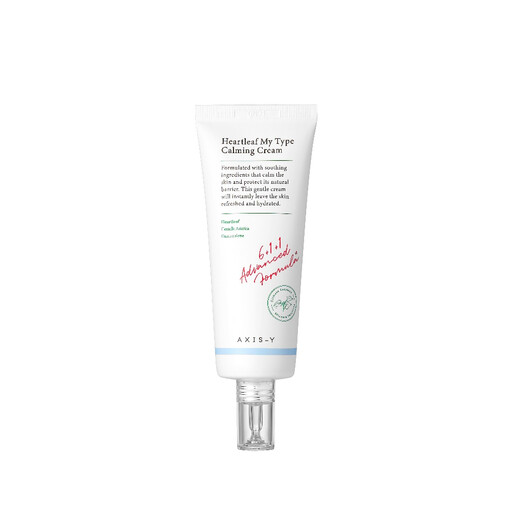
Why This Fits Their Persona: A straightforward everyday option for shoppers wanting a light moisturiser for combination, oily, sensitive or blemish-prone skin, including use beneath make-up.
Its water-based gel-cream texture is described as quick-absorbing and non-greasy, avoiding the heavy finish some oily-skin shoppers dislike.
Contains heartleaf, centella asiatica, glycerin, sodium hyaluronate and allantoin; the listing also states vegan-certified and cruelty-free credentials.
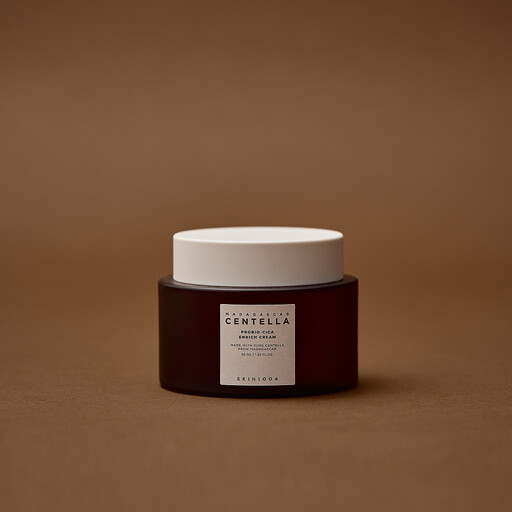
Why This Fits Their Persona: Suits shoppers seeking a nourishing, ingredient-led cream for dry, reactive or easily stressed skin during colder UK weather.
The richer profile is clear from ingredients including macadamia and moringa seed oils, shea butter, squalane and ceramide NP, rather than relying only on vague “intensive” wording.
Combines centella asiatica, lactobacillus ferment, ceramide NP, phytosphingosine and sodium hyaluronate in a more substantial cream texture.
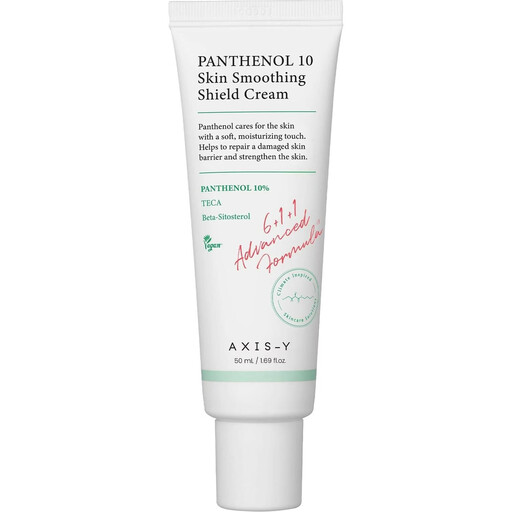
Why This Fits Their Persona: Designed for shoppers who regularly experience dryness from over-cleansing, seasonal changes or a demanding skincare routine.
The formula clearly identifies 10% panthenol alongside squalane, ceramide NP and cholesterol, giving shoppers more detail than a general barrier-care label.
Contains panthenol, centella compounds, beta-sitosterol, ceramide NP and cholesterol; it can also be applied more generously to particularly dry areas.
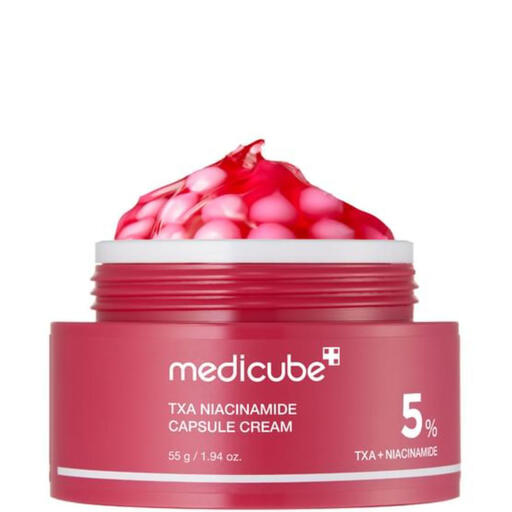
Why This Fits Their Persona: A practical choice for shoppers building a brightening face cream routine while still wanting daily hydration and an adjustable finish.
The two-part texture lets you use more red gel for a lighter feel or more pink capsules for richer moisturisation, rather than accepting one fixed finish.
Includes 5% niacinamide, tranexamic acid, ceramide NP, panthenol and several forms of hyaluronic acid.
We have compiled a complete, real-time list of products that fully satisfy these strict selection criteria and UK safety regulations.
Apply a Korean face moisturiser after cleansing and any water-based serum or treatment. Use a smaller amount in the morning if you plan to apply sunscreen and make-up afterwards. In the evening, a slightly more generous layer may feel comfortable, particularly on dry areas.
Avoid introducing several new active products at the same time. If you are using a brightening face cream containing niacinamide, tranexamic acid or vitamin C derivatives, start with a modest frequency and monitor how your skin responds. Sunscreen remains important during daytime routines, especially when targeting the appearance of uneven tone.
Some lightweight formulas may suit oily or blemish-prone skin, particularly when they avoid a heavy finish and are labelled non-comedogenic. This does not guarantee compatibility for every person. Choose a texture that feels comfortable, introduce it gradually and patch test before applying it across your face.
Choose a lightweight gel cream if you prefer fast absorption, have combination skin or want a product that layers under make-up. A richer barrier repair cream may be more appropriate when your skin feels persistently dry or tight, especially during colder weather. You can also use a lighter formula during the day and a richer one at night.
Usage varies according to the amount applied, frequency and packaging. A 50ml product used morning and evening will generally finish sooner than one used once daily or only on selected areas. Store the product away from direct sunlight and heat, and follow the period-after-opening symbol and packaging guidance. Do not continue using it if its smell, colour or texture changes noticeably.