
24/7 Customer Support

Free returns

Same-day & Next-day Delivery

Quality Guaranteed

Unlock Your Welcome Offers: FREE Delivery | Up to 80% OFF | Free 30-day JoyPlus trial
Download the APP
Shopping for Korean face serums can quickly become confusing. Glossy packaging, impressive-sounding ingredient percentages and promises of “glass skin” do not always tell you whether a formula suits your skin or your existing routine.
For UK shoppers, the more useful approach is to compare the active ingredients, texture, potential irritants and intended use. A serum should solve a clear skincare need, whether that is dehydration, uneven tone, visible dark spots, sensitivity or signs of ageing, without adding unnecessary steps.
A higher percentage is not automatically more suitable. Brightening products may contain niacinamide, alpha-arbutin, tranexamic acid or vitamin C, but the supporting ingredients and texture also affect how comfortable the product feels.
For example, a niacinamide serum may be useful for shoppers concerned with an uneven-looking complexion or excess shine, while a sensitive skin serum may need a simpler, fragrance-free formula with soothing ingredients such as Centella Asiatica.
A hyaluronic acid serum can attract water to the skin’s surface, but it does not replace a moisturiser. Applying a hydrating face serum to slightly damp skin and following with a cream or lotion can help reduce the tight feeling associated with dehydration.
If you use a lightweight serum alone during cold, windy UK weather, your skin may still feel dry. Look for supporting ingredients such as glycerin, panthenol, squalane or ceramides, and consider your complete routine rather than one headline ingredient.
Essential oils, fragrance, denatured alcohol, exfoliating acids and retinoids may not suit every user. Even products labelled as gentle can cause irritation if several active formulas are introduced at the same time.
Retinol and retinal products also require extra care. Introduce them gradually, avoid applying them to broken or irritated skin, and use daytime sun protection. Follow the product label and seek professional advice if you are pregnant, breastfeeding or managing a skin condition.
Choose the primary concern first:
Watery ampoules are convenient for oily or combination skin and usually layer easily beneath moisturiser and sunscreen. Gel serums can offer a slightly more cushioned finish, while viscous or honey-like formulas may appeal to dry skin seeking a dewy feel.
If you use several products, apply thinner textures before richer ones. Allow each layer to settle and avoid applying multiple exfoliating or retinoid products together until you know how your skin responds.
A 30ml bottle is common for a concentrated serum, while a 55ml product may be more practical for daily, all-over application. Airless pumps and single-use ampoules can help with portability and measured dispensing, although you should still check the seal, batch information, expiry guidance and storage instructions.
Read the ingredient list printed on the packaging before use, as formulations and product information can change.
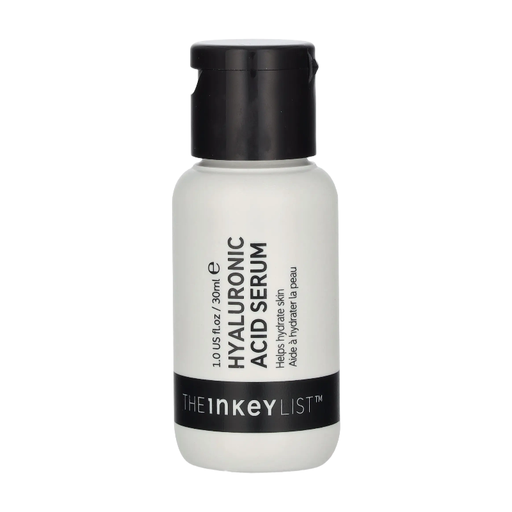
Why This Fits Their Persona: A straightforward starting point for UK shoppers who want daily hydration without adding a complicated treatment step.
Its ingredient list clearly identifies 2% multi-molecular hyaluronic acid and peptides, rather than relying only on vague hydration language.
Fragrance-free formula, lightweight texture and 30ml size designed for layering under moisturiser.
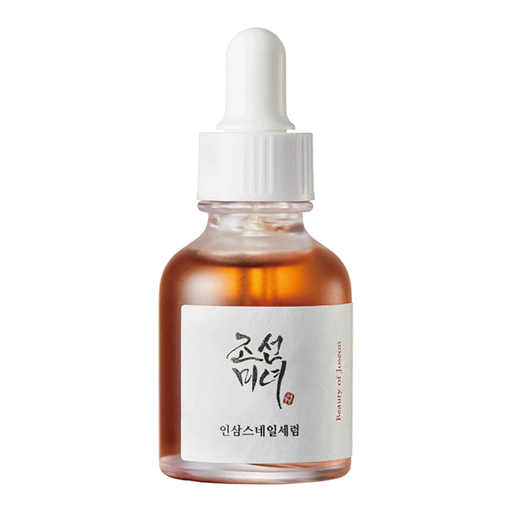
Why This Fits Their Persona: Suits shoppers looking for a more nourishing Korean skincare serum with a silky finish for dry, normal or combination skin.
The formula lists its key components, including ginseng root water, snail secretion filtrate, niacinamide and several hyaluronic acid forms.
Contains 63.36% ginseng root water and 3% snail mucin, with adenosine and liquorice root extract also listed.
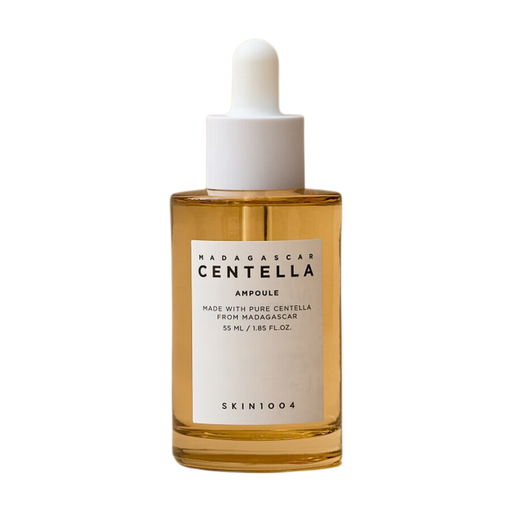
Why This Fits Their Persona: A practical option for sensitive or acne-prone users who prefer a short ingredient list and a watery, fast-absorbing ampoule.
The single listed ingredient, Centella Asiatica Extract, makes it easier to assess than a heavily fragranced multi-active formula.
100% Centella Asiatica Extract, 55ml capacity and a watery texture suitable for layering.
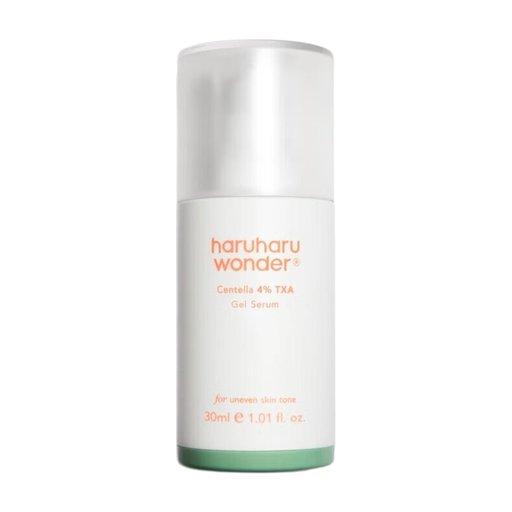
Why This Fits Their Persona: Designed for shoppers building a focused brightening serum routine around dark spots and uneven-looking tone.
The product specifies 4% tranexamic acid and 4% niacinamide, while also including Centella derivatives and no artificial fragrance.
Light gel texture, airless pump packaging and a formula that also lists ascorbic acid and sodium ascorbyl phosphate.
Apply serum after cleansing and toner, using the amount stated on the packaging. Start one new active product at a time and patch test when recommended. Finish a morning routine with sunscreen, particularly when using formulas containing retinal or other ingredients that may increase sensitivity.
For a simple routine, choose one main treatment serum and one moisturiser. If you need both hydration and brightening, a hyaluronic acid serum can generally sit beneath a targeted formula, provided the combined routine feels comfortable. Avoid treating several products as essential: consistency is usually more practical than a crowded shelf.
We have compiled a complete, real-time list of products that fully satisfy these strict selection criteria and UK safety regulations.
A 30ml serum may last several weeks to a few months, depending on whether you apply it to the face only, use it once or twice daily, and follow the recommended dose. Check the packaging for the period-after-opening symbol, expiry information and storage instructions.
Many brightening serums are designed for daily use, but tolerance depends on the complete formula. Introduce it gradually, patch test where appropriate and stop using it if irritation develops. Daytime sunscreen remains an important part of a routine focused on uneven tone.
Serum is normally applied before moisturiser, starting with the thinnest texture. A moisturiser helps provide the final layer of comfort and can reduce the tight feeling that sometimes follows water-based products. Always follow the specific directions supplied with your chosen formula.