
24/7 Customer Support

Free returns

Same-day & Next-day Delivery

Quality Guaranteed

Unlock Your Welcome Offers: FREE Delivery | Up to 80% OFF | Free 30-day JoyPlus trial
Download the APP
Korean face serums are popular in the UK because they offer a wide range of textures, ingredient combinations and skin-focused routines. However, attractive packaging and long ingredient lists do not automatically make a serum suitable for you.
The main buying mistakes are usually simple:
A practical purchase starts with the formula, your skin type and how the product will fit into your existing routine.
Different ingredients have different cosmetic roles:
Avoid building a routine around several products with overlapping actives. For example, using multiple brightening products containing niacinamide, vitamin C and exfoliating acids at once may make it harder to identify which formula suits you.
The ingredient list is more useful than the front-label promise. Ingredients are generally listed in descending order by concentration, although ingredients used at lower levels may appear in a different order.
Check for:
A fragrance-free formula is not automatically suitable for everyone and a product containing fragrance is not automatically unsuitable. The full formula and your personal history matter more than a single marketing label.
A watery serum is convenient for layering, while a gel or slightly viscous formula may feel more comfortable on dry skin. Airless pumps and single-use ampoules can reduce repeated exposure to air, but they may cost more per millilitre or create additional packaging waste.
For UK shoppers, also check the bottle size, directions, storage instructions and product warnings. Cosmetic products should be used externally, kept away from the eyes and discontinued if irritation develops. Patch testing a new formula on a small area is a sensible precaution, especially when trying a dark spot serum, exfoliating product or serum for sensitive skin.
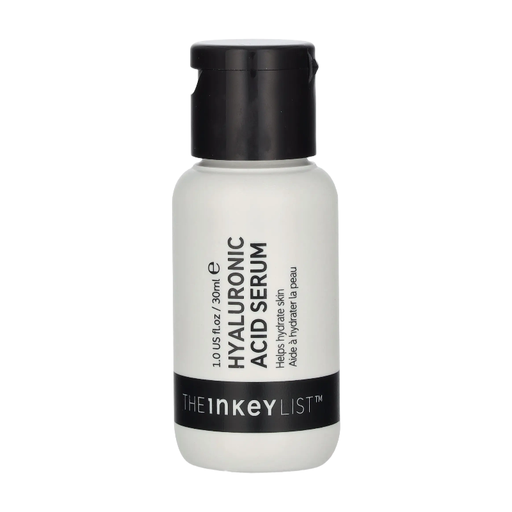
Why This Fits Their Persona: A straightforward starting point for UK shoppers who want daily hydration without building a complicated routine. Its 30ml size is practical for trying a hydrating face serum before committing to a larger collection.
The formula focuses on hyaluronic acid and peptides rather than an unnecessarily long list of competing treatment actives. It is also described as fragrance-free and lightweight.
2% multi-molecular hyaluronic acid; fast-absorbing, non-sticky texture; suitable for layering.
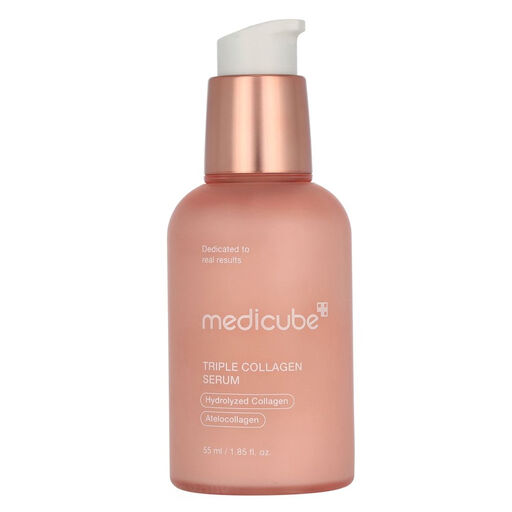
Why This Fits Their Persona: A 55ml option for shoppers who prefer a more substantial bottle and a nourishing serum that can be used morning and evening.
The product page identifies the forms of collagen, hyaluronic acid variants and adenosine, allowing buyers to assess the formula rather than rely only on a “glow” promise.
55ml capacity; lightweight texture; includes niacinamide, collagen ingredients and hyaluronic acid complexes.
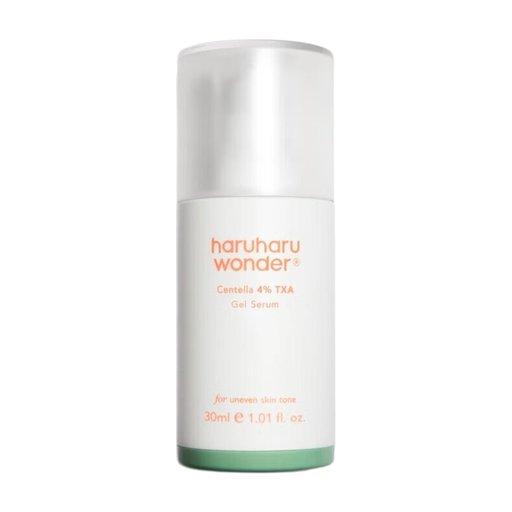
Why This Fits Their Persona: Suitable for shoppers focusing on dark spots and uneven-looking tone while wanting a light gel texture for regular morning or evening use.
The stated concentrations of tranexamic acid and niacinamide make the formula easier to compare with similar brightening serums. It is listed without artificial fragrance and drying alcohol.
4% tranexamic acid; 4% niacinamide; Centella complex; featherlight bouncy gel texture.
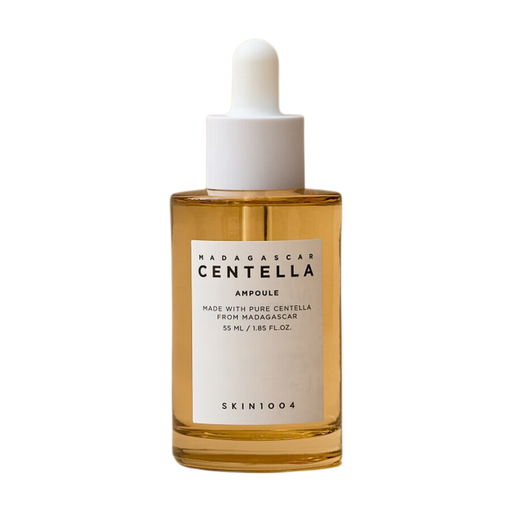
Why This Fits Their Persona: A simple option for people who prefer a short routine and a watery serum for sensitive, acne-prone or easily congested skin.
The listed formula contains Centella Asiatica Extract as its sole ingredient, avoiding a crowded active blend that may be harder to troubleshoot.
55ml size; 100% Centella Asiatica Extract listed; watery, fast-absorbing texture.
We have compiled a complete, real-time list of products that fully satisfy these strict selection criteria and UK safety regulations.
Apply serum after cleansing and toner, if you use one, then follow with moisturiser. Most formulas work with two or three drops or one pump; using more does not necessarily improve the result.
For a hyaluronic acid serum, applying it to slightly damp skin and sealing it with moisturiser can improve comfort, particularly in centrally heated rooms. Introduce brightening or exfoliating products gradually. In the morning, use sunscreen as the final skincare step because pigmentation concerns can be affected by UV exposure.
Do not introduce several new products simultaneously. A simple routine makes it easier to identify whether a product causes dryness, stinging, redness or spots. Follow the packaging instructions and check the ingredient list supplied with the product, as formulations can change.
Some are, but “Korean” describes the product’s skincare tradition or origin rather than a guarantee of compatibility. Look for a shorter ingredient list, avoid known allergens and consider a Centella ampoule or fragrance-free formula. Always patch test and stop use if irritation occurs.
Usage varies. Two or three drops once daily may make a 30ml bottle last several months, while morning-and-evening application uses it more quickly. Pump packaging and single-use vials provide more consistent amounts, but compare the total millilitres before judging value.
Usually, they can be layered if your skin tolerates both. Apply the lighter, watery product first, followed by the treatment serum and moisturiser. Start on alternate days if either formula contains several active ingredients and use sunscreen during the day.