
24/7 Customer Support

Free returns

Same-day & Next-day Delivery

Quality Guaranteed

Unlock Your Welcome Offers: FREE Delivery | Up to 80% OFF | Free 30-day JoyPlus trial
Download the APP
Choosing among Korean facial cleansers can be confusing. A gel may look gentle but leave sunscreen behind, while a rich foaming cleanser can make skin feel uncomfortably tight. Marketing terms such as “pore detox”, “brightening” and “barrier care” are also easy to overinterpret.
For UK skincare shoppers, the practical choice depends less on attractive claims and more on the cleanser’s surfactants, pH, active ingredients and intended use. The right Korean face wash should remove the day’s dirt and products without creating a new problem for your skin.
A thick lather can feel satisfying, but foam volume does not automatically indicate stronger cleansing. Some high-alkaline or heavily degreasing formulas may remove too much surface oil, leaving dryness and tightness after washing.
If your skin feels squeaky, flaky or uncomfortable within minutes of rinsing, the product may be too cleansing for everyday use. Look for a gentle facial cleanser containing amino-acid or mild surfactants, plus humectants such as glycerin, betaine or hyaluronic acid.
Ingredients such as salicylic acid, gluconolactone, papain and botanical extracts can be useful considerations in a pore-cleansing face wash. However, a cleanser is rinsed away relatively quickly. It should not be expected to deliver the same effect as a leave-on serum or treatment.
Using several exfoliating products at once can also increase the chance of stinging or dryness. Introduce one active cleanser at a time and reduce use if your skin becomes irritated.
Many Korean face washes can remove light makeup, sebum and daily residue. Waterproof mascara, long-wear foundation and water-resistant sunscreen may require a separate first step.
A cleansing oil is usually more suitable for dissolving oil-based products. It should be massaged onto dry skin, emulsified with water and rinsed thoroughly. Follow with a water-based cleanser if you need a double-cleansing routine.
A low-pH cleanser is commonly selected by people who want a less stripping daily wash. Product descriptions may state a pH around 5.5, while others may not provide a figure. Do not assume that every “mild” or “natural” cleanser has the same pH.
Check the ingredient list for cleansing agents such as:
These ingredients can help create a comfortable cleanse, although the complete formula and your individual skin response matter more than one ingredient alone.
Choose based on what you want the product to do:
Fragrance, essential oils and botanical extracts are not automatically unsuitable, but they can be a concern for reactive skin. Always read the current packaging and ingredient list, particularly if you have known allergies or are prone to irritation.
Patch testing a new product on a small area before applying it to the whole face is a sensible precaution. Avoid applying cleanser to broken, inflamed or severely irritated skin.
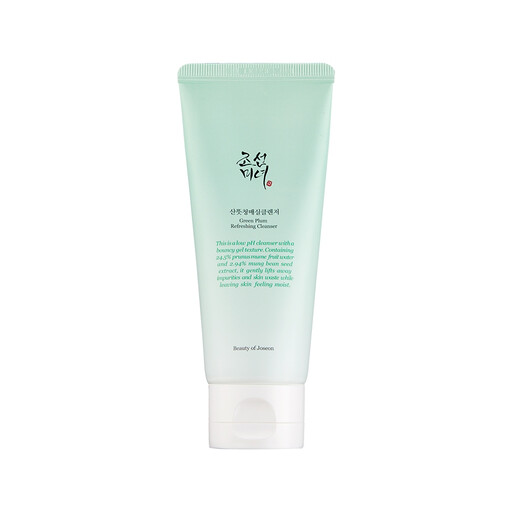
Why This Fits Their Persona: Its gel-to-foam texture and 100ml size offer a straightforward entry point for shoppers building a daily routine in the UK.
The low-pH positioning and lightweight gel format avoid relying on harsh, high-foam cleansing alone.
Contains green plum water, mung bean extract and glycerin in a slightly acidic cleanser.
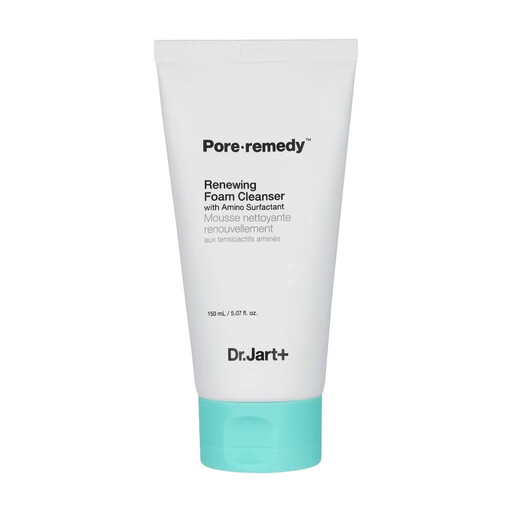
Why This Fits Their Persona: A 150ml amino-based foaming cleanser suits shoppers wanting a polished daily wash with a cushiony texture.
It combines a foaming format with glycerin and panthenol rather than presenting foam as the only measure of performance.
Fragrance-free formula with glycerin, panthenol and several cleansing agents designed for a thorough foam cleanse.
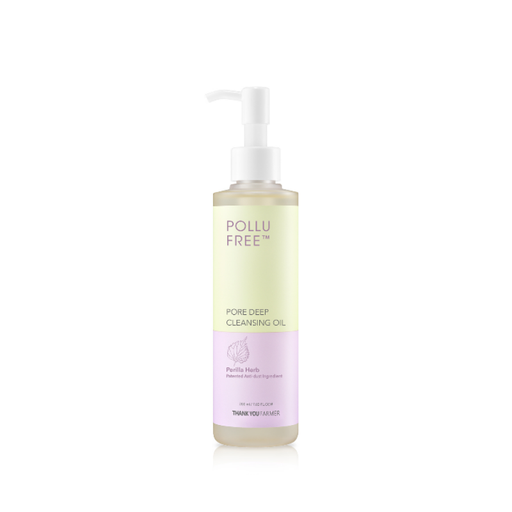
Why This Fits Their Persona: It is suited to commuters, frequent sunscreen users and anyone exposed to urban pollution or long outdoor days.
It is positioned as a first cleansing step, so shoppers do not need to overwork a water-based face wash against makeup or sunscreen.
Light oil texture; emulsifies with water and is designed to remove makeup, sunscreen and daily surface impurities.
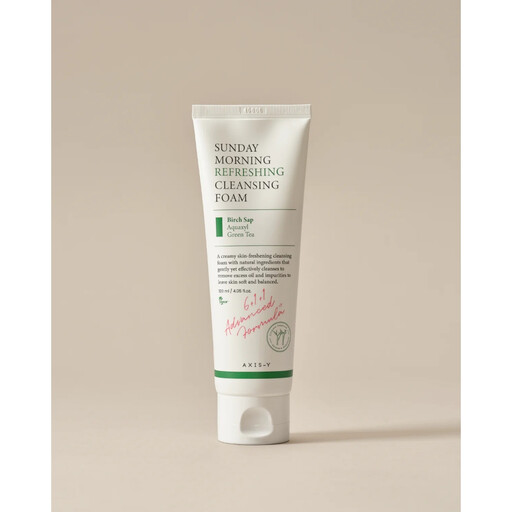
Why This Fits Their Persona: A low-pH daily foam can suit shoppers seeking a simple morning-and-evening routine without added exfoliating acids.
Its stated pH 5.5 helps shoppers distinguish a low-pH cleanser from a generic high-foam formula.
Contains glycerin, birch sap, allantoin and centella asiatica extract in a creamy foam format.
We have compiled a complete, real-time list of products that fully satisfy these strict selection criteria and UK safety regulations.
Use lukewarm rather than hot water, and avoid scrubbing with a flannel or cleansing brush. Wet your face, create the lather in your hands, then massage gently for around 30–60 seconds. Rinse thoroughly and pat dry.
For cleansing oil, begin with dry hands and a dry face, massage until makeup and sunscreen loosen, then add water to emulsify the oil into a milky texture. Follow with a foaming cleanser when necessary, rather than automatically double cleansing every morning.
If using an exfoliating cleanser containing AHA, BHA, PHA or enzymes, start less frequently and avoid combining it with several other exfoliating products. During daytime, use suitable sun protection as directed on the product packaging.
Look for a low-pH or gentle facial cleanser with mild surfactants and moisturising ingredients such as glycerin, panthenol or betaine. Fragrance and essential oils may not suit everyone, so check the full ingredient list and patch test first.
Not always. A cleansing oil can be useful for removing makeup, water-resistant sunscreen and oil-soluble residue. If you rarely wear these products, a single Korean face wash may be enough. For heavier product use, cleansing oil followed by a water-based cleanser can be more practical.
This depends on the size, amount used and frequency. A 100–150ml cleanser used once or twice daily may last several weeks to a few months. Using a small amount and following the product directions helps prevent waste, while checking the packaging for the recommended period after opening and storage guidance.