
24/7 Customer Support

Free returns

Same-day & Next-day Delivery

Quality Guaranteed

Unlock Your Welcome Offers: FREE Delivery | Up to 80% OFF | Free 30-day JoyPlus trial
Download the APP
Korean facial cleansers range from lightweight gels and rich foams to cleansing oils, balms and exfoliating formulas. That variety is useful, but it can also make comparison difficult. A cleanser described as “deep cleansing” may leave dry skin feeling tight, while a formula marketed for pores may contain exfoliating ingredients that are unsuitable for everyday use.
For UK skincare shoppers, the main buying pitfalls are often:
The right choice depends on your skin type, daily routine and the product’s texture and cleansing purpose.
A cleansing oil or cleansing balm is generally used as the first step of double cleansing. Apply it to dry skin, massage gently, emulsify with lukewarm water and rinse. This format is practical for dissolving make-up, sunscreen and oil-soluble residue.
A cleansing foam, gel or low-pH cleanser is usually used as the second step, or on its own when your skin only has light daily impurities. If you rarely wear make-up or water-resistant SPF, a single gentle cleanse may be sufficient.
A low-pH cleanser is commonly formulated around the mildly acidic range associated with the skin’s surface. However, pH alone does not determine whether a product will suit you. Check the cleansing agents, fragrance, essential oils and exfoliating ingredients as well.
For a gentle cleanser for sensitive skin, consider:
Always check the packaging for the latest INCI list, directions and warnings. Patch testing is sensible, particularly if you have reactive skin or are introducing acids, enzymes or salicylic acid.
An exfoliating cleanser may contain enzymes, salicylic acid, gluconolactone or gentle particles. These can appeal to shoppers concerned about rough texture or congestion, but more frequent use is not necessarily better. Start according to the label instructions and avoid combining several exfoliating products immediately.
For oily or congested skin, a pore-cleansing face wash can be useful as part of a balanced routine. It should not be expected to permanently change pore size or replace professional advice for persistent skin concerns.
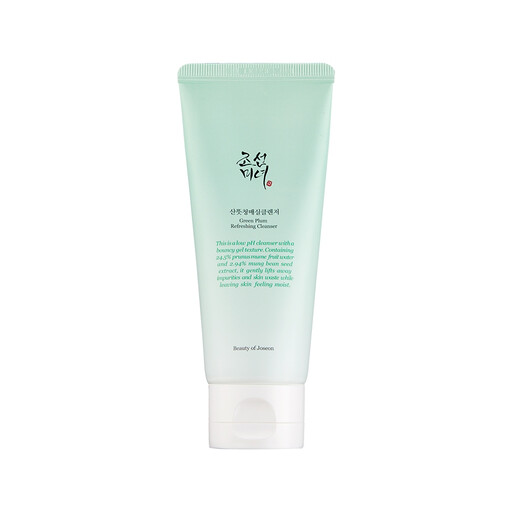
Why This Fits Their Persona: A straightforward gel-to-foam option for shoppers building a simple morning and evening routine without adding a separate exfoliating step.
Its low-pH positioning and lightweight gel texture make it clearer what role it plays: a daily water-based cleanser rather than a heavy-duty make-up remover.
Contains green plum water, mung bean extract and glycerin; the listed 100ml gel format is suitable for regular use.
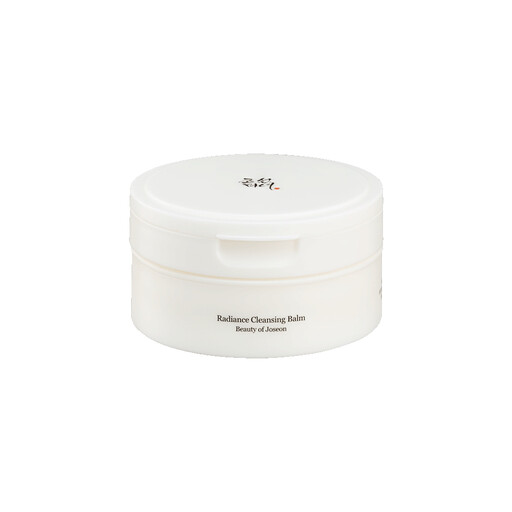
Why This Fits Their Persona: A balm format suits shoppers who regularly remove base make-up, eye make-up or water-resistant sunscreen and prefer a richer first-cleanse texture.
It is clearly positioned as a first cleanse, reducing the risk of expecting a balm to replace every water-based Korean face wash.
The sorbet texture melts into an oil; the product listing identifies rice bran water, grain extracts and a 100ml size.
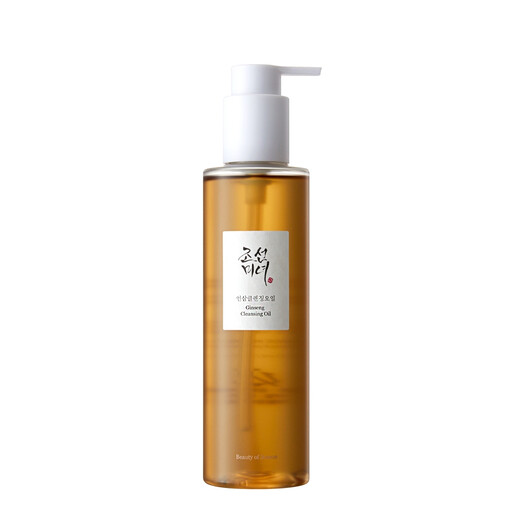
Why This Fits Their Persona: Suitable for frequent make-up or SPF users who want a larger first-cleanse format for a regular double cleansing routine.
The directions specify dry hands and face, followed by emulsification with water, helping prevent the oily residue associated with incorrect rinsing.
Watery oil texture; listed soybean oil, ginseng seed oil and micellar cleansing technology; 210ml capacity.
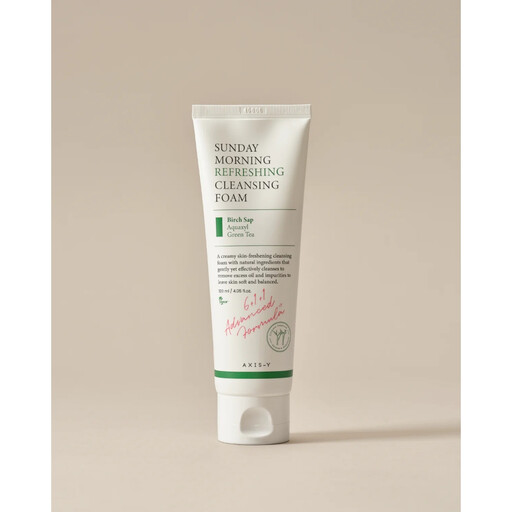
Why This Fits Their Persona: A daily foam option for people who prefer a creamy lather but want to avoid a tight post-wash feel.
Its listed pH of 5.5 gives shoppers a specific reference point instead of relying only on vague “mild” wording.
Contains glycerin, birch sap, panthenol and sodium hyaluronate; the 120ml tube is practical for daily use.
We have compiled a complete, real-time list of products that fully satisfy these strict selection criteria and UK safety regulations.
Not necessarily. Double cleansing can be useful after make-up, water-resistant sunscreen or a long day outdoors. On mornings or make-up-free days, one suitable gentle cleanser may be enough. Over-cleansing can contribute to dryness and discomfort.
They can be, provided the formula suits you and is emulsified and rinsed properly. A cleansing oil is designed to dissolve oil-based residue; it is normally followed by a water-based cleanser when further cleansing is needed. Introduce one product at a time and monitor your skin.
Usage varies according to the amount used and whether it is applied once or twice daily. A small, pea-sized amount is often sufficient for a foam or gel cleanser, while cleansing oils may require two or three pumps. Follow the product directions and check the packaging for storage and expiry guidance.