
24/7 全天候客户支持

免费退货

当日/次日达

品质保障

开启新人专享福利: 全场免邮 | 低至 2 折 | 免费试用 30 天 JoyPlus 会员
下载 Joybuy
Choosing among Korean facial cleansers can be confusing. Gel, foam, bubble, enzyme and pore-cleansing formulas may look similar online, yet their surfactants, exfoliating ingredients and finish can feel very different on UK skin—particularly during cold, dry weather or when indoor heating affects moisture levels.
Marketing can also make a cleanser appear more specialised than it is. Before buying, watch for these common pitfalls:
A gel cleanser usually feels lightweight and is easy to spread across damp skin. It can suit shoppers who prefer a quick morning wash or a non-heavy evening cleanse. The Axis-Y Quinoa One-Step Balanced Gel Cleanser and Beauty of Joseon Green Plum Refreshing Cleanser are examples of gel-to-lather formats.
A foaming facial cleanser creates a cushion between hands and skin. This may appeal to oily or combination-skin shoppers who prefer a fresh finish, although a high-foaming formula is not automatically suitable for daily use if it leaves tightness.
A bubble, enzyme or scrub-style cleanser needs more careful use. Konjac particles, acids and enzymes can add a smoothing step, but they should not be treated as a replacement for every other exfoliating product in your routine.
Ingredients such as quinoa, green tea, rice, yuja, centella asiatica and snail filtrate attract attention, but the surfactant base largely determines how the product cleanses. Examples of milder cleansing agents include cocamidopropyl betaine, sodium cocoyl glutamate, potassium cocoyl glycinate and sodium cocoyl isethionate.
If your face feels squeaky, tight or uncomfortable after washing, the formula may be too cleansing for your current routine. A hydrating facial cleanser containing glycerin, betaine, panthenol, sodium hyaluronate or similar humectants may feel more comfortable, although no ingredient guarantees a particular result.
A low-pH cleanser is often selected by shoppers who want a formula closer to the skin’s naturally acidic surface. Product descriptions may state a pH around 5 or 5.5, but pH can vary between batches and should not be assumed unless confirmed by the brand or packaging.
For oily, congested or acne-prone skin, salicylic acid, willow bark and PHA may be appealing. However, these ingredients can be unnecessary if you already use leave-on acids, retinoids or other intensive treatments. Introduce one new active product at a time and reduce contact time if your skin feels uncomfortable.
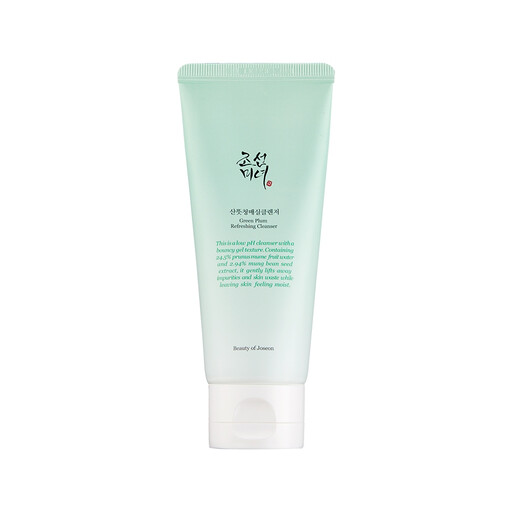
Why This Fits Their Persona: A straightforward daily gel-to-foam option for shoppers building a Korean skincare cleanser routine without choosing a multi-purpose exfoliating product.
Its low-pH, slightly acidic positioning and lightweight texture avoid relying solely on a dense foam or aggressive pore-care message.
Contains green plum water, mung bean extract and glycerin; listed as vegan and cruelty-free.
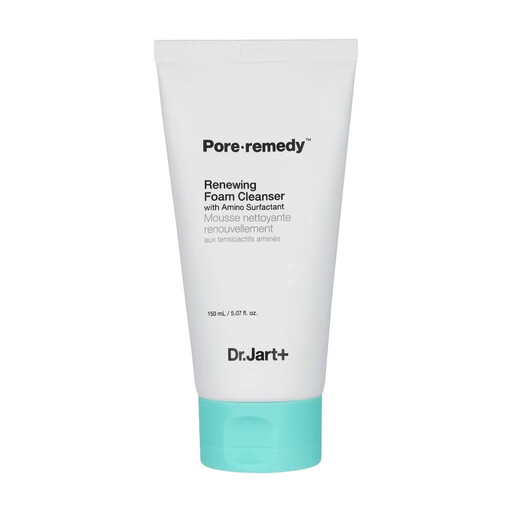
Why This Fits Their Persona: Suits shoppers who prefer a substantial foam texture and a larger 150ml format for regular morning and evening cleansing.
The product information identifies glycerin and panthenol alongside an amino-based cleansing system, rather than presenting pore cleansing without moisture support.
Fragrance-free listing; contains glycerin, panthenol and gluconolactone.
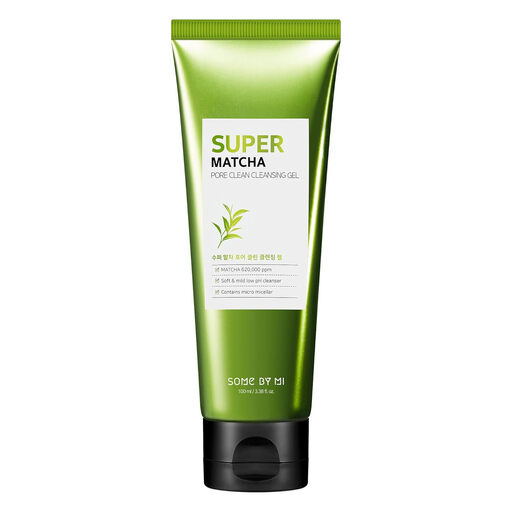
Why This Fits Their Persona: Designed for shoppers specifically seeking pore care, a gel texture and occasional exfoliating support for oily or combination skin.
The formula clearly identifies willow bark, PHA and konjac particles, making its exfoliating function easier to assess before purchase.
Contains 62% matcha leaf water according to the product listing; uses a low-pH, sulphate-free gel base.
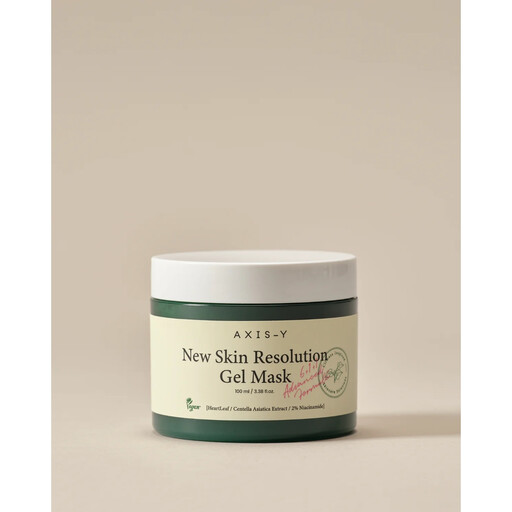
Why This Fits Their Persona: A larger 180ml gel format for shoppers who want a simple cleanser with a comfortable, non-squeaky finish.
It focuses on gentle cleansing and moisture balance rather than combining several exfoliating features in one daily wash.
Contains quinoa seed extract, glycerin, betaine and centella asiatica; listed as vegan-certified and cruelty-free.
Use lukewarm water, wet your face and hands, then emulsify the product between your palms. Massage lightly for around 30 seconds rather than scrubbing and rinse thoroughly. In the UK, hard water can leave some people feeling a residue after washing, so a complete rinse and gentle pat-dry can make the routine more comfortable.
Use a separate first cleanse when wearing waterproof make-up or water-resistant sunscreen, unless the product instructions specifically indicate otherwise. Patch test new formulas, particularly those containing fragrance, essential oils, salicylic acid, PHA, AHA or enzymes. Stop use if persistent redness, itching or stinging develops and seek professional medical advice where appropriate.
We have compiled a complete, real-time list of products that fully satisfy these strict selection criteria and UK safety regulations.
Some are formulated with low-pH systems, glycerin, panthenol or centella asiatica, but suitability depends on the complete formula and your personal sensitivities. Avoid assuming that “gentle” or “hypoallergenic” guarantees compatibility. Check the packaging and patch test first.
Many low-pH cleansers are positioned for morning and evening use, but twice-daily cleansing is not essential for everyone. If your skin feels dry, try using the cleanser once daily and rinsing with water at the other time.
A pore-cleansing face wash may remove surface oil and residue, while formulas containing exfoliating ingredients can help loosen congestion. However, rinse-off products cannot guarantee permanent changes. Avoid forceful squeezing and introduce exfoliants gradually.