
24/7 全天候客户支持

免费退货

当日/次日达

品质保障

开启新人专享福利: 全场免邮 | 低至 2 折 | 免费试用 30 天 JoyPlus 会员
下载 Joybuy
Korean facial cleansers cover a wide range of needs, from simple daily washing to pore care, exfoliation and hydration. However, attractive packaging and ingredient-led marketing can make it difficult to know which formula suits your skin.
For UK shoppers, the right choice should depend on cleansing strength, skin comfort and how often you plan to use it, rather than a long list of headline ingredients.
A thick lather can feel satisfying, but foam volume does not automatically indicate superior cleansing. Some highly foaming formulas may leave dry or combination skin feeling tight, particularly during colder months or in homes with hard water.
Look for the cleanser’s surfactant system and the finish after rinsing. Amino-acid and gentle plant-derived surfactants are often preferred by shoppers seeking a gentle facial cleanser or cleanser for sensitive skin, although the complete formula still matters.
AHA, BHA, PHA, enzymes and scrub particles can help remove surface build-up, but an exfoliating cleanser is not automatically suitable for twice-daily use. Combining it with leave-on acids, retinoids or abrasive scrubs may increase the risk of discomfort.
If you are choosing an acne cleanser or pore-cleansing face wash, check whether it contains salicylic acid, willow bark, enzymes or physical particles. Start with less frequent use if your skin is reactive.
A cleanser is rinsed away quickly. Ingredients such as rice extracts, tranexamic acid or botanical extracts may support the product’s positioning, but a wash-off product should not be expected to permanently change pigmentation or pore size.
Focus on practical benefits: whether it removes sunscreen residue, how comfortable skin feels afterwards and whether the texture suits your routine.
A low-pH cleanser is generally designed to sit closer to skin’s naturally acidic surface environment. Product descriptions may state an approximate pH, such as 5.5, but shoppers should still check the current packaging and ingredient list.
Do not select several exfoliating products simply because each one appears mild. If your cleanser includes salicylic acid, gluconolactone, papain, AHA or physical particles, introduce it gradually and stop if persistent irritation develops.
Fragrance-free options may be preferable if your skin is easily irritated. A botanical formula is not automatically fragrance-free: essential oils and aromatic plant extracts can still appear in the INCI list.
For UK purchases, review the packaging for the full current ingredient list, usage directions, responsible person details and required cosmetic information. Packaging information takes priority over older online descriptions.
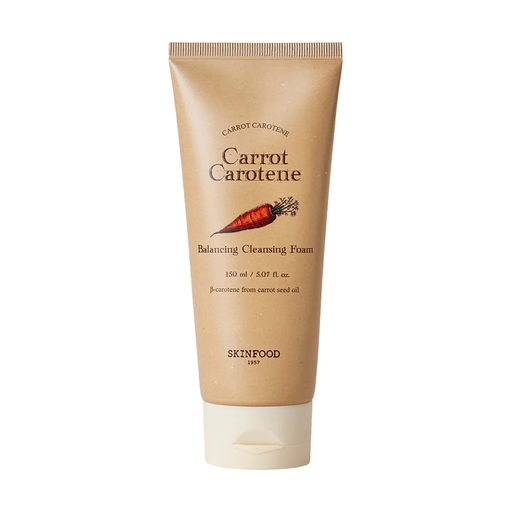
Why This Fits Their Persona: A straightforward 150ml cream-to-foam option for shoppers starting a daily cleansing routine and looking for a moisturising finish.
Its positioning focuses on cleansing and moisture support rather than relying solely on pore or brightening promises.
Contains glycerin, squalane and hyaluronic acid ingredients; 150ml size suits regular use.
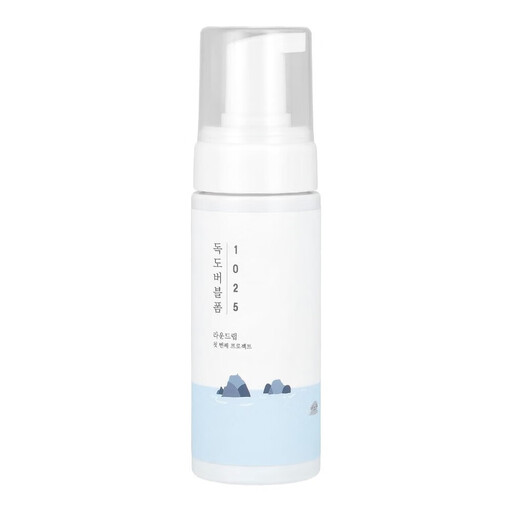
Why This Fits Their Persona: Suitable for shoppers who prioritise a pre-foamed pump format and a clearly described low-pH, amino-acid cleansing system.
The product information identifies both cleansing agents and supporting ingredients, making comparison easier than relying on a vague “deep clean” label.
Low-pH formula; includes glycerin, hyaluronic acid, panthenol and allantoin.
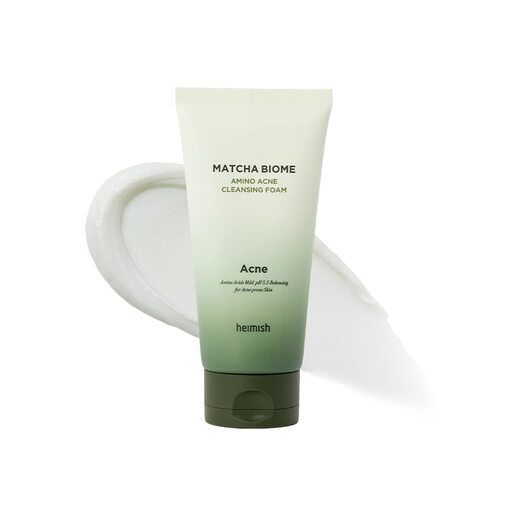
Why This Fits Their Persona: A practical option for oily or blemish-prone shoppers who also want to use one cleanser on areas such as the back or chest.
Its stated 0.5% salicylic acid content is more informative than an unspecified “pore detox” claim, while the formula still uses amino-acid surfactants.
Contains 0.5% salicylic acid; suitable for face and body cleansing according to the product description.
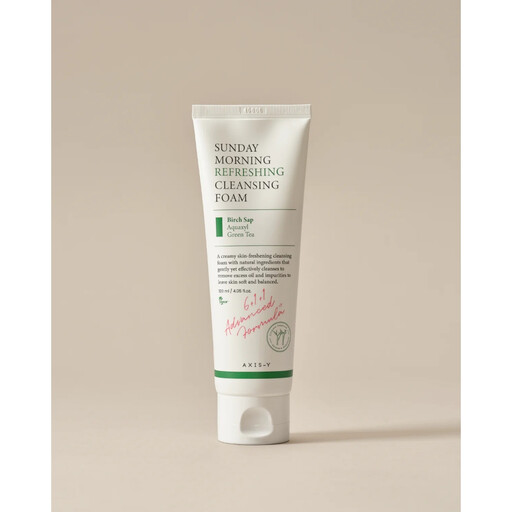
Why This Fits Their Persona: Designed for shoppers seeking an everyday low-pH cleanser with a soft lather and a routine that avoids intensive exfoliation.
It gives a stated pH of 5.5 and focuses on daily cleansing rather than promising treatment-level results.
Includes glycerin, birch sap, mugwort, allantoin and sodium hyaluronate; described as vegan-certified.
We have compiled a complete, real-time list of products that fully satisfy these strict selection criteria and UK safety regulations.
Use lukewarm water rather than very hot water, create the lather in your hands and massage lightly for around 30–60 seconds. A small amount is usually enough, so applying more product or scrubbing harder may simply increase waste and friction.
If you wear heavy or waterproof makeup, use a suitable first cleansing step rather than expecting a daily face cleanser alone to remove everything. Rinse thoroughly, pat dry and apply moisturiser while skin is still comfortable.
For an acne cleanser or pore-cleansing face wash, avoid applying it to broken or severely irritated skin. Products containing exfoliating ingredients may also require daytime sunscreen, according to their usage warnings.
Some are, but “Korean skincare” is not a skin-sensitivity guarantee. Check for fragrance, essential oils, exfoliating acids and physical particles. A low-pH, fragrance-free or simple amino-acid cleanser may be easier to introduce, but patch testing remains sensible.
Many low-pH cleansers are designed for daily use, but the complete formula and your skin’s response matter. If it also contains salicylic acid, enzymes or scrub particles, begin once daily or less frequently and adjust according to comfort.
With a small, consistent amount, a 120–150ml tube or pump bottle may last several weeks to a few months. Usage frequency, face-and-body application and whether you share the product will affect the lifespan. Keep the container closed and follow the storage guidance on the packaging.