
24/7 Customer Support

Free returns

Same-day & Next-day Delivery

Quality Guaranteed

Unlock Your Welcome Offers: FREE Delivery | Up to 80% OFF | Free 30-day JoyPlus trial
Download the APP
A Korean facial sunscreen can make daily UV protection feel more comfortable, but attractive packaging and skincare-led marketing do not always make choosing straightforward. UK shoppers commonly compare SPF numbers, glowing finishes and “sensitive skin” labels without checking the details that affect real-life use.
Three buying pitfalls are particularly common:
The most suitable K-beauty sunscreen is therefore the one you can apply generously and consistently, while matching your preferred finish and routine.
SPF primarily indicates protection against UVB, the rays associated with sunburn. For regular facial use, SPF30 and SPF50 are common choices. SPF50 or SPF50+ sunscreen can be a practical option for extended outdoor exposure, holidays and people who prefer a higher labelled level.
The PA rating communicates UVA protection on a plus scale. PA++++ sunscreen has a higher stated UVA protection category than PA+++ products under the relevant Asian labelling system. However, these ratings do not remove the need to seek shade, wear suitable clothing or avoid prolonged direct sunlight.
When shopping in the UK, also check the packaging for the product’s applicable UVA marking and follow the latest label instructions. Do not use the rating alone to judge whether a formula suits your eyes, skin sensitivity or make-up routine.
A chemical Korean SPF sunscreen uses organic UV filters that absorb UV radiation. These formulas often have fluid, serum-like textures and can be easier to spread without a visible cast. The SKIN1004 option below, for example, is described as a lightweight chemical sunscreen.
A mineral sunscreen uses filters such as zinc oxide. Mineral formulas may appeal to shoppers who prefer this filter type, although they can require more careful blending. The Axis-Y and Beauty of Joseon tinted options use zinc oxide according to their supplied ingredient information.
A hybrid formula combines filter types. The Thank You Farmer Water Sun Cream is described as using a blend of six UV filters. Always read the current ingredient list on the product packaging, particularly if you have known sensitivities.
Texture influences whether you will use enough product every morning:
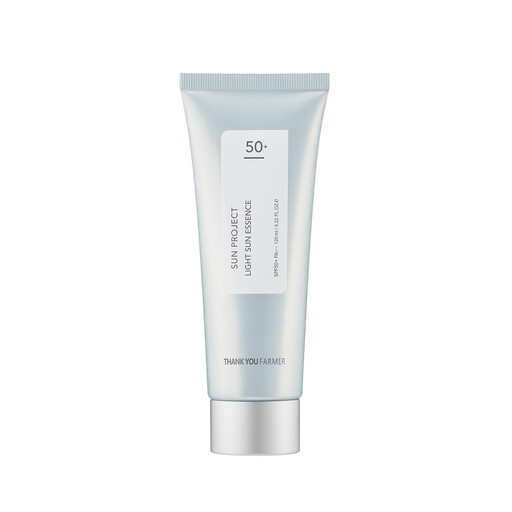
Why This Fits Their Persona: The larger 120ml format suits shoppers starting a daily face sunscreen habit and wanting one lightweight essence for the face, neck and other exposed areas.
Its SPF50+ PA+++ rating and stated lightweight, non-greasy texture address the common mistake of choosing a product that feels too heavy for regular use.
120ml size; essence texture; described as leaving a dewy finish without a visible white cast.
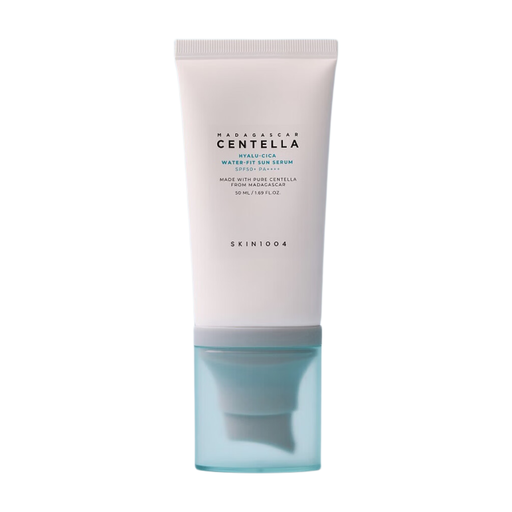
Why This Fits Their Persona: Suitable for shoppers prioritising a refined serum-like feel, clear finish and a make-up-compatible morning routine.
The supplied details specify a transparent finish and no fragrance, alcohol or essential oils, helping address concerns about cast and sensory discomfort.
SPF50+ PA++++; watery texture; hyaluronic acid and centella asiatica listed in the ingredients.
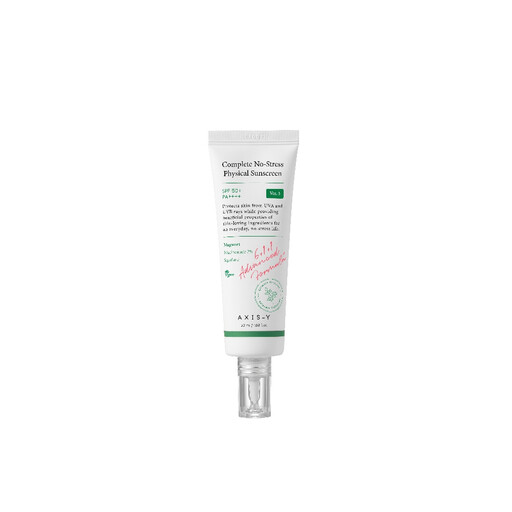
Why This Fits Their Persona: A practical match for shoppers specifically seeking a zinc oxide mineral sunscreen for sensitive, oily or acne-prone skin.
It uses zinc oxide and is described as fragrance-free, while the supplied guidance recommends a patch test rather than assuming every sensitive skin type will react identically.
SPF50 PA++++; zinc oxide-based formula; mugwort, centella and sodium hyaluronate are listed.
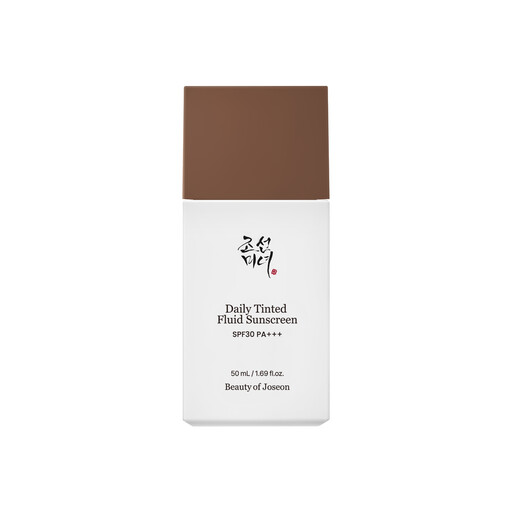
Why This Fits Their Persona: The tinted fluid is designed for shoppers who want sheer complexion-evening coverage with their daily sunscreen step.
Its zinc oxide and iron oxide tint can reduce the appearance of a pale mineral residue, while the shade still needs to be checked against your undertone.
SPF30 PA+++; sheer tint; fluid texture and soft satin finish described in the product details.
We have compiled a complete, real-time list of products that fully satisfy these strict selection criteria and UK safety regulations.
SPF30 can suit ordinary daily exposure when applied correctly, while SPF50 or SPF50+ may be preferable for lengthy outdoor periods or strong sunlight. Reapplication, shade and clothing remain important because no sunscreen provides unlimited protection.
Yes, many lightweight sunscreen and essence formulas are designed for layering. Apply enough sunscreen first, wait for it to settle and avoid rubbing repeatedly when applying foundation. Tinted sunscreen can combine light coverage with UV protection, but it should not be applied too thinly merely to achieve a make-up-like finish.
There is no universal lifespan once opened. Check the product packaging for its period-after-opening symbol, expiry or batch information, and store it away from heat and direct sunlight. Replace it sooner if the texture, colour or smell changes.