
24/7 全天候客户支持

免费退货

当日/次日达

品质保障

开启新人专享福利: 全场免邮 | 低至 2 折 | 免费试用 30 天 JoyPlus 会员
下载 Joybuy
Choosing a Korean facial toner is not simply about picking the prettiest bottle or the ingredient with the most impressive-sounding name. Toners can range from watery hydration steps to leave-on exfoliants, milky barrier-support formulas and brightening essences. The right choice depends on your skin type, routine and tolerance for active ingredients.
For shoppers in the UK, there are three common pitfalls to avoid:
For dehydration, look for a hydrating toner containing humectants such as glycerine, beta-glucan, panthenol, sodium PCA or hyaluronic acid. These ingredients help the skin hold water at the surface, but a moisturiser is still needed afterwards to reduce moisture loss.
For dry or sensitive skin, a barrier-strengthening toner may be more appropriate. Ceramide NP, cholesterol, hydrogenated lecithin and soothing ingredients such as centella asiatica can complement a simple routine. A lightweight centella toner can be useful when you want hydration without a strongly active formula.
For rough texture, visible congestion or an oily T-zone, consider an exfoliating toner. AHA generally works on surface texture, while BHA is oil-soluble and commonly used in products aimed at congested pores. PHA is often positioned as a milder exfoliating option, although individual tolerance still varies.
Marketing labels such as “brightening”, “glass skin” or “pore care” do not tell you enough about a formula. Check whether the product includes:
A product can contain helpful ingredients and still not suit your skin. Patch testing is sensible, particularly when introducing acids, fragrance or several new products at once.
A watery toner is convenient for oily or combination skin and usually layers easily under serum. A viscous, ampoule-like formula may feel more comfortable on dry skin. Milky toners can provide a more nourishing finish, but may feel too rich for people who dislike residue.
Apply toner after cleansing, using clean hands or a cotton pad according to the product instructions. Patting can reduce unnecessary friction, while cotton pads may be useful when the formula is intended for gentle sweeping. Multiple layers, sometimes called the “7 skin method”, are optional rather than essential; one well-applied layer followed by moisturiser may be sufficient.
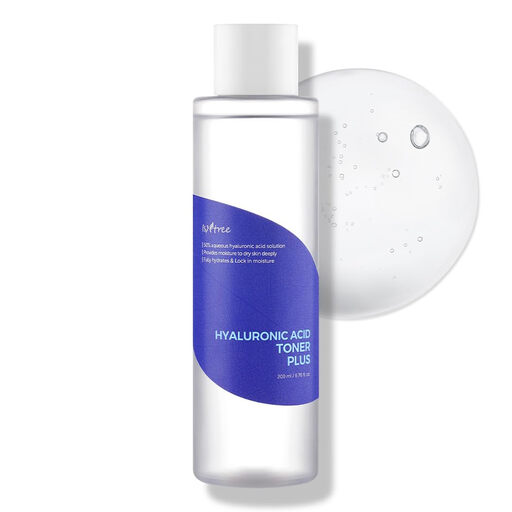
Why This Fits Their Persona: A straightforward starting point for dry, combination or dehydrated skin, with a generous 200ml size and an ampoule-like texture for everyday use.
It is positioned around hydration rather than exfoliation, and the listed formula is free from artificial fragrance and alcohol.
Contains five types of hyaluronic acid, plus panthenol and centella asiatica extract; suitable for layering.
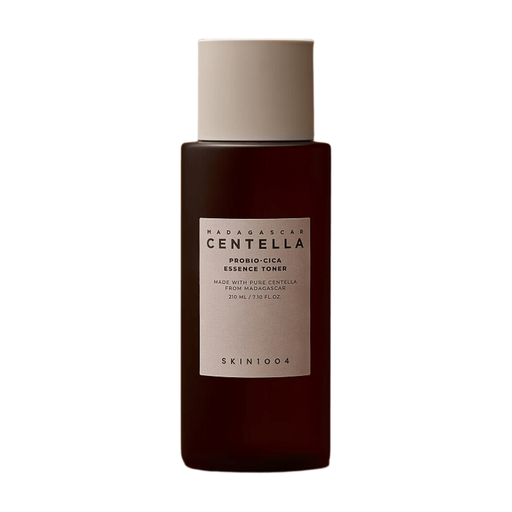
Why This Fits Their Persona: A good match for shoppers who prefer an essence-toner feel and want hydration, centella and barrier-focused ingredients in one step.
Its role is clearly defined as a nourishing, watery essence toner rather than an aggressive acid treatment.
Includes fermented centella extract, panthenol, ceramide NP and several forms of hyaluronic acid.
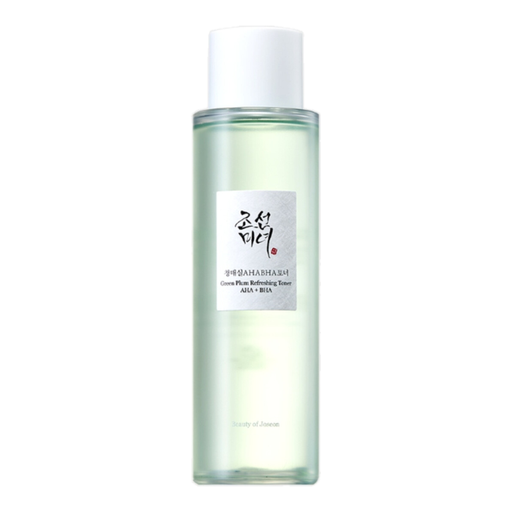
Why This Fits Their Persona: Suits experienced skincare users focused on oily, congested or uneven-feeling skin and looking for a leave-on exfoliating toner.
The formula identifies its exfoliating purpose and lists glycolic acid and salicylic acid, so it is easier to distinguish from a basic hydrating toner.
Contains 3% glycolic acid, 0.5% salicylic acid, green plum water and mung bean extract.
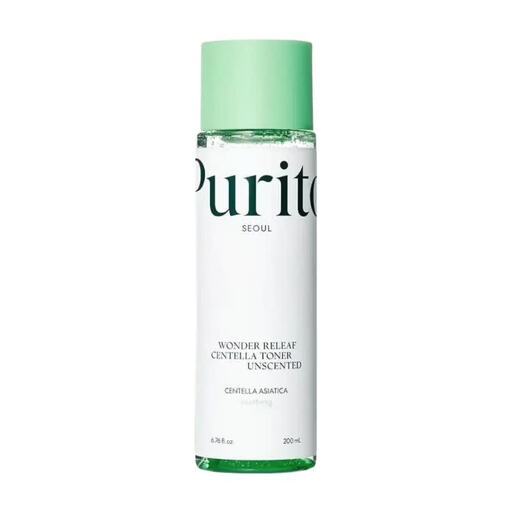
Why This Fits Their Persona: Suitable for a pared-back morning and evening routine where fragrance and essential oils are best avoided.
It is an unscented, alcohol-free formula without essential oils, reducing unnecessary complexity in a sensitive-skin routine.
Contains centella asiatica, panthenol, allantoin and sodium hyaluronate in a lightweight watery texture.
Use one toner after cleansing, then follow with serum and moisturiser. If you choose an AHA BHA PHA toner, begin on alternate evenings rather than combining several exfoliating products immediately. Avoid applying acids to broken or irritated skin, and use sunscreen during the day because exfoliating products may increase sensitivity to sunlight.
If your skin feels tight, hot, stings or develops persistent redness, stop using the product. A toner is optional, so there is no need to continue a formula that does not feel comfortable. Always check the packaging for the latest ingredients, warnings, batch details and storage guidance.
We have compiled a complete, real-time list of products that fully satisfy these strict selection criteria and UK safety regulations.
No. Toner can add hydration, prepare the skin for later products or provide controlled exfoliation, but a cleanser, moisturiser and daytime sunscreen may be enough for a simple routine.
Follow the product directions and start slowly. Once or twice weekly may be more appropriate for beginners, while some low-strength formulas are designed for more frequent use. Do not combine multiple acid products until you know how your skin responds.
Check the packaging for the period-after-opening symbol or expiry information. Store it away from direct sunlight and heat, close the cap securely and discontinue use if the smell, colour or texture changes unexpectedly.