
24/7 全天候客户支持

免费退货

当日/次日达

品质保障

开启新人专享福利: 全场免邮 | 低至 2 折 | 免费试用 30 天 JoyPlus 会员
下载 Joybuy
A Korean facial toner can add hydration, comfort or gentle exfoliation to a skincare routine, but choosing by packaging or a long ingredient list can lead to wasted money. The right formula depends on your skin type, preferred texture and how often you want to use active ingredients.
Before buying, watch for three common traps:
For straightforward hydration, look for humectants such as glycerine, hyaluronic acid, betaine, panthenol and beta-glucan. A hydrating toner with a watery texture may suit oily or combination skin, while an essence-like formula can feel more comfortable on dry skin.
For exfoliation, check the type and concentration of acids:
Do not combine several exfoliating products when starting a new exfoliating toner. Introduce it gradually, follow the product directions and use sun protection during the day. Products containing AHA or BHA may increase sensitivity to sunlight.
If you are looking for toner for sensitive skin, inspect the full INCI list rather than relying only on “soothing” language. Fragrance, essential oils, alcohol and menthol may be unsuitable for some reactive complexions, although individual tolerance varies.
A fragrance-free and alcohol-free formula may be a more cautious starting point. Centella asiatica, panthenol, allantoin and ceramides are commonly included in barrier-repair toner formulas, but no ingredient guarantees a particular result. Patch testing is sensible, especially if your skin is easily irritated.
A watery toner is quick to spread and works well under serum and moisturiser. Milky or essence textures can provide a more substantial finish, which may suit dry skin but feel less comfortable on an oily T-zone.
Bottle size also affects value. A 200–300ml toner may be practical for twice-daily use, while toner pads offer convenience but can cost more per application. Look for clear usage instructions and avoid applying any toner to broken, inflamed or damaged skin.
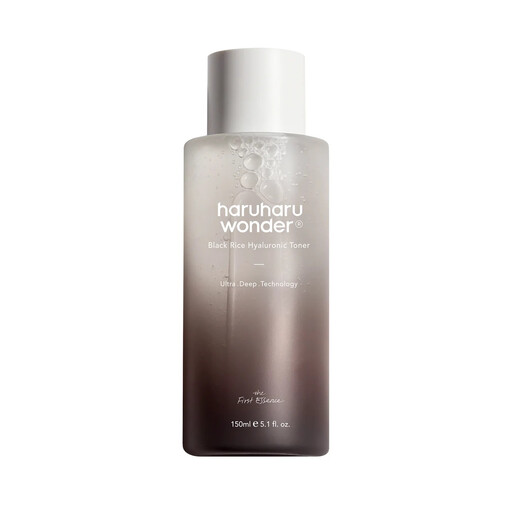
Why This Fits Their Persona: Its lightweight, watery texture is easy to add after cleansing and layer before serum or moisturiser, making it a practical starting point for dry, oily or combination skin.
The ingredient list identifies hyaluronic acid and beta-glucan for hydration, while shoppers should note that it also contains alcohol, lavender oil and linalool.
Fast-absorbing texture; includes fermented black rice extract, glycerine, hyaluronic acid and beta-glucan.
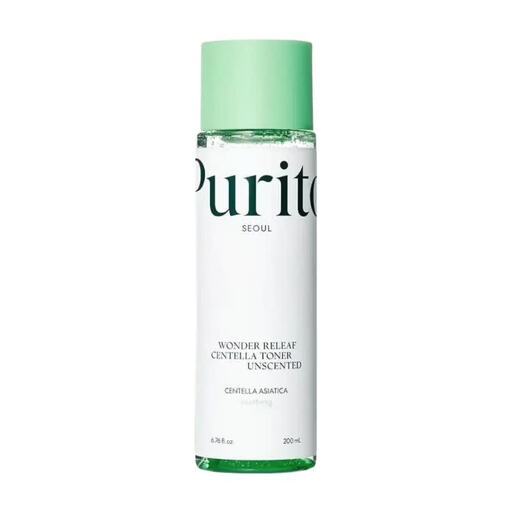
Why This Fits Their Persona: The unscented, watery formula suits shoppers who want a simple morning-and-evening step without added fragrance or essential oils.
It avoids the assumption that a cooling or perfumed sensation indicates performance: the formula is listed as fragrance-free, alcohol-free and essential-oil-free.
Contains centella asiatica, panthenol, allantoin and sodium hyaluronate; 200ml size supports regular use.
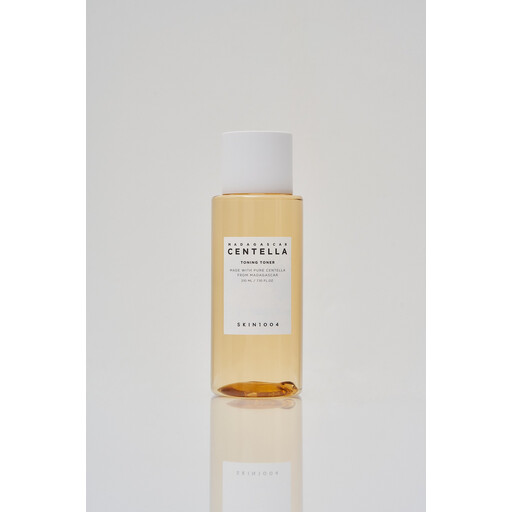
Why This Fits Their Persona: Users wanting hydration and mild daily resurfacing may appreciate the combination of centella, PHA, niacinamide and hyaluronic acid.
PHA provides a clearly identified exfoliating route, so it is easier to distinguish from vague pore-refining language. Reduce frequency if skin feels uncomfortable.
210ml format; includes 84% centella asiatica extract, gluconolactone, niacinamide and hyaluronic acid.
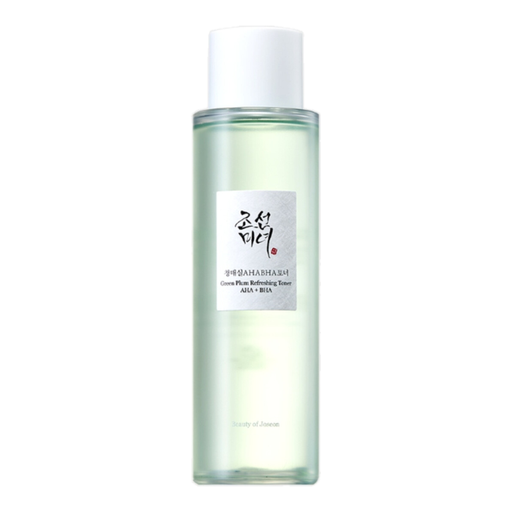
Why This Fits Their Persona: Its AHA and BHA combination is aimed at shoppers concerned with excess oil, visible congestion and uneven surface texture.
The listing specifies 3% glycolic acid and 0.5% salicylic acid, helping buyers understand that this is an exfoliating toner rather than a basic hydrator.
Water-light texture; combines green plum water and mung bean extract with AHA and BHA.
After cleansing, apply a small amount to clean, dry skin using your palms or a cotton pad, depending on the product instructions. Patting usually creates less friction, while wiping may suit a formula designed to remove residual impurities. Follow with serum and moisturiser to help reduce water loss.
For an exfoliating toner, start once or twice weekly rather than automatically using it morning and evening. Do not apply it to damaged skin, avoid the eye area and use sunscreen in the daytime. Stop if persistent redness, burning, swelling or itching develops.
No. It is an optional step. A toner may add hydration, introduce a carefully selected active or make your routine feel more comfortable, but cleanser, moisturiser and daytime sunscreen can form a simpler routine.
Look for a fragrance-free, alcohol-free formula with ingredients such as centella, panthenol, allantoin or hyaluronic acid. Patch test first and avoid starting with a strong exfoliating toner when your skin barrier feels compromised.
A 150ml bottle may last several weeks to a few months, depending on whether it is used once or twice daily and whether you apply it with palms, cotton pads or as a toner mask. Check the packaging for storage and period-after-opening guidance, and keep the bottle away from direct sunlight and heat.