
24/7 全天候客户支持

免费退货

当日/次日达

品质保障

开启新人专享福利: 全场免邮 | 低至 2 折 | 免费试用 30 天 JoyPlus 会员
下载 Joybuy
A Korean facial toner can be a simple hydrating step, a gentle exfoliant or a lightweight essence that prepares skin for serum and moisturiser. The difficulty is knowing which formula suits your routine rather than choosing a product based on attractive packaging or an impressive ingredient percentage.
For UK shoppers, three common purchasing traps are worth avoiding:
Begin with one primary goal rather than trying to address every concern at once.
AHA, such as glycolic acid, works mainly at the skin’s surface and is commonly selected for the appearance of rough texture and dullness. BHA, usually salicylic acid, is oil-soluble and often chosen for oily or congested areas. PHA, such as gluconolactone, is generally used in gentler resurfacing formulas.
Acid strength is only one factor. Check the recommended frequency, whether the formula contains alcohol or essential oils, and whether your skin is already dry or irritated. Apply sunscreen during the day when using exfoliating acids, as the product instructions may advise limiting sun exposure.
Watery toners suit shoppers who prefer quick layering, while milky or ampoule textures may feel more comfortable on dry skin. A 200–300ml bottle can offer more applications than a 150ml option, but only if you will use it consistently.
For UK purchases, check the ingredient list, usage instructions, warnings, batch details and storage guidance on the product packaging. Patch testing is sensible before applying a new formula to the whole face. Avoid applying toner to broken skin, keep it away from the eyes and stop using it if persistent irritation develops.
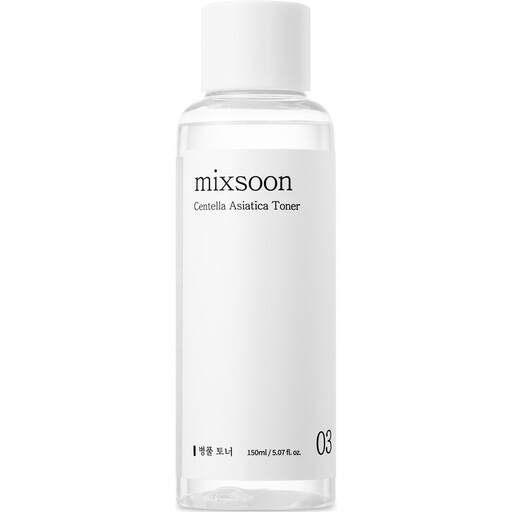
Why This Fits Their Persona: A straightforward daily toner for shoppers building a shorter routine, with a lightweight texture and 150ml size suitable for morning and evening use.
The ingredient list is short, featuring centella asiatica extract rather than a long blend that may be difficult to assess.
Centella asiatica extract; suitable for either patting into skin or wiping with a cotton pad.
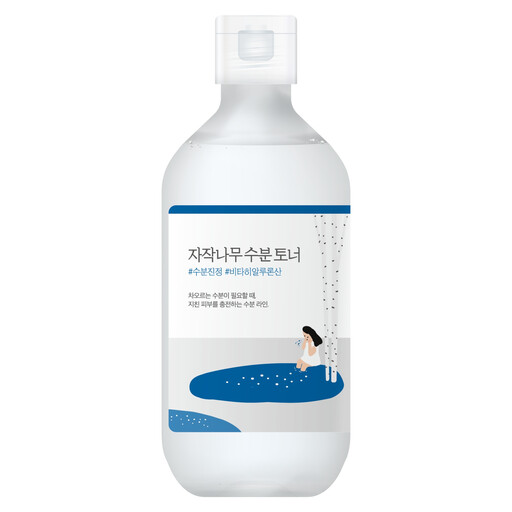
Why This Fits Their Persona: The larger 300ml format suits shoppers who use toner generously or layer it during colder, drier UK weather.
Its fragrance-free formula and clearly listed hydrating ingredients make it easier to compare with sensitive-skin requirements.
Birch juice, panthenol and a hyaluronic acid complex; lightweight ampoule-style texture.
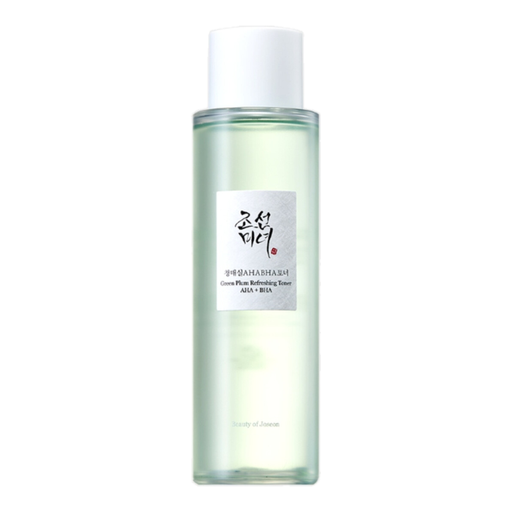
Why This Fits Their Persona: A practical choice for oily or congested skin when the routine needs a dedicated exfoliating toner rather than extra hydration.
The AHA and BHA percentages are stated, allowing more informed comparison than vague “pore-clearing” language.
Contains 3% glycolic acid and 0.5% salicylic acid; water-light texture designed for evening use.
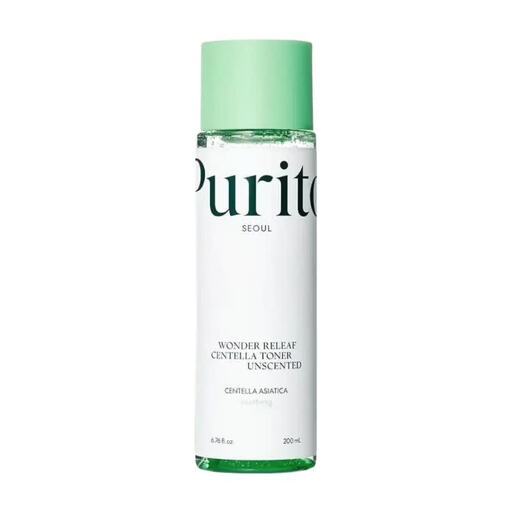
Why This Fits Their Persona: A fragrance-free option for shoppers who want a simple, layerable toner without essential oils or drying alcohol.
The unscented positioning is supported by a formula listed as free from fragrance, alcohol and essential oils.
Centella asiatica, panthenol and sodium hyaluronate; 200ml size suitable for repeated layering.
We have compiled a complete, real-time list of products that fully satisfy these strict selection criteria and UK safety regulations.
After cleansing, apply a moderate amount with clean palms or a cotton pad. Patting is often more comfortable for dry or sensitive skin, while wiping may suit those who prefer a fresh, lightweight finish. Follow with serum and moisturiser to help retain hydration.
Avoid introducing several active products at once. If you choose an exfoliating toner, begin once or twice weekly and adjust only if your skin remains comfortable. Do not combine it immediately with multiple acids or retinoids unless your existing routine is already well tolerated.
No. Toner is an optional skincare step. It can add hydration, provide a soothing layer or deliver carefully selected exfoliating ingredients, but cleanser, moisturiser and daytime sunscreen may be sufficient for a basic routine.
Many hydrating toners are designed for daily morning and evening use. Apply a small amount first, then add another layer if your skin feels comfortable. Check the product directions and discontinue use if irritation occurs.
Usage varies. Applying a small amount with your hands may make a 150ml bottle last several months, while generous cotton-pad application uses more product. Store the bottle away from direct sunlight and check the packaging for shelf-life and batch information.