
24/7 Customer Support

Free returns

Same-day & Next-day Delivery

Quality Guaranteed

Unlock Your Welcome Offers: FREE Delivery | Up to 80% OFF | Free 30-day JoyPlus trial
Download the APP
Searching for Korean food online UK shoppers can choose from Korean snacks, instant ramen, kimchi, frozen meals, sweets and cooking ingredients without visiting a specialist shop. However, product descriptions can make very different items sound similar. Checking the label, storage requirements and portion format helps you spend wisely and choose food that fits your household.
Some listings use phrases such as “Korean-style” or “authentic flavour” without clearly stating where the product was made. If country of origin matters to you, check the product information and packaging. For example, several products in this guide state South Korea as their country of origin, while the Chun Yu Fu cut kimchi is made in China.
Korean frozen food, including dumplings, rice cakes and kimbap, requires freezer storage at -18°C or below. Refrigerated kimchi and ready-to-eat fried chicken have different requirements. An ambient product such as Bibigo Sliced Kimchi Ambient 150g is more convenient for cupboard storage before opening, but the storage instructions still need to be followed after opening.
Do not assume that every Korean food product can be kept in a kitchen cupboard. Check whether the item is ambient, refrigerated or frozen before placing an order.
A Korean food multipack can offer useful value for students, families or regular noodle eaters, but a large box may not suit occasional shoppers. Nongshim Shin Ramyun is available in a five-pack and a 20-pack. The 20-pack contains 2.4kg in total, so it is more suitable for frequent use and requires careful checking of the best-before information.
For shoppers seeking authentic Korean food, look for a clearly stated country of origin and a complete product description. Products made in South Korea include:
The format also affects preparation. Some Korean snacks are ready to eat, while frozen dumplings, rice cakes and kimbap require thorough cooking or heating.
UK food labels should identify relevant allergens, but always read the individual product listing and packaging. Common allergens in Korean food include wheat, gluten, soy, sesame, milk, fish, crustaceans, eggs and nuts.
Plant-based does not automatically mean allergen-free. Hanss Kimbap with Bulgogi uses plant-based Korean BBQ but contains soy, wheat and sesame. EastEco Kimbap Mushroom Japchae is also plant-based, but contains soy, wheat and sesame. Those following a vegetarian or vegan diet should check the full ingredients and preparation details rather than relying only on the front-of-pack description.
Spice descriptions vary between products. Mild Jin Ramen is described as suitable for a mild, balanced flavour profile, while Buldak Carbonara and Shin Ramyun Toomba are positioned for shoppers who enjoy a stronger chilli taste.
Also check preparation style:
These details help avoid buying a product that does not match your cooking routine.

Why This Fits Their Persona: A five-serving multipack gives students, couples and first-time buyers a manageable way to try Korean noodles without committing to a large box.
The mild flavour profile avoids the common mistake of selecting an extremely spicy Korean instant ramen when a gentler introduction is preferred.
Includes five 120g portions, soup powder and dehydrated vegetables; store in a cool, dry place.

Why This Fits Their Persona: Suitable for shoppers who want a small portion of Korean kimchi for rice bowls, ramen, stir-fries or serving alongside meals.
The 150g format reduces the risk of buying a large jar before knowing how much kimchi your household uses.
Made in South Korea; sliced format; ambient storage before opening; contains soy.
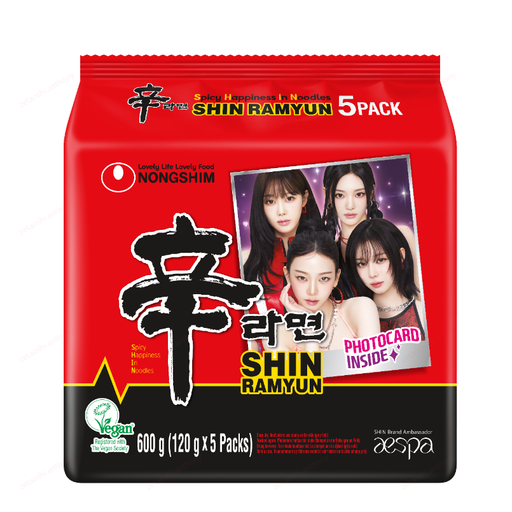
Why This Fits Their Persona: A practical option for families, shared student kitchens and regular Korean noodle shoppers who want several individual servings.
The five-pack offers a more measured stocking format than a 20-pack, making best-before dates easier to manage for smaller households.
Five 120g servings; preparation takes around four to five minutes; contains wheat and soy.
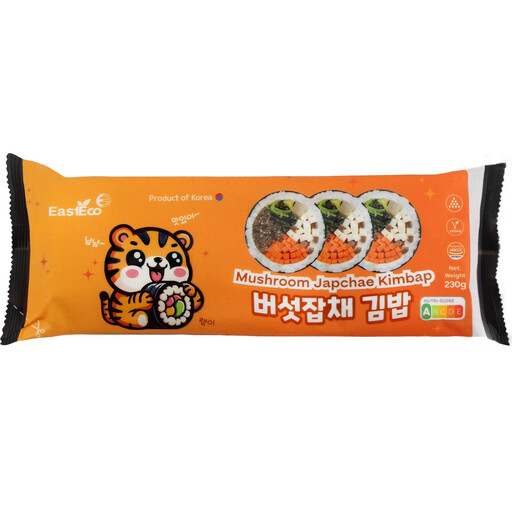
Why This Fits Their Persona: Designed for vegetarian or plant-based shoppers wanting a frozen Korean meal that can be heated for lunch, dinner or a substantial snack.
The ingredient list identifies mushroom, japchae glass noodles, vegetables and seaweed rather than relying only on a plant-based front label.
Made in South Korea; contains king oyster mushroom and seasoned rice; keep frozen and cook thoroughly before eating.
We have compiled a complete, real-time list of products that fully satisfy these strict selection criteria and UK safety regulations.
Once you have checked storage and allergens, you can build a varied order from the wider range:
You can browse Korean food online through specialist grocery collections such as Joybuy’s Korean range. Compare country of origin, storage type, allergens, portion size and delivery suitability before ordering.
Move frozen products to a freezer at -18°C or below as soon as possible. Do not refreeze food after it has thawed unless the packaging specifically permits it. Follow the product label for cooking and post-opening instructions.
Mild Jin Ramen is a practical starting point for shoppers who prefer a less intense flavour. Those seeking more heat can compare Shin Ramyun, Buldak Carbonara or Shin Ramyun Toomba, while checking the allergen and preparation information first.