
24/7 Customer Support

Free returns

Same-day & Next-day Delivery

Quality Guaranteed

Unlock Your Welcome Offers: FREE Delivery | Up to 80% OFF | Free 30-day JoyPlus trial
Download the APP
Finding the right Korean gochujang chilli paste can be surprisingly difficult. Product names often use “gochujang sauce”, “Korean chilli sauce” and “red pepper paste” interchangeably, even though the texture, sweetness, heat and intended use may differ.
A small tub may suit occasional bibimbap, while a large catering pack can offer better value for regular cooking but create unnecessary waste if it is not stored correctly. Marketing language can also obscure important details such as allergens, country of origin and whether a product is a traditional fermented paste or a ready-to-use fusion sauce.
This guide highlights the practical checks that matter before buying.
Traditional or traditional-style gochujang is a thick, concentrated paste used in cooking. It usually contributes chilli heat, sweetness, salt and fermented umami, but often needs thinning with ingredients such as water, sesame oil, vinegar or soy sauce.
By contrast, products such as Korean chilli sauce, gochujang ketchup or sriracha-gochujang blends are designed to be drizzled, dipped or poured directly. They may contain vinegar, tomato, mayonnaise or additional sugar. Neither format is automatically more suitable; the right choice depends on whether you want a cooking ingredient or a table sauce.
A product may be made in Korea yet still contain wheat, soya, barley, mustard or sesame. Fermented Korean chilli paste commonly includes soybean-based ingredients and cereal ingredients, so always read the UK ingredient and allergen information.
Some products are labelled halal, vegan or vegetarian, but this status should be checked on the individual product listing and packaging. Do not rely solely on the appearance or name of the paste.
A 100g or 170g tub may be sensible for first-time buyers, shared accommodation or occasional cooking. Larger 500g or 1kg packs can be more practical for frequent use, Korean barbecue, food-service preparation or batch cooking. However, opened paste generally needs refrigeration, and storage instructions vary by product.
Compare price per 100g, expected usage and the available fridge space rather than choosing solely by the shelf price.
Look for a clear ingredient list that identifies chilli powder or red pepper powder alongside rice, soybean or fermented soybean ingredients. A fermented Korean chilli paste generally has a dense texture and layered sweet-savoury flavour, making it suitable for:
The percentage of chilli powder can help with comparisons, but it does not independently define heat level. Sugar, syrup, vinegar and other seasonings also affect the final taste. If you prefer a sharper, pourable condiment, a gochujang-sriracha blend may be more convenient than a thick paste.
Tubs are useful for spooning measured amounts into recipes, while tubes or bottles can make portioning easier and reduce contact with utensils. Check the net quantity carefully: a 300g tube, 500g tub, 1kg container and a 12-pack of 170g tubs serve very different shopping needs.
For home cooks trying an unfamiliar flavour, a smaller pack limits waste. For restaurants, meal-prep users and households making Korean food several times a week, bulk packs can reduce repeat purchases.
For UK shoppers, allergen information is a non-negotiable check. Look for highlighted ingredients such as wheat, gluten, soya, barley, mustard and sesame. Products described as vegan may still contain soya, and “plant-based” does not automatically mean allergen-free.
Nutrition panels can also reveal differences between products. Several listed pastes contain approximately 5–11g of salt per 100g, while sugar levels vary considerably. This condiment is usually used in small amounts, so consider how much you add to the overall recipe.
After opening, follow the packaging instructions. Many products require refrigeration and use within a stated period. Use a clean, dry utensil for tubs, keep lids tightly closed and do not use a product if the seal is damaged or it develops an unusual odour or mould.
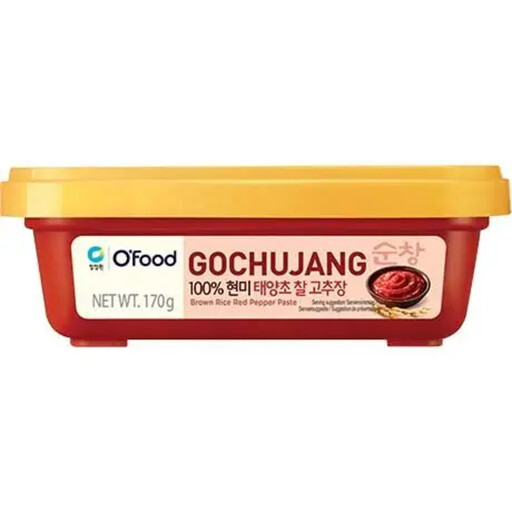
Why This Fits Their Persona: The 170g size is a manageable starting point for UK home cooks who want to try Korean chilli paste without committing to a large container.
The smaller pack helps reduce waste compared with buying a bulk tub before knowing how often you will use it.
Ready-to-use fermented-style paste in a compact tub; the listing identifies wheat and soya allergens.
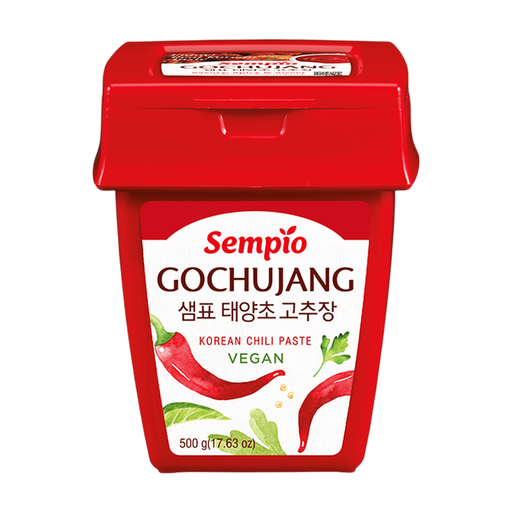
Why This Fits Their Persona: A 500g Korean-made option suits cooks who want a substantial pantry ingredient for bibimbap, marinades, soups and dipping sauces.
The listing clearly identifies the country of origin, pack size and allergen information, making comparison easier than relying on front-label wording alone.
Made in South Korea; listed as vegan and halal; suitable for both cooking and sauce preparation.

Why This Fits Their Persona: The pack contains 12 individual 170g tubs, making it relevant to frequent home cooks, small food businesses and food-service buyers.
Individual tubs allow unopened portions to remain stored while one container is used, rather than repeatedly opening one large tub.
12 x 170g format, totalling 2.04kg; made in Korea and suitable for tteokbokki, bibimbap, marinades and stews.
We have compiled a complete, real-time list of products that fully satisfy these strict selection criteria and UK safety regulations.
For a quick bibimbap sauce, mix gochujang with sesame oil, rice vinegar and a small amount of sugar or syrup. For tteokbokki sauce, combine it with stock, garlic and other seasonings before simmering with rice cakes.
A gochujang marinade can be made with soy sauce, garlic, ginger, sesame oil and a sweetener. Use it for tofu, chicken or vegetables, checking the finished dish carefully because the paste already contains salt.
You can also stir a spoonful into noodles, fried rice, soups or roasted vegetables. For a milder dip, blend a small amount with mayonnaise or yoghurt, while remembering to check dairy, egg and allergen requirements.
Not always. Gochujang paste is usually thicker and more concentrated, while gochujang sauce may be diluted or blended with vinegar, sriracha, tomato, mayonnaise or other ingredients. Check the consistency and ingredient list for the intended use.
There is no single period for every product. Follow the storage and use-by guidance on the packaging. Many products should be refrigerated after opening, tightly sealed and used within a stated period. Always discard paste with unusual mould or odour.
Some products are labelled vegan or halal, but many contain soya and some contain wheat or barley. A dietary suitability decision should be based on the current product label, certification information and allergen statement rather than the term “authentic” alone.