
24/7 Customer Support

Free returns

Same-day & Next-day Delivery

Quality Guaranteed

Unlock Your Welcome Offers: FREE Delivery | Up to 80% OFF | Free 30-day JoyPlus trial
Download the APP
Buying Korean gochujang chilli paste can be surprisingly confusing. Tubes, jars and bottles may all use terms such as “authentic gochujang”, “Korean chilli sauce” or “fermented Korean chilli paste”, yet they are not always interchangeable. Some are concentrated cooking pastes, while others are ready-to-use sauces blended with tomato, vinegar or additional seasoning.
The right choice depends on how often you cook, the dishes you prepare and the dietary information you need to check. This guide explains the common buying traps, the practical specifications worth comparing and a selection of products for different UK kitchens.
Traditional-style gochujang is a thick, concentrated red pepper paste typically used in small quantities. It can form the base of bibimbap sauce, tteokbokki sauce, stews and marinades.
A gochujang-based sauce, such as a ketchup or sriracha blend, is usually thinner and ready to drizzle or dip. It may be more convenient for burgers, noodles, dumplings and chips, but it will not necessarily provide the same texture or concentration in a Korean recipe.
Many gochujang products contain soya, wheat or other cereals containing gluten. Some also contain alcohol, sesame or mustard. “Korean-style” and “authentic” are descriptive terms, not substitutes for checking the full ingredient list.
Those seeking vegan gochujang or halal gochujang should verify the product label and certification information. Even when a listing identifies a product as vegan or halal, packaging should be checked before consumption because formulations and labelling can change.
A gochujang 500g tub may offer a practical quantity for regular cooking, while a 1kg pack can suit frequent home cooks, caterers or food-service kitchens. However, opened gochujang generally needs refrigeration and should be used within the period stated on the packaging.
For occasional use, a 100g, 135g, 170g or 300g pack can reduce the chance of leaving an opened paste unused for too long.
Check whether the product is labelled as a paste, seasoned paste, ketchup or sauce.
For Korean BBQ marinade, combine original paste with ingredients such as soy sauce, garlic, sesame oil and a little sugar. For a quick bibimbap sauce, a seasoned product may save preparation time.
Look for red chilli powder, rice or glutinous rice, fermented soybean ingredients and salt, while remembering that recipes vary considerably. Compare the chilli percentage, sugar content and salt information if you want to control how much heat or sweetness you add to a dish.
In the UK, allergens must be clearly emphasised on food labels. Common ingredients in these products include:
Do not rely solely on front-of-pack claims. Read the current packaging, especially if you have an allergy or follow a specific dietary plan.
Choose the quantity according to your cooking routine:
Store unopened products according to the label. After opening, refrigerate when instructed, use clean utensils and do not use the product if you notice unusual mould, an off-odour or damaged packaging.
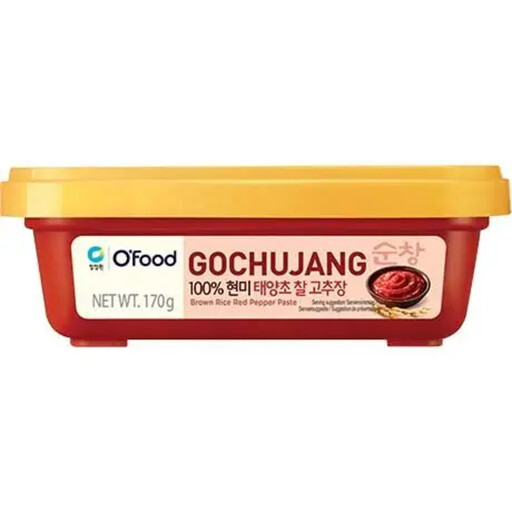
Why This Fits Their Persona: The 170g tub is a manageable starting quantity for UK shoppers trying bibimbap, tteokbokki or Korean BBQ recipes without committing to a large container. The listing identifies it as halal.
It is an original paste rather than a sweeter ketchup-style sauce, helping beginners learn how to adjust heat, sweetness and dilution themselves.
Compact 170g format; listed with wheat and soya allergen information for straightforward label checking.
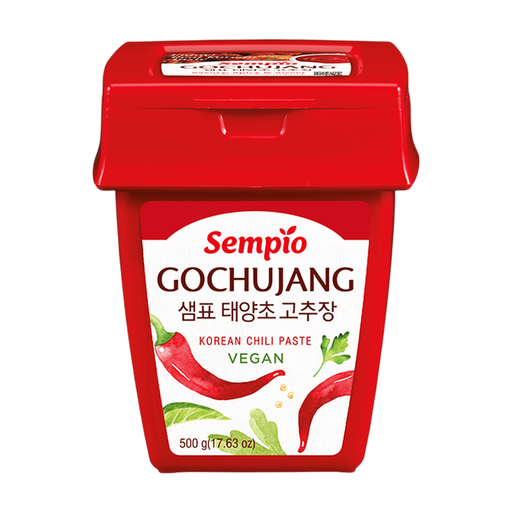
Why This Fits Their Persona: A 500g format suits cooks who regularly prepare Korean dishes and want a substantial pantry staple for marinades, stews and dipping sauces.
The listing provides detailed ingredient, allergen and nutrition information, rather than relying only on broad authenticity wording.
Made in South Korea; listed as certified vegan and halal, with wheat and soya allergens clearly identified.
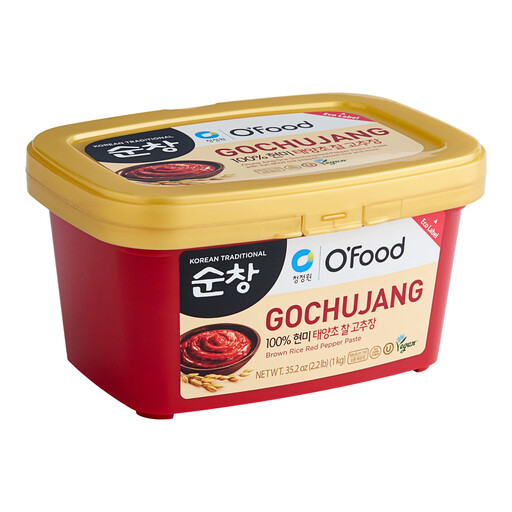
Why This Fits Their Persona: The 1kg pack is designed for frequent home cooking, professional kitchens and food-service buyers preparing sauces, stir-fries and marinades at volume.
The larger size makes sense when gochujang is used repeatedly, avoiding the poor value of buying several small packs for regular service.
1kg quantity; product description identifies a smooth, concentrated texture and fermented ingredients.
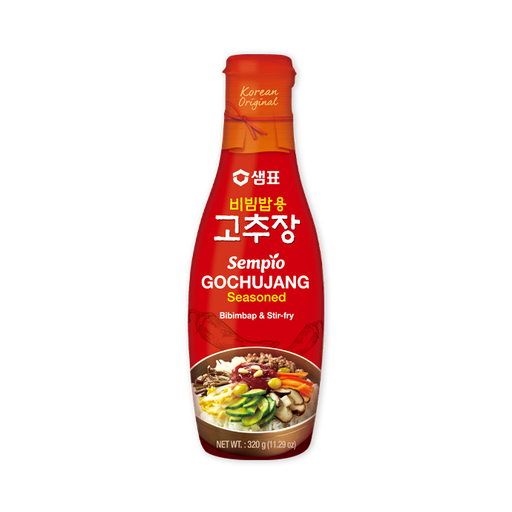
Why This Fits Their Persona: This ready-to-use seasoned paste is suited to beginners who want a quick sauce for rice bowls, vegetables and stir-fries without measuring several additional ingredients.
It is clearly positioned as a seasoned condiment, reducing the risk of expecting an unseasoned base paste that needs extensive adjustment.
100g trial-friendly size; ready to eat and specifically described for bibimbap and stir-fries.
We have compiled a complete, real-time list of products that fully satisfy these strict selection criteria and UK safety regulations.
Heat varies by recipe and product. Gochujang usually combines chilli heat with sweetness, salt and fermented savoury notes. Start with a small spoonful, then dilute with water, stock, sesame oil or other sauce ingredients. A gochujang ketchup or blended sauce may taste sweeter and less concentrated than an original paste.
Follow the product label. Many products advise refrigeration after opening, with a clean utensil used for each serving. Keep the lid tightly closed and check the recommended consumption period. Do not use the paste if it develops an unusual smell, visible mould or signs of contamination.
Yes. Original paste can be mixed with ingredients such as sesame oil, soy sauce, vinegar or sugar to create a bibimbap sauce. For tteokbokki, it is commonly combined with stock, rice cakes and other seasonings. A seasoned gochujang product can shorten preparation time, while a concentrated paste gives you more control over the final flavour.