
24/7 Customer Support

Free returns

Same-day & Next-day Delivery

Quality Guaranteed

Unlock Your Welcome Offers: FREE Delivery | Up to 80% OFF | Free 30-day JoyPlus trial
Download the APP
Korean and Japanese face masks can make a skincare routine feel more focused, but attractive packaging and long ingredient lists do not automatically mean a product suits your skin. The sensible choice depends on the formula, wear time, format and your particular concern.
Whether you want a hydrating face mask, brightening face mask or support for a dry-looking skin barrier, watch for these common buying traps.
A saturated sheet can feel luxurious, but hydration depends on the formula and what you apply afterwards. Humectants such as glycerine, betaine, hyaluronic acid and sodium hyaluronate attract water, while creams and lotions help reduce moisture loss. A mask alone may leave skin feeling temporarily comfortable without replacing your usual moisturiser.
A vitamin C face mask, rice and honey face mask or niacinamide formula may make skin look fresher after use, mainly because the skin surface is moisturised. It should not be treated as a guaranteed solution for pigmentation or dark marks. Check the ingredient list and use daytime sunscreen as part of a consistent routine.
A sheet face mask designed for five to 15 minutes is not interchangeable with an overnight hydrogel mask. Leaving a sheet on until it dries may feel tight and can make the routine less comfortable. Wash-off masks also require careful timing; products containing clay or exfoliating particles should not be allowed to dry completely unless the packaging specifically says otherwise.
For dry or dehydrated skin, look for hyaluronic acid, glycerine, panthenol, betaine and ceramides. A ceramide mask may be worth considering when your routine is focused on maintaining the skin barrier, although it should complement—not replace—a suitable moisturiser.
For dull-looking skin, formulas may contain niacinamide, vitamin C derivatives, rice extract or yuja. Derivatives such as sodium ascorbyl phosphate and ascorbyl glucoside are different from pure ascorbic acid, so compare the actual INCI list rather than relying only on the front label.
For surface texture, a rice and honey face mask may include powder or clay. Use gentle pressure when rinsing and avoid combining it with several other exfoliating products in the same session.
A thin cellulose sheet can sit closely against the face and is usually convenient for a short treatment. A hydrogel face mask tends to feel denser and can remain in place for longer, but it may be less practical if you need to move around.
Three-dimensional Japanese masks, such as the Hadabisei range, are shaped to cover areas around the nose, jaw and chin. Fit matters because gaps can allow essence to dry sooner and make application less even.
UK shoppers should check the packaging for the full ingredient list, responsible product information, usage instructions, batch details and relevant warnings. Cosmetic products should be used only as directed. Patch testing is a sensible precaution, particularly for sensitive skin or when trying vitamin C, fragrance, botanical extracts or exfoliating ingredients.
Do not apply a mask to broken, sunburnt or visibly irritated skin. Stop using it if persistent redness, swelling, burning or itching develops, and seek appropriate medical advice if symptoms continue.
The following options are organised by shopping profile rather than ranked. Product suitability can vary, so review the current packaging and ingredients before purchase.
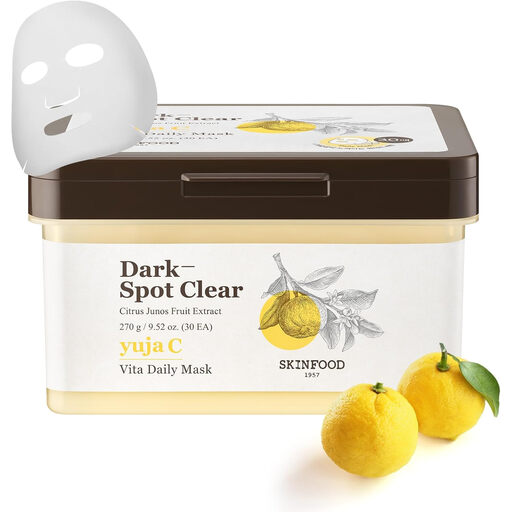
Why This Fits Their Persona: A large Korean sheet-mask tub is convenient for shoppers building a regular routine and wanting a short five-to-10-minute application.
Its stated wear time is short, helping avoid the mistake of leaving a sheet on until it becomes dry. The tub also includes a freshness film and mini tweezers.
Contains yuja extract, niacinamide and sodium ascorbyl phosphate in a plant-derived cellulose sheet.
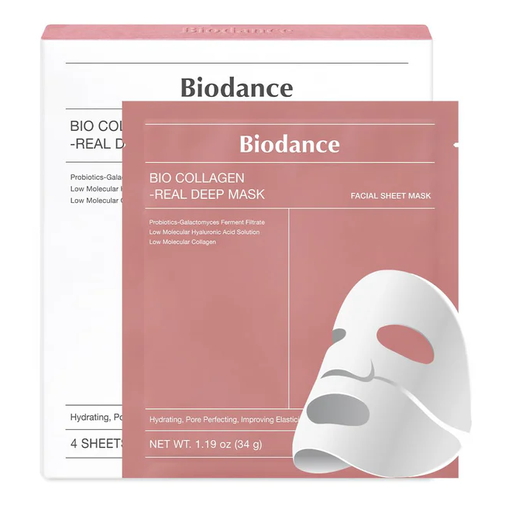
Why This Fits Their Persona: Suits shoppers who prefer a longer, planned treatment for dry, dehydrated or mature-looking skin rather than a quick pre-work routine.
The instructions specify daytime wear for three to four hours or overnight use, unlike a conventional short-wear sheet. Follow the label rather than extending other masks.
A hydrogel format with collagen extract, hydrolysed hyaluronic acid, glycerine and probiotic ferments.
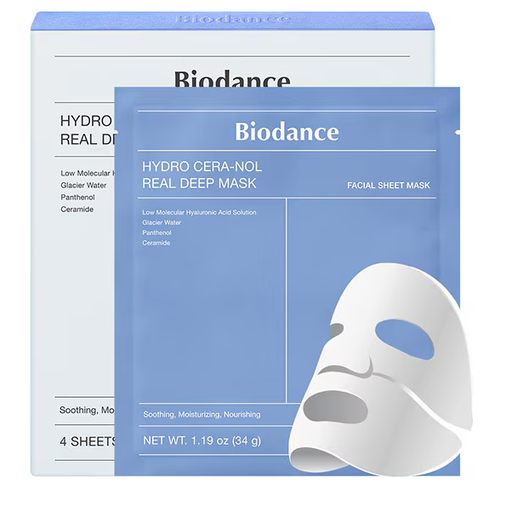
Why This Fits Their Persona: A practical choice for people whose routine prioritises moisture-barrier ingredients and a snug hydrogel fit.
The formula lists panthenol, allantoin and several ceramides, making the ingredient profile clearer than relying on vague “repair” wording.
Includes a five-ceramide complex, hyaluronic acid forms, panthenol and a hydrogel texture.
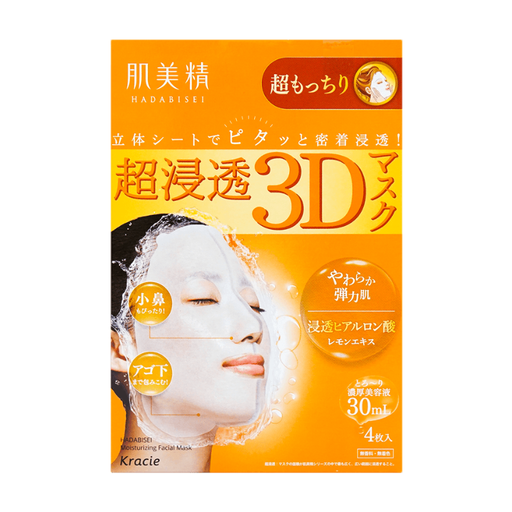
Why This Fits Their Persona: Suitable for shoppers wanting a Japanese 3D sheet mask for a weekly hydration-focused self-care routine.
The listed instructions give a 10-to-20-minute wear window, so you can plan the treatment without assuming longer wear gives better value.
Uses sodium hyaluronate, glycerine and a three-dimensional facial design intended to follow facial contours.
A wash-off option such as the Beauty of Joseon Ground Rice and Honey Glow Mask may suit people who prefer a once- or twice-weekly ritual. Its listed ingredients include rice hull powder, honey, kaolin and rice extracts. Apply it to dry skin, keep within the recommended five-to-10-minute period and rinse before it dries fully.
We have compiled a complete, real-time list of products that fully satisfy these strict selection criteria and UK safety regulations.
Look for a hydrating face mask containing ingredients such as glycerine, panthenol, betaine, hyaluronic acid or ceramides. A hydrogel mask can offer a close fit, while a sheet mask is often more convenient for shorter sessions. Always seal the routine with moisturiser.
Follow the product instructions. A conventional hydrating sheet mask may be used more frequently if your skin tolerates it, while a clay or rice-powder wash-off mask is generally better kept to occasional use. Reduce frequency if your skin feels tight, stings or becomes visibly irritated.
Yes. Check the packaging for the period-after-opening symbol, expiry information or batch details where supplied. Store masks away from direct sunlight and excessive heat, and keep tubs tightly closed to reduce the risk of drying out.