
24/7 Customer Support

Free returns

Same-day & Next-day Delivery

Quality Guaranteed

Unlock Your Welcome Offers: FREE Delivery | Up to 80% OFF | Free 30-day JoyPlus trial
Download the APP
Korean kimchi ramen noodles can be a convenient cupboard staple for students, busy professionals and anyone who enjoys spicy Korean cuisine. However, packaging can make similar products look interchangeable when they differ significantly in format, serving size, preparation method, salt content and allergen information.
Before buying a multipack or cup, watch for three common pitfalls:
Instant kimchi noodles generally come in three formats:
The preparation instructions are not interchangeable. For example, Nongshim Kimchi Ramyun is cooked in water for approximately four minutes, whereas NONGSHIM Shin Kimchi Stir-Fry Instant Noodles require draining before the seasoning paste is added. Following the stated method helps maintain the intended texture and avoids an overly watery or concentrated result.
A single 98g cup, a 112g bowl and a 120g bag can suit different appetites. A larger noodle weight may be more appropriate as a standalone lunch, while a smaller cup can work as a snack or light meal.
For regular consumption, a kimchi noodle multipack can reduce the need for repeat orders and make portion planning easier. The NongShim Kimchi Ramyun 5 Packs contain five 120g servings, while the larger 20-pack listing is designed for households, shared accommodation or workplace storage. Check the total weight and number of individual servings before comparing prices.
Many Korean instant noodles contain wheat and soy, and some also list mustard, sesame, fish, crustaceans, milk or other possible traces. Nongshim Kimchi Ramyun lists wheat, soy and mustard, with possible traces of several additional allergens. Nongshim’s 75g cup also lists shrimp and anchovy ingredients, so it may not suit consumers avoiding seafood.
Salt levels vary between products. The supplied product information lists 4.5g salt per 100g for Nongshim Kimchi Ramyun, 2.9g per 100g for the Shin Kimchi Stir-Fry version and 8.5g per 100g for bibigo Extra Spicy Kimchi Ramyun. These figures are not recommendations; they are useful comparison points. Always check the latest UK packaging, ingredient list and nutrition panel before purchase, especially if you have an allergy or dietary requirement.
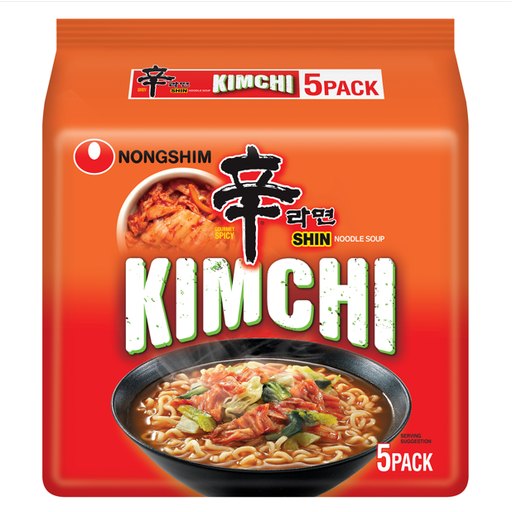
Why This Fits Their Persona: Five individual 120g packets provide a practical starting point for students, flat-sharers and shoppers building a Korean instant noodles cupboard.
The bag format clearly signals a soup-style preparation, helping avoid the mistake of treating a broth product like stir-fry noodles.
Five servings; includes kimchi cabbage flakes, pak choi, carrot and green onion; cooks in about four minutes.
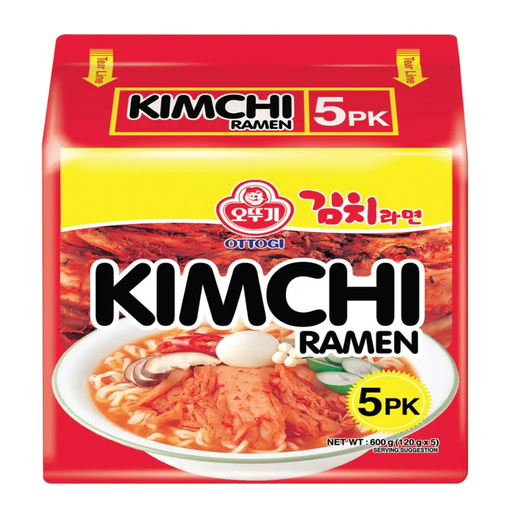
Why This Fits Their Persona: This multipack suits shoppers looking for a traditional-style spicy kimchi soup with dehydrated kimchi pieces and a substantial 120g serving.
The listing identifies both kimchi seasoning and dehydrated kimchi, giving more detail than packaging that only describes a generic spicy flavour.
Five 120g servings; soup format; cooking time of approximately four to five minutes.
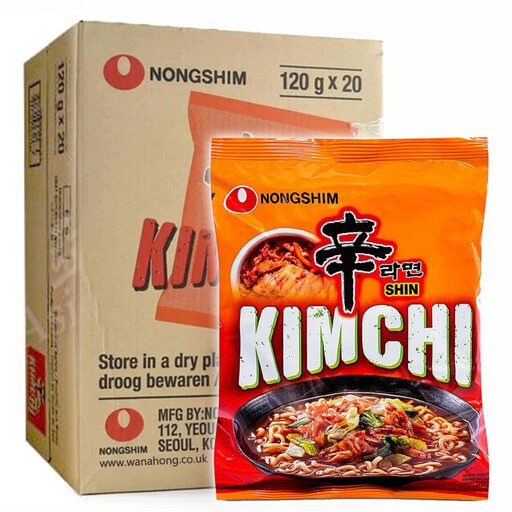
Why This Fits Their Persona: A 20-pack is suited to frequent Korean food shoppers, larger households, office cupboards and planned pantry storage.
The listing states the exact 20 x 120g quantity, making it easier to assess storage needs and cost per serving.
Large household pack; 120g individual bags; soup preparation designed for quick cooking.
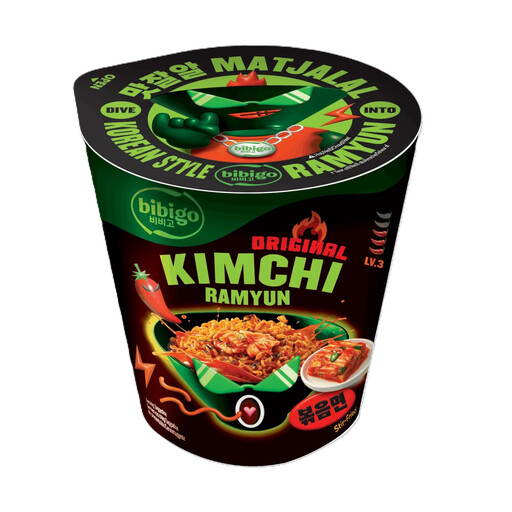
Why This Fits Their Persona: The cup format works for office lunches, travel or student accommodation where a hob and saucepan may not be available.
The instructions specify an internal fill line, a 4½-minute standing time and draining through the lid, rather than relying on guesswork.
98g cup; includes kimchi sauce and vegetable topping; no saucepan required.
We have compiled a complete, real-time list of products that fully satisfy these strict selection criteria and UK safety regulations.
Follow the packet instructions. Soup-style Korean spicy noodles commonly require boiling with around 500–550ml of water for four to five minutes. Stir-fry versions are boiled first, drained and then mixed with sauce. Cup noodles usually need boiling water up to the marked line and several minutes of standing time.
Check the best-before date printed on the packaging and store unopened products in a cool, dry place away from direct sunlight. After opening an individual packet, prepare it promptly. Prepared noodles should be eaten immediately rather than stored for later.